
India Eyes Significant Boost in Fertiliser Production with LPG and LNG Conversion
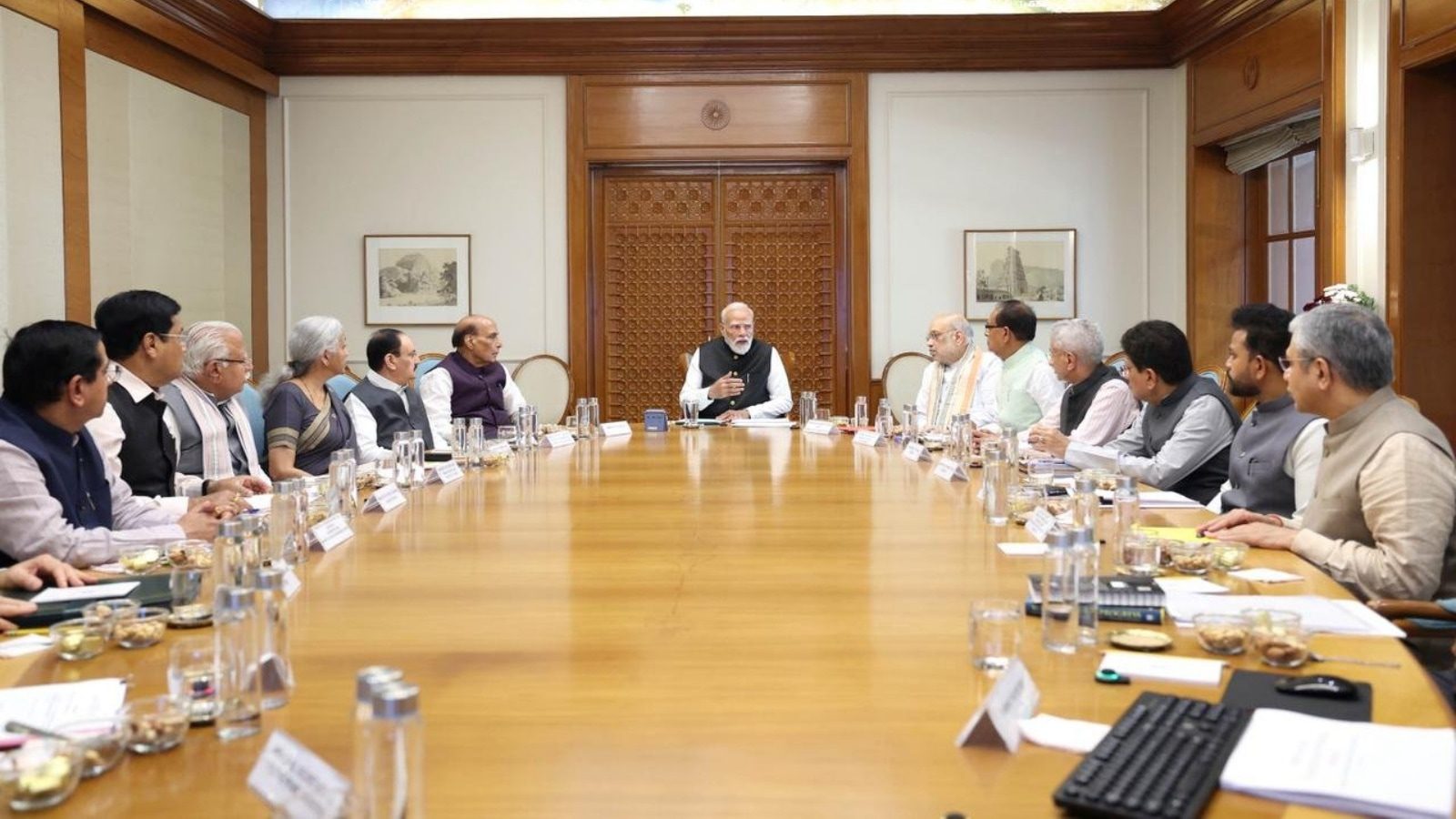
In a recent development, the Cabinet Committee on Security (CCS) has been briefed on a crucial initiative to convert LPG and LNG into fertilisers, as announced by Prime Minister Narendra Modi. This move is expected to bolster India’s fertiliser production capabilities, reducing reliance on imports and enhancing energy security. The Prime Minister has directed officials to take all necessary steps to implement this project, which could have far-reaching implications for the country’s agricultural sector and economy.
The conversion of LPG and LNG into fertilisers is a complex process that requires significant investment in infrastructure and technology. However, the potential benefits are substantial, as it could increase India’s fertiliser production capacity and reduce its dependence on imported fertilisers. The project is also expected to generate employment opportunities and stimulate economic growth in the regions where the facilities are established.
The initiative is part of the government’s broader strategy to promote energy self-sufficiency and reduce the country’s vulnerability to global price fluctuations. By leveraging its domestic resources and investing in cutting-edge technologies, India aims to become a major player in the global fertiliser market. The project’s success will depend on the effective coordination of government agencies, private sector companies, and other stakeholders involved in the fertiliser industry.
Prime Minister Modi’s directive to take all necessary steps to implement the project underscores the government’s commitment to this initiative. The CCS briefing is a significant development, as it indicates that the project has gained momentum and is moving forward. The government is expected to provide more details on the project’s timeline, investment requirements, and implementation plans in the coming days.
The fertiliser industry is a critical component of India’s agricultural sector, which accounts for a significant proportion of the country’s GDP. The government’s efforts to boost fertiliser production and reduce imports are likely to have a positive impact on farmers and the broader economy. As the project progresses, it will be important to monitor its progress and assess its impact on the fertiliser industry and the country’s energy security.
The use of LPG and LNG as feedstocks for fertiliser production is a common practice in many countries. However, India’s initiative is notable for its scale and ambition. The project’s success will depend on the government’s ability to create a favourable business environment, attract investment, and promote collaboration among stakeholders. If successful, the project could serve as a model for other countries seeking to enhance their energy security and promote sustainable agriculture practices.
As the project moves forward, it is likely to attract significant attention from the media, industry stakeholders, and the general public. The government’s commitment to transparency and accountability will be crucial in ensuring that the project is implemented efficiently and effectively. With its potential to transform India’s fertiliser industry and enhance energy security, this initiative is an important development that warrants close monitoring and analysis.
This article may be prepared with the assistance of artificial intelligence (AI) and is reviewed before publication. While we aim for accuracy and timeliness, readers should verify important facts from official or primary sources. If you believe any information is inaccurate or that any content infringes your rights, please contact ainewsbreaking.com for review and appropriate action.