India Seeks to Navigate Turbulent Waters: EAM Jaishankar Engages with Iranian Counterpart Amidst Regional Tensions
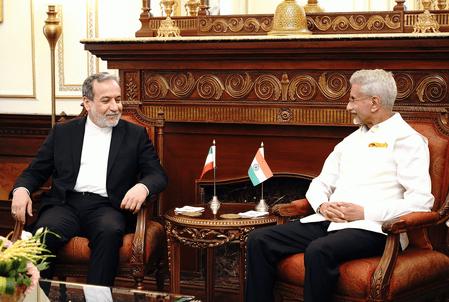
As the geopolitical landscape of West Asia continues to simmer, Indian External Affairs Minister (EAM) S. Jaishankar has held a series of high-level discussions with his Iranian counterpart, Seyyed Abbas Araghchi. The latest phone call, marking their fourth conversation since the onset of the regional conflict, underscores India’s concerted efforts to secure the safe passage of its merchant vessels through the critical Strait of Hormuz. This strategic shipping route, which connects the Persian Gulf to the Gulf of Oman, has been partially blocked by Tehran, posing significant challenges to international maritime trade.
The EAM’s proactive engagement with Iranian officials is a testament to India’s commitment to navigating the treacherous waters of West Asian geopolitics. With a significant proportion of India’s crude oil imports transiting through the Strait of Hormuz, the country’s economic interests are inextricably linked to the stability of this vital waterway. The partial blockade imposed by Tehran has raised concerns among Indian policymakers, who are keen to ensure that the country’s energy security is not compromised.
The phone call between Jaishankar and Araghchi is seen as a crucial step in addressing these concerns. The two diplomats reportedly discussed a range of issues, including the safety of Indian-flagged vessels and the implementation of measures to prevent any potential escalation of tensions in the region. India’s External Affairs Ministry has been working closely with its Iranian counterparts to establish a framework for the safe passage of Indian ships, highlighting the importance of diplomatic channels in resolving complex geopolitical issues.
The current tensions in West Asia have far-reaching implications for global energy markets, with the Strait of Hormuz serving as a critical chokepoint for international oil trade. The US-Iran tensions, in particular, have contributed to a heightened sense of unease among nations that rely heavily on this shipping route. India, as a major importer of crude oil, is acutely aware of the potential risks associated with disruptions to the global energy supply chain. In this context, the EAM’s conversation with Araghchi assumes significant importance, as it underscores India’s commitment to maintaining open lines of communication with all stakeholders in the region.
As the regional conflict continues to unfold, India’s diplomatic efforts are likely to face significant challenges. The country must balance its relationships with multiple stakeholders, including the US, Iran, and other regional players, to protect its interests and maintain regional stability. The EAM’s phone call with Araghchi is a step in the right direction, as it demonstrates India’s willingness to engage with all parties and work towards a peaceful resolution of the conflict. However, the road ahead will be fraught with challenges, and India’s diplomats will need to navigate the complex web of alliances and rivalries in West Asia with caution and finesse.
In the midst of these regional tensions, the Indian government has also been working to diversify its energy imports, exploring alternative sources of crude oil and natural gas to reduce its dependence on the Strait of Hormuz. This strategic move is aimed at mitigating the risks associated with disruptions to the global energy supply chain and ensuring that India’s economic growth is not hindered by geopolitical uncertainties. As the situation in West Asia continues to evolve, India’s diplomatic and economic strategies will be closely watched, with the country’s ability to navigate these turbulent waters likely to have significant implications for its long-term energy security and economic prospects.
This article may be prepared with the assistance of artificial intelligence (AI) and is reviewed before publication. While we aim for accuracy and timeliness, readers should verify important facts from official or primary sources. If you believe any information is inaccurate or that any content infringes your rights, please contact ainewsbreaking.com for review and appropriate action.