Indian Government Moves Forward on Landmark Reforms with Progress on Uniform Civil Code and Simultaneous Elections
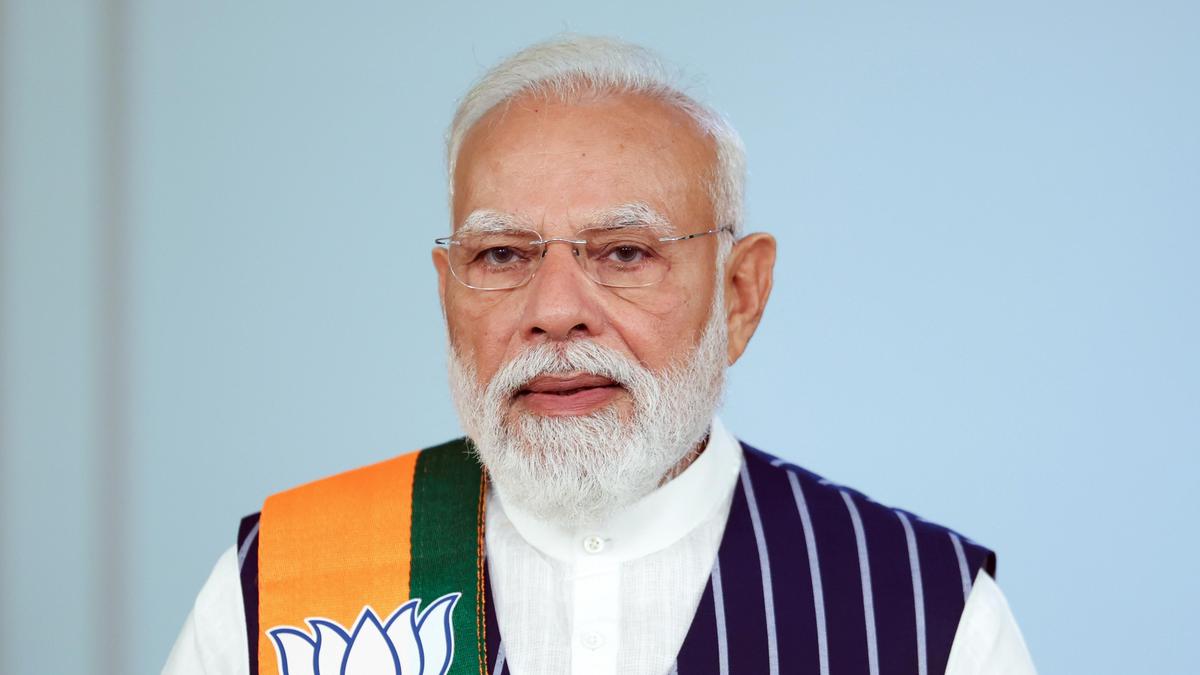
In a recent statement, Indian Prime Minister Narendra Modi announced that the government is making headway on two significant initiatives: the implementation of a Uniform Civil Code and the concept of “One Nation, One Election”. According to PM Modi, constructive discussions are currently underway on both fronts, with the country moving in a positive direction towards their realization.
The Uniform Civil Code aims to establish a single set of laws governing personal matters, such as marriage, inheritance, and divorce, which would apply uniformly to all citizens regardless of their religion. This initiative has been a topic of debate in India for several years, with proponents arguing that it would promote national unity and equality.
PM Modi’s statement suggests that the government is actively engaged in exploring the feasibility of implementing the Uniform Civil Code. Although the details of the discussions are not publicly known, the fact that the government is pursuing this initiative indicates its commitment to addressing the complex issues surrounding personal laws in India.
The concept of “One Nation, One Election” proposes the simultaneous conduct of elections for the national and state governments, as well as local bodies. This idea is intended to reduce the frequency of elections, minimize election-related expenditures, and promote political stability. By holding elections concurrently, the government hopes to decrease the administrative burden and financial costs associated with frequent elections.
The Prime Minister’s announcement comes at a time when the Indian government is seeking to introduce significant reforms in various sectors. The implementation of a Uniform Civil Code and the adoption of “One Nation, One Election” would require substantial changes to the country’s legal and electoral frameworks. As the discussions progress, it is likely that the government will face numerous challenges and will need to engage with various stakeholders to build consensus on these critical issues.
While the timeline for the implementation of these initiatives is not clear, PM Modi’s statement indicates that the government is dedicated to pursuing these reforms. As the discussions continue, the Indian public will be closely watching the developments, eager to learn more about the potential impact of these changes on the country’s social, political, and economic landscape.
The outcome of these discussions will likely have far-reaching consequences for India, and the government’s ability to balance competing interests and address the concerns of various groups will be crucial in determining the success of these initiatives. As the country moves forward, it is essential to ensure that any changes are made with the utmost care and consideration for the diverse needs and aspirations of the Indian people.
This article may be prepared with the assistance of artificial intelligence (AI) and is reviewed before publication. While we aim for accuracy and timeliness, readers should verify important facts from official or primary sources. If you believe any information is inaccurate or that any content infringes your rights, please contact ainewsbreaking.com for review and appropriate action.