Indian Stock Market Morning Analysis – March 12, 2026: Sensex and Nifty Face Pressure as Rising Oil Prices and Global Tensions Weigh on Investor Sentiment
Indian Stock Market Morning Analysis – 12 March 2026
Markets Likely to Remain Under Pressure Amid Rising Oil Prices and Global Uncertainty
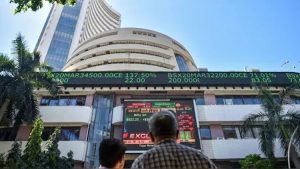
The Indian stock market is expected to open on a cautious note on Thursday, March 12, 2026, as global factors continue to weigh on investor sentiment. Benchmark indices—the Sensex and the Nifty 50—are likely to face additional pressure following a fresh surge in crude oil prices and lingering geopolitical tensions across the Middle East. Global markets have shown signs of volatility over the past several sessions, and the ripple effects are likely to influence Indian equities as trading begins today.
Over the past few days, market participants have been closely monitoring developments in global energy markets, where crude oil prices have been steadily climbing. This rise in oil prices is particularly significant for India because the country is one of the world’s largest importers of crude oil. Any sustained increase in energy costs can have a direct impact on inflation, corporate profitability, and overall economic outlook.
As a result, investors may adopt a cautious approach in early trade today, with selling pressure likely to be visible in sectors that are sensitive to energy prices, such as aviation, paints, chemicals, and logistics.
Global Cues Weigh on Market Sentiment
Global market sentiment remains fragile due to geopolitical tensions and economic uncertainty. Investors around the world are reacting to rising tensions in the Middle East, which have triggered concerns about supply disruptions in the global energy market. Any threat to oil supply routes typically results in sharp movements in crude prices, and this dynamic has been evident in recent trading sessions.
Asian markets have shown mixed trends as investors digest the implications of higher oil prices and ongoing geopolitical developments. Meanwhile, U.S. markets have also experienced volatility, with investors becoming increasingly cautious about inflation risks and interest rate expectations.
For Indian markets, global cues often play a crucial role in determining early trading trends. Weakness in global equities, combined with rising commodity prices, usually leads to risk-off sentiment among domestic investors.
Oil Price Surge: A Key Concern for Indian Markets
One of the biggest concerns for the Indian stock market today is the surge in crude oil prices. Energy prices have climbed sharply due to fears that escalating tensions in the Middle East could disrupt supply chains or impact major oil-producing regions.
Higher crude oil prices have multiple implications for the Indian economy and stock market:
- Rising Import Costs
India imports more than 80% of its crude oil requirements. When oil prices rise, the country’s import bill increases significantly. - Inflationary Pressures
Higher energy costs often lead to rising transportation and manufacturing expenses, which can push inflation upward. - Impact on Corporate Margins
Several sectors—including aviation, paints, logistics, and chemicals—are directly affected by fuel prices. Rising input costs can squeeze profit margins for companies operating in these industries. - Pressure on the Rupee
Higher oil imports typically increase demand for the U.S. dollar, which can weaken the Indian rupee.
These factors collectively contribute to a cautious outlook for equities in the short term.
Benchmark Indices: Recent Market Performance
In the previous trading session, the Indian stock market witnessed selling pressure as investors reacted to global developments and rising energy prices.
Both benchmark indices ended lower, reflecting concerns about macroeconomic risks and global volatility.
Sensex Movement
The Sensex has been showing signs of consolidation after a strong rally earlier in the year. Recent sessions have seen intermittent profit booking as investors reassess valuations and global risks.
Key resistance levels remain near recent highs, while support levels will be closely watched by traders looking for signs of stabilization.
Nifty 50 Movement
The Nifty 50 index has also been facing selling pressure, particularly in sectors sensitive to global commodity prices. Market participants will be watching key technical levels to determine whether the index can hold important support zones.
Technical analysts believe that if selling pressure intensifies due to global cues, the Nifty may test lower support levels before finding stability.
Sector-Wise Outlook for Today
Several sectors are expected to see notable movements during Thursday’s trading session.
Oil and Gas
Companies in the oil and gas sector may see mixed reactions. While upstream companies could benefit from higher crude prices, downstream companies such as refiners may face margin pressures.
Aviation
Aviation stocks are particularly sensitive to rising fuel costs because aviation turbine fuel represents a major portion of airline expenses. If oil prices continue to rise, airline stocks could face additional pressure.
Paints and Chemicals
These industries rely heavily on crude oil derivatives as raw materials. A sustained increase in oil prices could increase production costs and impact profitability.
Banking and Financials
Banking stocks may remain relatively stable compared to other sectors, but broader market sentiment could influence trading patterns.
IT Sector
The IT sector may see selective buying interest if global markets stabilize. Currency movements could also play a role in determining the sector’s performance.
Domestic Economic Factors Supporting the Market
Despite short-term global uncertainties, several domestic factors continue to support the Indian equity market.
Strong Economic Growth
India remains one of the fastest-growing major economies in the world. Robust GDP growth expectations continue to attract long-term investors.
Corporate Earnings
Many Indian companies have reported strong earnings over recent quarters, driven by improved demand and operational efficiency.
Domestic Investment Flows
Domestic institutional investors have played a crucial role in supporting the market during periods of foreign investor outflows.
Infrastructure Spending
Government investment in infrastructure projects continues to drive growth in sectors such as construction, cement, and engineering.
These factors provide a strong structural foundation for the Indian equity market, even though short-term volatility may persist.
Foreign Institutional Investor Activity
Foreign institutional investors (FIIs) have been closely monitoring global developments, including interest rate expectations and geopolitical risks. In recent sessions, FIIs have shown cautious behavior, occasionally pulling money out of emerging markets due to risk-off sentiment.
However, domestic institutional investors (DIIs) have helped stabilize markets by stepping in during periods of heavy selling.
Investor participation from retail traders has also increased in recent years, making the Indian market more resilient compared to previous decades.
Technical View: Key Levels to Watch
Technical analysts suggest that traders should keep an eye on important support and resistance levels during today’s trading session.
Nifty Key Levels
- Support: Around the lower psychological range near recent trading lows
- Resistance: Near recent highs where selling pressure previously emerged
Sensex Key Levels
- Support: Major support zones formed during recent consolidation phases
- Resistance: Areas where profit booking has been observed in previous sessions
A break below support levels could lead to further downside in the short term, while a bounce from support could trigger a relief rally.
Market Strategy for Investors
Given the current market environment, investors may consider adopting a cautious and disciplined strategy.
Focus on Quality Stocks
Long-term investors may prefer fundamentally strong companies with stable earnings growth.
Avoid Panic Selling
Short-term volatility is common during periods of global uncertainty. Investors should avoid making emotional decisions based on temporary market movements.
Diversification
Maintaining a diversified portfolio across sectors can help manage risk during volatile periods.
Monitor Global Developments
Geopolitical developments and oil price movements will likely remain key drivers of market sentiment in the near term.
Impact of Middle East Tensions on Markets
The ongoing geopolitical tensions in the Middle East have become a major concern for global financial markets. Any escalation in conflict could disrupt shipping routes, oil production, or energy infrastructure.
Such developments tend to trigger volatility across global equity markets. Investors typically move toward safer assets during times of geopolitical uncertainty, leading to selling pressure in equities.
For India, the biggest concern remains the potential impact on crude oil supply and prices. A sustained rise in oil prices could have significant macroeconomic implications.
Rupee Movement and Currency Trends
Currency movements are another factor that investors are closely monitoring.
If crude oil prices continue to rise, the Indian rupee could face depreciation pressure due to increased demand for dollars to pay for imports.
A weaker rupee can have both positive and negative effects on different sectors:
Positive Impact:
- IT companies
- Export-oriented industries
Negative Impact:
- Oil marketing companies
- Aviation companies
- Import-dependent sectors
Therefore, currency trends may also influence sectoral movements in today’s trading session.
Investor Sentiment and Market Psychology
Market sentiment plays a crucial role in determining short-term price movements. Currently, investors appear cautious due to the combination of rising oil prices and geopolitical uncertainty.
When uncertainty increases, traders often reduce risk exposure, which can lead to temporary declines in equity markets.
However, long-term investors typically view such corrections as potential buying opportunities, especially in fundamentally strong companies.
Outlook for the Rest of the Week
Looking ahead, several factors could influence the direction of Indian markets over the next few sessions:
- Crude oil price trends
- Global geopolitical developments
- Foreign investor flows
- Currency movements
- Global equity market performance
If oil prices stabilize and geopolitical tensions ease, markets could see a recovery. However, if uncertainty persists, volatility may remain elevated.
This article may be prepared with the assistance of artificial intelligence (AI) and is reviewed before publication. While we aim for accuracy and timeliness, readers should verify important facts from official or primary sources. If you believe any information is inaccurate or that any content infringes your rights, please contact ainewsbreaking.com for review and appropriate action.