India’s Global Reputation in Jeopardy: Tamil Nadu CM Stalin Slams FCRA Amendment Bill
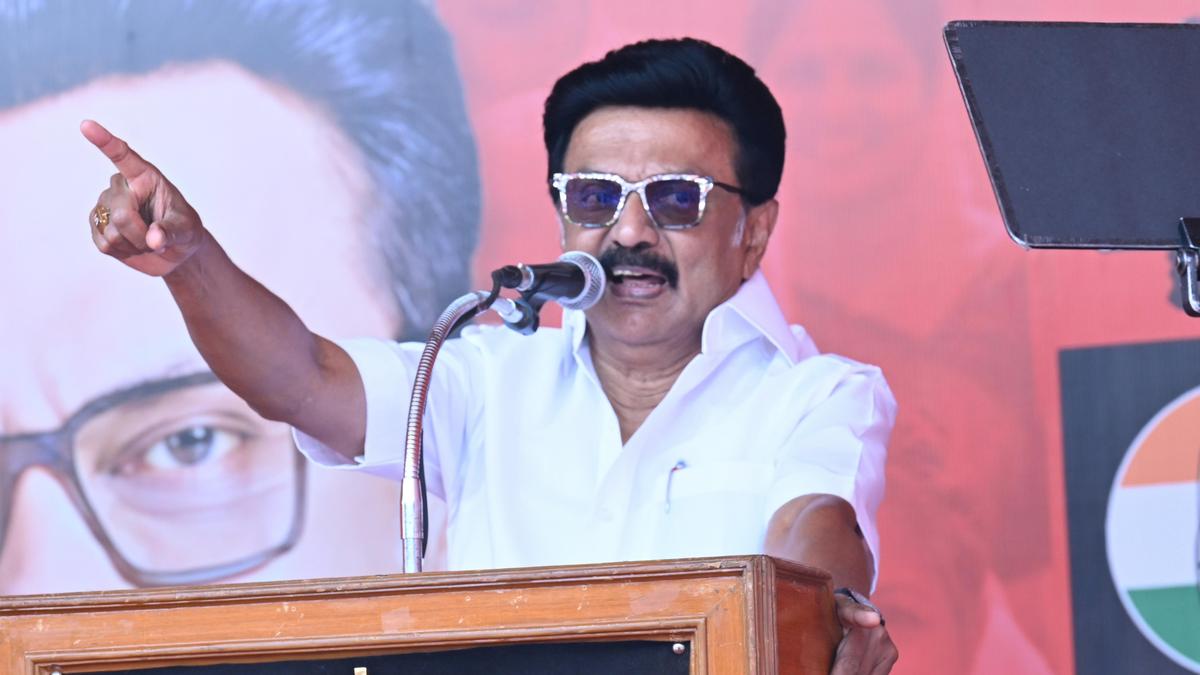
Tamil Nadu Chief Minister M.K. Stalin has voiced his strong opposition to the proposed amendment of the Foreign Contribution (Regulation) Act (FCRA), terming it an attack on religious freedom and social activism in India. Stalin made the remarks on Wednesday in Nagercoil, highlighting the potential long-term consequences of the amendment on the country’s global reputation.
Stalin emphasized that the FCRA amendment poses a significant threat to India’s cherished values of diversity and inclusivity, as well as its position as a leader in the global community. He stated that the bill could cause irreparable harm to India’s standing worldwide. The proposed amendment is yet to be passed in the Lok Sabha, India’s lower house of parliament, where it is currently being debated.
The FCRA, enacted in 2010, regulates the acceptance and utilization of foreign contribution by individuals and associations in India. The proposed amendment aims to streamline foreign funding and strengthen regulatory supervision, but Stalin and several other opposition leaders contend that the move will stifle religious freedom, social activism, and voluntary work.
According to Stalin, India’s vibrant civil society has been at the forefront of promoting democracy, social justice, and inclusive growth. However, the FCRA amendment could jeopardize this progress by imposing stringent restrictions on the flow of foreign funds to civil society organizations. He called on the government to reconsider the amendment and engage in a more inclusive dialogue with various stakeholders to address the concerns.
India has been ranked among the world’s largest recipients of foreign aid, with many development partners providing assistance for various projects and initiatives in the country. The proposed amendment has sparked intense debate, with many arguing that the restrictions on foreign funding could undermine development efforts and hinder progress towards the United Nations’ Sustainable Development Goals (SDGs).
The Lok Sabha is expected to take up the FCRA amendment bill for debate in the coming weeks. As the bill undergoes further deliberation, Stalin’s concerns are likely to resonate with many in India who fear that the amendment could erode the country’s cherished cultural and social values.
Meanwhile, the opposition has intensified their criticism of the bill, with several leaders calling for a more nuanced approach to regulating foreign funding in India. As the debate continues, one thing is clear: the fate of the FCRA amendment will have far-reaching implications for India’s social fabric, international reputation, and commitment to its core values.
This article may be prepared with the assistance of artificial intelligence (AI) and is reviewed before publication. While we aim for accuracy and timeliness, readers should verify important facts from official or primary sources. If you believe any information is inaccurate or that any content infringes your rights, please contact ainewsbreaking.com for review and appropriate action.