**India’s Most Powerful Individuals Revealed: 2026 IE100 List Highlights Elected Leaders and Business Moguls**
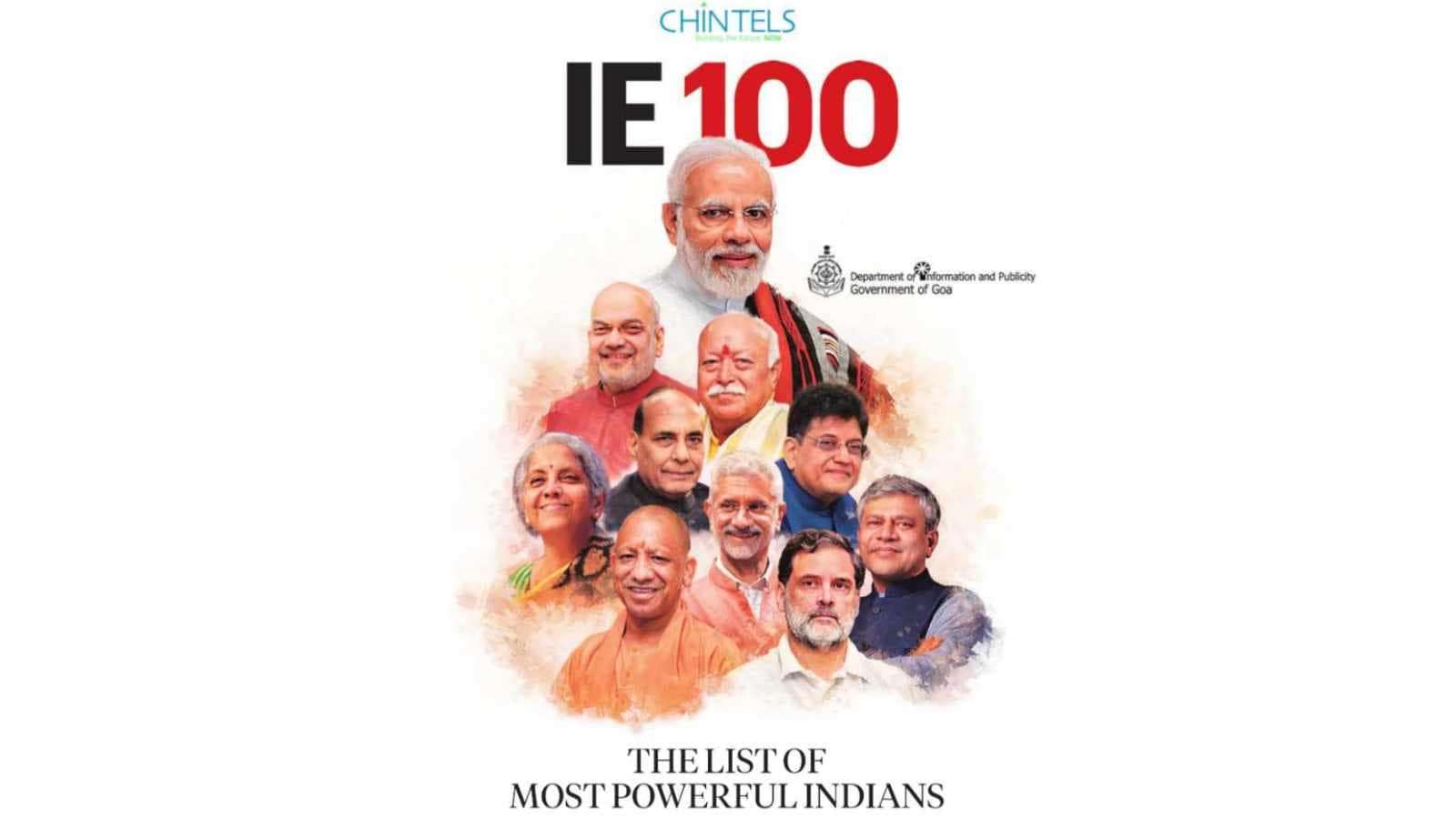
The IE100 list of the most powerful Indians in 2026, published by The Indian Express, offers a sweeping snapshot of who truly holds influence in the country today—across politics, business, bureaucracy, entertainment, sports, and beyond. It is not just a ranking of wealth or popularity, but a deeper reflection of who shapes decisions, narratives, policies, and public opinion in India’s evolving power structure.
Introduction: What Defines Power in India Today?
Power in modern India is no longer confined to political office alone. While elected leaders still dominate the top ranks, the definition of influence has expanded dramatically. Today, power includes:
- The ability to shape national policy and governance
- Control over economic ecosystems and industries
- Influence on public discourse and digital narratives
- Cultural reach through sports, cinema, and social media
- Strategic roles in security, diplomacy, and global affairs
The IE100 list captures this diversity, blending traditional authority with new-age influence.
Top Tier: Political Leadership Still Dominates
At the summit of the IE100 list, Prime Minister Narendra Modi continues to hold the top position, reflecting his unmatched authority in Indian politics. His leadership remains central to:
- Policy-making across sectors
- Electoral strategy and outcomes
- India’s global diplomatic positioning
Alongside him, Union Home Minister Amit Shah and key cabinet ministers remain among the most powerful figures, underscoring the concentration of decision-making within the central government.
Why Political Power Still Leads
Politics remains the most direct channel to power because it controls:
- Legislation
- National security
- Economic direction
- Federal relations
Even as new power centers emerge, the political leadership continues to define the framework within which all others operate.
The Rise of Bureaucratic and Strategic Power
Behind elected leaders, India’s top bureaucrats and strategic advisors play a critical role in execution and policy shaping.
Key figures often include:
- National security advisors
- Cabinet secretaries
- Diplomats and foreign policy experts
These individuals may not always be in the public eye, but they:
- Shape long-term policy direction
- Manage crises
- Influence international negotiations
Their inclusion in the IE100 highlights how institutional power complements political authority.
Corporate Titans: The Economic Powerhouses
India’s business leaders continue to command enormous influence, often rivaling political figures in impact.
Prominent names typically featured include:
- Mukesh Ambani – Reliance Industries
- Gautam Adani – Adani Group
- Kumar Mangalam Birla – Aditya Birla Group
These leaders control vast economic networks spanning:
- Energy
- Telecom
- Infrastructure
- Retail
- Finance
For instance, corporate decisions—such as mergers, investments, or expansion—can reshape entire sectors.
Why Business Leaders Matter
- They generate employment at scale
- Influence markets and investor sentiment
- Shape India’s global economic standing
In many cases, their strategic moves align with or influence government priorities, creating a powerful synergy between politics and business.
Technology and Digital Influence: The New Power Axis
The digital revolution has introduced a new class of power players—technology leaders and innovators.
Figures like:
- Nandan Nilekani (Aadhaar architect, Infosys chairman)
represent how technology can redefine governance and society.
Impact of Tech Leaders
- Digital identity systems
- Fintech and digital payments
- Data governance
- Startup ecosystems
India’s digital transformation has elevated these leaders into the top ranks of influence.
Entertainment and Sports Icons: Cultural Power
Power today is also measured by mass influence over public imagination.
Celebrities and sports personalities featured in such lists often include:
- Bollywood actors
- Cricket stars like Virat Kohli
- Sports administrators and league owners
Why They Matter
- Shape public opinion and trends
- Influence brand markets and endorsements
- Act as global ambassadors of India
Their reach, especially through social media, allows them to influence millions instantly, making them key players in modern power dynamics.
Women in Power: Expanding Influence
The IE100 list also reflects the growing role of women across sectors.
Notable examples include:
- Nita Ambani – sports, philanthropy, business influence
- Women ministers and policymakers
- Corporate leaders and entrepreneurs
Significance
- Increasing representation in leadership
- Influence across business, policy, and social sectors
- Driving change in gender dynamics
Women are no longer peripheral but central to India’s power structure.
Regional Leaders: The Federal Power Equation
India’s federal structure ensures that state leaders wield significant influence.
Chief Ministers like:
- Leaders from Tamil Nadu, Uttar Pradesh, West Bengal, etc.
play crucial roles in:
- Regional governance
- Electoral outcomes
- National alliances
Their inclusion in the IE100 underscores how power in India is both centralized and decentralized.
Opposition Voices: Power Beyond Government
Power is not limited to those in office. Opposition leaders continue to shape:
- Political narratives
- Public debates
- Policy criticism
Figures like senior Congress leaders remain influential due to:
- Experience in governance
- Public engagement through speeches and writings
This highlights the importance of democratic balance in India’s power ecosystem.
New Entrants: Changing Faces of Influence
Every year, the IE100 list introduces new entrants—individuals whose influence has risen due to:
- Electoral success
- Business expansion
- Social or digital impact
These new names indicate:
- Shifting power dynamics
- Emerging sectors of influence
- The evolving nature of leadership
Key Trends in IE100 2026
1. Centralisation of Political Power
The top ranks continue to be dominated by central leadership, reflecting strong governance control.
2. Corporate-Political Synergy
Business and government increasingly intersect in areas like infrastructure, energy, and digital policy.
3. Rise of Digital Influence
Tech leaders and online influencers are gaining prominence.
4. Cultural Power Expansion
Celebrities and athletes now hold influence comparable to traditional leaders.
5. Increasing Diversity
More women and regional leaders are gaining recognition.
How the Rankings Are Determined
The IE100 list is based on multiple qualitative factors, including:
- Decision-making authority
- Influence over institutions
- Public visibility
- Ability to shape outcomes
It is not a numerical or financial ranking alone but a holistic assessment of influence.
Why This List Matters
The IE100 is more than just a ranking—it is a mirror of India’s power structure.
It helps us understand:
- Who drives policy and governance
- Who controls economic engines
- Who shapes public perception
- How influence is evolving
For readers, analysts, and policymakers, it provides a roadmap of power in India.
Conclusion: The Evolving Nature of Power in India
The IE100 2026 list reveals a country where power is increasingly multi-dimensional.
- Politics remains dominant
- Business drives economic influence
- Technology reshapes governance
- Culture and media amplify voices
India’s power landscape is no longer linear—it is networked, dynamic, and constantly evolving.
As new leaders emerge and sectors transform, the definition of power will continue to shift—making future editions of the IE100 even more fascinating.
This article may be prepared with the assistance of artificial intelligence (AI) and is reviewed before publication. While we aim for accuracy and timeliness, readers should verify important facts from official or primary sources. If you believe any information is inaccurate or that any content infringes your rights, please contact ainewsbreaking.com for review and appropriate action.