India’s Parliamentary Tensions Escalate: Opposition Demands Action on LPG Shortage Amidst High-Profile Scandals
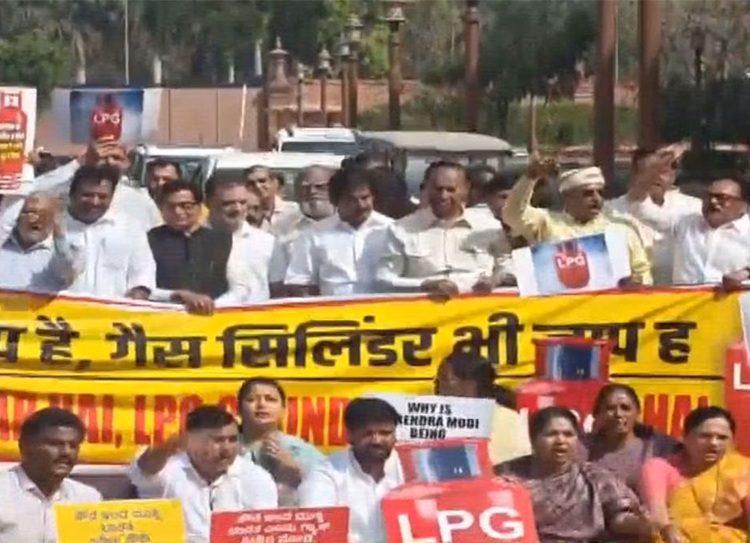
The Indian Parliament complex was abuzz with tense protests as opposition Members of Parliament (MPs) took to the streets to express their discontent over the burgeoning shortage of commercial Liquified Petroleum Gas (LPG) cylinders. The demonstrations, which drew significant attention, were led by prominent figures, including Rahul Gandhi, who seized the opportunity to criticize the government’s handling of the situation. Gandhi alleged that the Prime Minister’s recent behavior, marked by apparent unease and defensiveness, was a direct result of the Epstein files controversy and the ongoing Adani case in the United States.
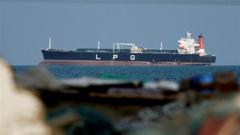
As the opposition MPs converged on the Parliament complex, they chanted slogans and held up placards, highlighting the severity of the LPG shortage and its far-reaching consequences for businesses and households alike. The protesters argued that the government’s inability to address the crisis was a stark reminder of its incompetence and lack of regard for the welfare of its citizens. The shortage, which has been exacerbated by a combination of factors, including supply chain disruptions and increased demand, has left many commercial establishments, such as restaurants and hotels, struggling to maintain their operations.
The opposition’s attack on the government was not limited to the LPG shortage, as they also sought to capitalize on the Prime Minister’s perceived vulnerability in the face of high-profile scandals. The Epstein files controversy, which has sparked intense debate and speculation, has been cited by opposition leaders as evidence of the government’s lack of transparency and accountability. Similarly, the Adani case, which is currently being investigated in the United States, has raised questions about the government’s relationships with corporate entities and its commitment to upholding the law.
The protests in the Parliament complex were marked by a sense of urgency and frustration, as opposition MPs demanded that the government take immediate action to address the LPG shortage and provide relief to those affected. The demonstrators also called for greater transparency and accountability in the government’s handling of high-profile scandals, arguing that the public has a right to know the truth and that those in power must be held accountable for their actions.
As the protests continued, it became clear that the opposition was determined to keep the pressure on the government, pushing for concrete solutions to the LPG shortage and greater accountability in the face of scandal. The government, on the other hand, faces a daunting task in addressing the crisis and restoring public confidence in its ability to govern effectively. With the opposition refusing to back down, the stage is set for a prolonged and intense battle of wills, one that will likely have significant implications for the future of Indian politics.
The LPG shortage, which has been described as a crisis of epic proportions, has already begun to have far-reaching consequences for the Indian economy. With commercial establishments struggling to maintain their operations, the shortage has resulted in significant losses for businesses and threatens to undermine the country’s economic growth. The opposition’s demands for action, therefore, are not merely a political tactic, but a desperate cry for help from a population that is struggling to cope with the effects of the shortage.
As the situation continues to unfold, it remains to be seen how the government will respond to the opposition’s demands and whether it will be able to find a solution to the LPG shortage. One thing, however, is certain: the protests in the Parliament complex mark a significant escalation of tensions between the government and the opposition, and the outcome will have far-reaching consequences for the future of Indian politics. With the opposition refusing to back down and the government facing intense pressure to act, the stage is set for a dramatic showdown that will likely shape the course of Indian history.
This article may be prepared with the assistance of artificial intelligence (AI) and is reviewed before publication. While we aim for accuracy and timeliness, readers should verify important facts from official or primary sources. If you believe any information is inaccurate or that any content infringes your rights, please contact ainewsbreaking.com for review and appropriate action.