International Students’ Impact Felt Deeply as U.S. Borders Tighten
In 2026, as the United States recalibrates its immigration and border policies amid heightened geopolitical tensions and domestic political shifts, international students are increasingly finding themselves at the center of a growing crisis. Stricter visa rules, enhanced security screenings, and policy unpredictability are not only reshaping the U.S. higher education landscape but also sending ripple effects across global academic mobility.
🌍 A Changing Immigration Climate in 2026
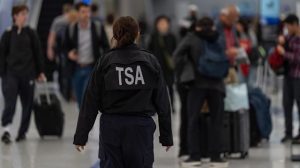
The tightening of U.S. borders comes against the backdrop of renewed nationalist policy priorities and ongoing international conflicts, including tensions in the Middle East and broader concerns about global security. The current administration has emphasized border control, national security, and stricter vetting processes, which has directly impacted student visa approvals.
In 2026, visa processing delays have become more frequent, with many applicants reporting:
- Extended waiting periods for F-1 visa interviews
- Increased documentation requirements
- Higher rejection rates, especially from countries under heightened scrutiny
Universities across the U.S. have acknowledged that uncertainty in visa timelines is disrupting academic planning, with some students unable to arrive in time for the start of semesters.
🎓 Declining Enrollment and Campus Diversity
For decades, international students have been a cornerstone of U.S. higher education, contributing both academically and economically. However, early 2026 data suggests a noticeable decline in international enrollment, particularly from Asia, the Middle East, and parts of Africa.
Admissions officers and university administrators point to:
- Fear of sudden policy changes
- Travel restrictions and border scrutiny
- Concerns over post-study work opportunities
As a result, many students are now exploring alternative destinations such as Canada, the United Kingdom, Australia, and Germany—countries perceived as offering more stable and welcoming immigration pathways.
💼 Economic Consequences for the U.S.
The impact extends far beyond university campuses. International students contribute billions of dollars annually to the U.S. economy through:
- Tuition fees
- Housing and living expenses
- Local spending
With fewer students arriving, universities—especially smaller institutions and public colleges—are facing budgetary pressures. Local economies in college towns are also experiencing reduced economic activity, affecting housing markets, retail, and service industries.
🧑🎓 Student Voices: Anxiety and Uncertainty
International students already in the U.S. are also feeling the pressure. Many report:
- Anxiety over visa renewals and compliance requirements
- Concerns about travel restrictions preventing them from visiting home
- Uncertainty about Optional Practical Training (OPT) and employment pathways
For prospective students, the perception of the U.S. as a welcoming academic destination is shifting. Social media and student forums in 2026 reflect growing hesitation, with many questioning whether the risks outweigh the benefits.
🛂 Policy Measures Driving the Shift
Several policy changes in 2026 have contributed to the tightening environment:
- Expanded background checks and digital footprint reviews
- Stricter enforcement of visa conditions
- Reduced flexibility in work authorizations for students
Additionally, broader immigration crackdowns—aimed at curbing illegal entry—have indirectly affected legal pathways, including student visas, by slowing down administrative processes and increasing scrutiny across the board.
🌐 Global Education Landscape Rebalances
As the U.S. tightens its borders, competitor nations are actively positioning themselves to attract displaced talent. In 2026:
- Canada has streamlined its student visa system and expanded post-study work options
- The UK has reintroduced favorable graduate visa routes
- Australia is investing in international student recruitment campaigns
This shift is contributing to a redistribution of global academic talent, potentially weakening the long-standing dominance of U.S. institutions in attracting top international students.
⚖️ Balancing Security and Openness
Policy experts argue that while national security concerns are valid, overly restrictive immigration measures risk undermining America’s global leadership in education and innovation. International students have historically contributed to:
- Research and development
- Technological innovation
- Cultural exchange and soft power
Striking a balance between security and openness remains a key challenge for policymakers in 2026.
🔮 What Lies Ahead?
The future for international students in the U.S. remains uncertain. Much will depend on:
- Policy adjustments in the coming months
- Diplomatic relations with key countries
- Pressure from universities and industry leaders
If current trends continue, the U.S. could face a long-term decline in international student enrollment, with lasting implications for its education system and global influence.
This article may be prepared with the assistance of artificial intelligence (AI) and is reviewed before publication. While we aim for accuracy and timeliness, readers should verify important facts from official or primary sources. If you believe any information is inaccurate or that any content infringes your rights, please contact ainewsbreaking.com for review and appropriate action.