**Iran Asserts Control Over Strait of Hormuz, Igniting Global Dispute**
In a move that has sparked international tensions, Iran has announced plans to oversee traffic in the critical Strait of Hormuz, a strategic waterway connecting the Persian Gulf to the Gulf of Oman. This decision has been met with skepticism and opposition from the United States, which argues that Iran’s claims to control the strait are in direct contravention of international law.
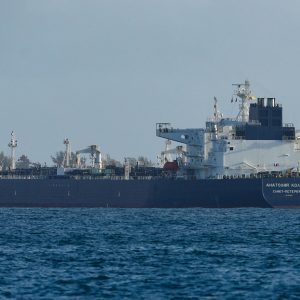
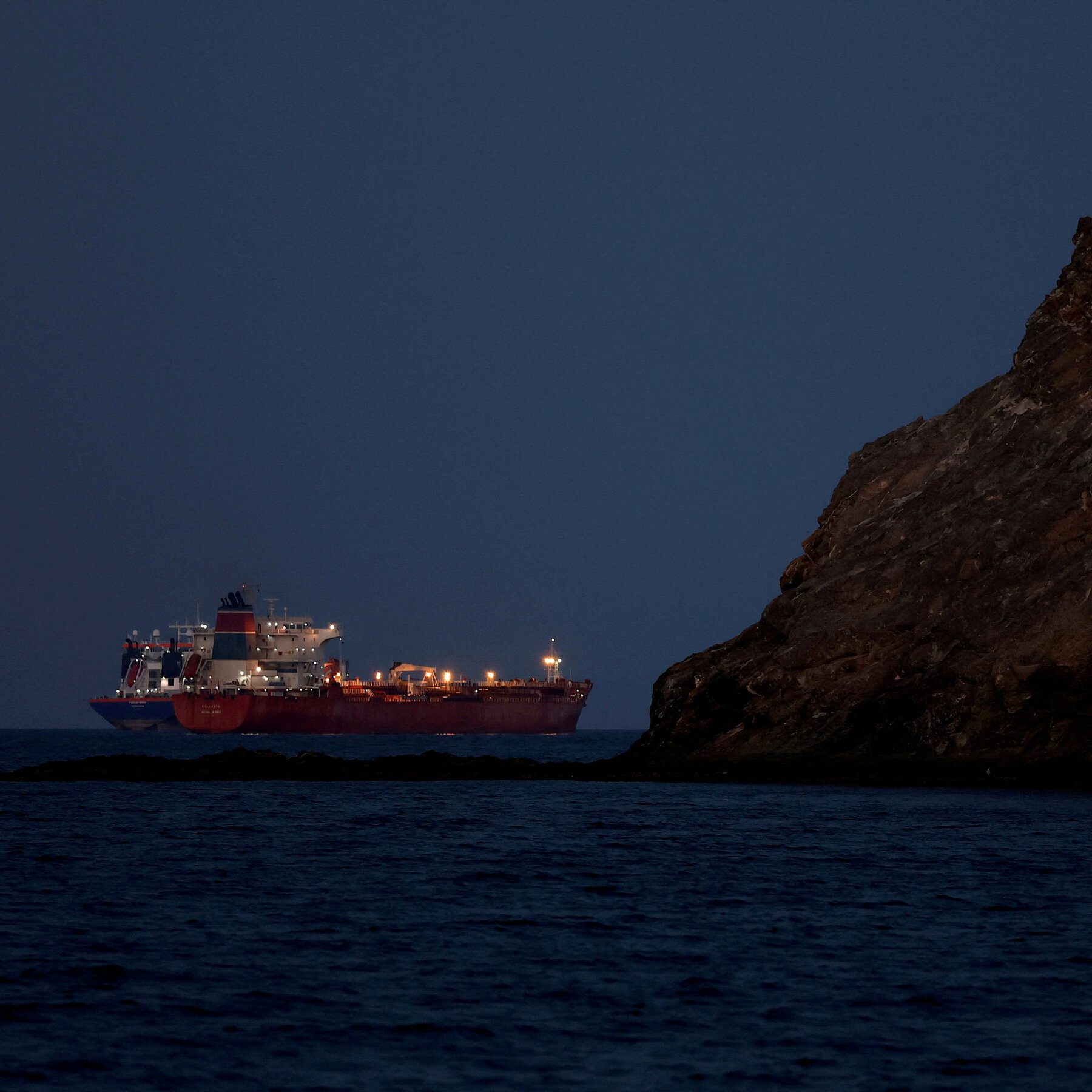
The Strait of Hormuz is a vital shipping lane, with a daily flow of approximately 20 percent of global oil shipments. Its strategic importance has led to numerous maritime disputes in the region over the years. Iran’s assertion of control over the strait is the latest escalation in a long-standing rivalry between Iran and the United States, which has been further complicated by tensions surrounding the nuclear deal and the withdrawal of U.S. troops from the region.
Iran’s claim to oversee traffic in the strait, even in peacetime, has significant implications for global trade and maritime security. The move has been welcomed by some regional players, including China and Russia, which have been strengthening their economic and security ties with Iran in recent years. However, the international community remains deeply concerned about the potential for conflict and disruption in the region.
The United States has historically opposed any form of Iranian control over the Strait of Hormuz, arguing that it violates the principle of freedom of navigation. Washington has also emphasized the importance of maintaining the security of the waterway, citing the presence of multinational naval forces in the region to address potential threats.
Iran’s assertion of control over the strait has reignited debates about the country’s long-term goals and willingness to engage in regional security talks. While some experts see Iran’s move as a calculated attempt to strengthen its negotiating position, others view it as a reckless provocation that could lead to devastating consequences.
The international community is watching the situation closely, with the United States and its allies likely to engage in diplomatic efforts to counter Iran’s move and assert their rights under international law. The global implications of the dispute will depend on how the situation unfolds, but one thing is clear: the fate of the Strait of Hormuz remains a highly contested and volatile issue in the region.
This article may be prepared with the assistance of artificial intelligence (AI) and is reviewed before publication. While we aim for accuracy and timeliness, readers should verify important facts from official or primary sources. If you believe any information is inaccurate or that any content infringes your rights, please contact ainewsbreaking.com for review and appropriate action.