
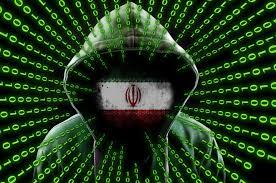
Iran Launches Massive Data-Wipe Cyberattack on US in Revenge for Minab School Massacre
In a dramatic escalation of the ongoing conflict between Iran and the United States, a pro-Iranian hacking group has claimed responsibility for a large-scale cyberattack that allegedly wiped data across hundreds of thousands of American devices. The operation was described by the attackers as retaliation for the deadly strike on a girls’ school in the Iranian city of Minab — an incident that has become one of the most controversial and tragic episodes of the war.
The cyber offensive marks a significant shift in the conflict, showing that the confrontation between the two countries is not limited to missiles, airstrikes, and naval blockades but is increasingly spilling into cyberspace. Experts say the attack highlights the growing role of cyber warfare as a tool of retaliation and strategic pressure in modern conflicts.
The Cyberattack That Shocked US Institutions
According to reports, the Iranian-linked hacktivist group known as “Handala Hack” claimed it launched a devastating cyber campaign against a major American medical technology firm. The group said the operation infected and wiped data from approximately 200,000 devices, causing widespread disruption to the company’s digital infrastructure.
The hackers described the operation as an act of revenge for what they called the “Minab School Massacre.” Their statement suggested the cyberstrike was carefully planned to send a strong political message to the United States and its allies.
While details about the technical aspects of the attack remain limited, early reports indicate that the hackers deployed data-wiping malware, a particularly destructive form of cyber weapon designed to permanently erase information from computers and servers.
Unlike ransomware attacks — where hackers demand payment to restore data — data-wipe attacks focus purely on destruction, making them far more damaging for targeted organizations.
Cybersecurity analysts say this approach indicates that the attackers were not motivated by financial gain but rather by geopolitical retaliation.
What Happened in the Minab School Strike?
The cyberattack was explicitly linked by the hackers to the February 28 strike on the Shajareh Tayyebeh Girls’ School in Minab, a city located in Iran’s Hormozgan province near the strategic Strait of Hormuz.
Investigations and satellite imagery suggest the school was destroyed during a U.S. missile strike targeting a nearby military installation. The attack killed more than 165 people, most of them schoolchildren, making it one of the deadliest civilian casualties of the war.
According to reports from multiple media organizations, the strike may have occurred due to outdated intelligence data that incorrectly identified the school building as part of an Iranian military complex.
Sources familiar with a preliminary investigation said U.S. Central Command used target coordinates generated from old intelligence supplied by the Defense Intelligence Agency, which mistakenly treated the school site as part of an Islamic Revolutionary Guard Corps (IRGC) facility.
The missile — believed to be a Tomahawk cruise missile — struck the area during school hours, collapsing the two-story building and trapping children and teachers under the rubble.
Images from the aftermath showed destroyed classrooms, scattered schoolbooks, and rows of small coffins at funerals that shocked the Iranian public.
US Response and Investigation
The United States has denied intentionally targeting a school and said it is investigating the incident.
American officials stressed that civilian infrastructure is never deliberately targeted by U.S. military operations and suggested the strike may have been the result of faulty or outdated intelligence.
Pentagon sources acknowledged that an internal investigation is underway to determine how the targeting error occurred and why it was not detected during final verification checks.
If confirmed, the strike could represent one of the most serious intelligence failures of the conflict.
International organizations, including the United Nations, have called for a transparent investigation into the incident to determine accountability and prevent similar tragedies in the future.
Iran’s Vow of Revenge
The Minab tragedy triggered widespread anger across Iran. Government officials and religious leaders vowed that the country would never forget or forgive the attack.
Mass funerals were held across Hormozgan province, with thousands attending ceremonies honoring the victims. Iranian leaders described the children killed in the strike as “martyrs” and pledged that those responsible would face consequences.
Iran’s leadership also warned that retaliation could occur through multiple forms of warfare, including cyber operations, missile strikes, and attacks on strategic infrastructure.
The recent cyberattack on the American medical technology company appears to be one of the first major acts of retaliation directly tied to that promise.
The Rise of Cyber Warfare in the Iran Conflict
Cyber warfare has become an increasingly important battlefield in the confrontation between Iran and its adversaries.
For more than a decade, Iran has invested heavily in cyber capabilities, developing both defensive and offensive tools to target foreign infrastructure.
Some of the most notable cyber incidents involving Iran include:
- Attacks on Saudi oil companies
- Intrusions into U.S. banks
- Cyber espionage campaigns targeting government agencies
Security experts say the recent data-wipe operation fits a pattern of Iranian cyber tactics that focus on disruption and psychological impact.
By targeting a healthcare technology company, the attackers may have intended to highlight the vulnerability of civilian infrastructure during wartime.
Strategic Impact on the US-Iran Conflict
The cyberattack adds a new dimension to an already volatile conflict that has seen:
- Missile strikes across multiple regions
- Attacks on energy infrastructure
- Rising tensions in the Persian Gulf
Experts warn that cyber retaliation can escalate quickly because it is difficult to attribute attacks with complete certainty.
Unlike conventional warfare, where missiles and aircraft are clearly identifiable, cyber operations often involve complex networks of proxies, hacktivist groups, and covert government units.
This ambiguity can make retaliation unpredictable and increase the risk of escalation.
Global Reactions
The attack and its connection to the Minab tragedy have triggered reactions across the international community.
Many governments have called for restraint and urged both sides to avoid further escalation.
Human rights organizations have also renewed demands for a thorough investigation into the school strike, emphasizing the importance of protecting civilians during armed conflict.
China and several other countries criticized the bombing of the school, calling it a violation of humanitarian norms and urging accountability.
At the same time, cybersecurity experts warned that the cyberattack demonstrates how modern wars increasingly extend into civilian sectors such as healthcare, finance, and energy.
A War Expanding Beyond the Battlefield
The cyberstrike linked to the Minab school tragedy illustrates how the conflict between Iran and the United States is evolving.
What began as a military confrontation involving airstrikes and naval operations has now expanded into a multi-domain conflict, including cyber warfare, economic pressure, and information battles.
Experts warn that such hybrid warfare can make conflicts more unpredictable and harder to contain.
As investigations into the school strike continue and cyberattacks escalate, the world is watching closely to see whether the confrontation will intensify further — or whether diplomatic efforts can prevent the situation from spiraling into a broader regional crisis.
This article may be prepared with the assistance of artificial intelligence (AI) and is reviewed before publication. While we aim for accuracy and timeliness, readers should verify important facts from official or primary sources. If you believe any information is inaccurate or that any content infringes your rights, please contact ainewsbreaking.com for review and appropriate action.