
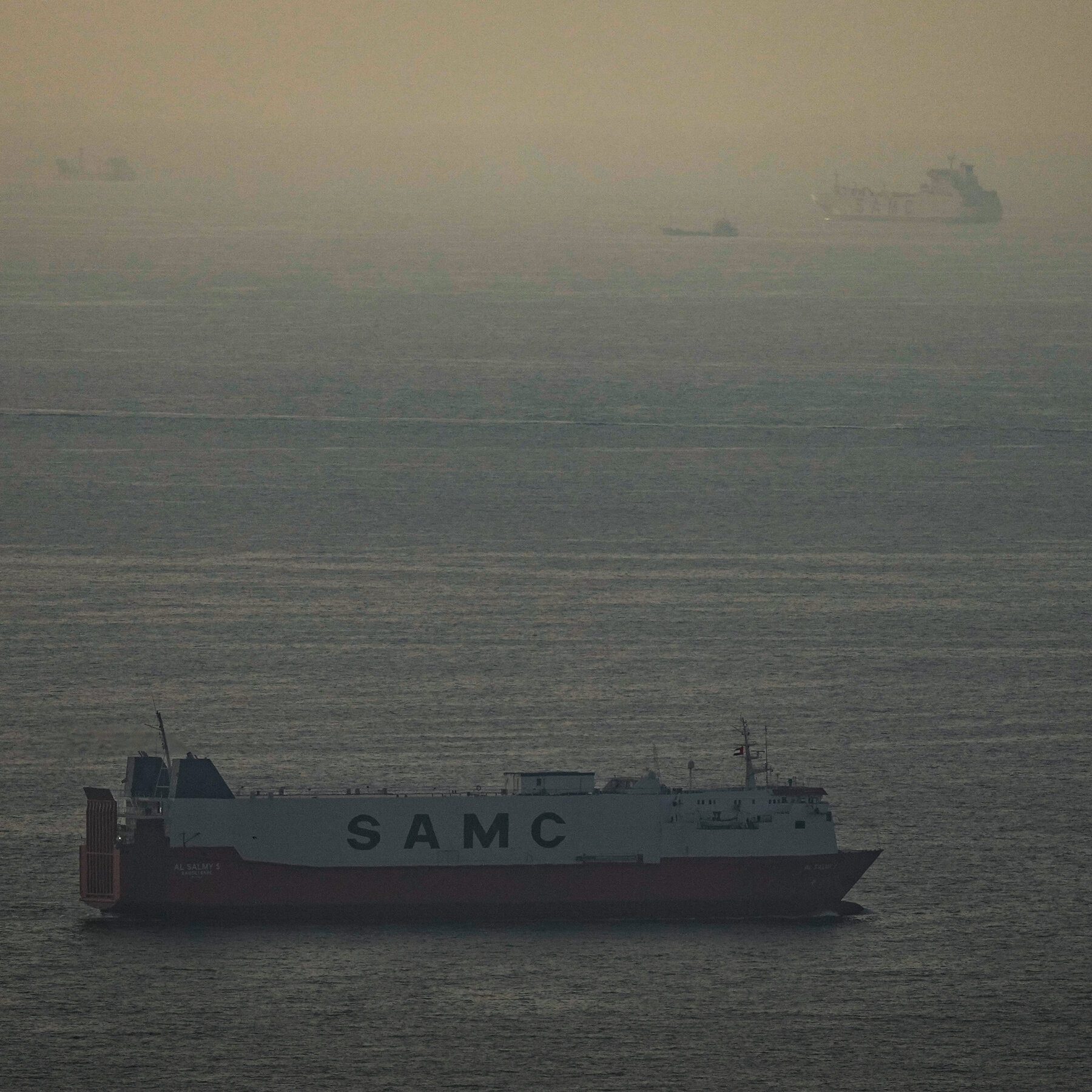
Iran Maintains Control Over Strait of Hormuz, Disrupting Global Shipping and Energy Markets
In a move that continues to impact global trade and energy supplies, Iran has maintained its tight grip on the Strait of Hormuz, a critical waterway that connects the Persian Gulf to the Arabian Sea. Although a limited number of vessels have been permitted to pass through the strait, this restricted access is unlikely to ease the pressure on the shipping industry and energy markets. The situation remains precarious, with the potential for further disruptions to global trade and energy supplies.
The Strait of Hormuz is a vital transportation route, with approximately 20 percent of the world’s oil passing through it. Iran’s control over the strait has significant implications for the global energy market, as any disruptions to oil shipments can lead to price volatility and supply chain disruptions. The shipping industry is also feeling the effects, as vessels are being forced to take alternative routes or wait for clearance to pass through the strait.
The limited access to the strait has resulted in increased costs and risks for shipping companies, which are being forced to navigate through uncertain waters. The situation is being closely monitored by global authorities, who are working to mitigate the impact of Iran’s actions on the shipping industry and energy markets. Despite these efforts, the situation remains uncertain, and the potential for further disruptions to global trade and energy supplies remains high.
As the situation continues to unfold, global markets are watching with bated breath, waiting to see how events will play out. The impact of Iran’s control over the Strait of Hormuz is being felt far beyond the region, with the potential for significant economic and political implications. With the global economy already facing numerous challenges, the disruption to trade and energy supplies is a significant concern for policymakers and industry leaders.
The international community is urging Iran to ease its restrictions on the strait, citing concerns over the impact on global trade and energy supplies. However, Iran has shown no signs of backing down, and the situation remains at an impasse. As tensions continue to rise, the world waits with anticipation to see how the situation will be resolved, and what the long-term implications will be for the global economy.
In the midst of this uncertainty, one thing is clear: the situation in the Strait of Hormuz has significant implications for global trade and energy supplies. As the world watches and waits, one thing is certain – the situation will continue to be closely monitored, and any developments will be met with a swift response from global authorities. With the potential for significant economic and political implications, the world is holding its breath, waiting to see how events will unfold.
This article may be prepared with the assistance of artificial intelligence (AI) and is reviewed before publication. While we aim for accuracy and timeliness, readers should verify important facts from official or primary sources. If you believe any information is inaccurate or that any content infringes your rights, please contact ainewsbreaking.com for review and appropriate action.