Iran Names Mohammad Bagher Zolghadr as New Security Chief After Assassination of Ali Larijani
Iran Appoints Mohammad Bagher Zolghadr as New Security Chief
In a major development amid intensifying geopolitical tensions in West Asia, Iran has appointed a new top security official following the assassination of its senior leader Ali Larijani. The move signals Tehran’s attempt to maintain continuity and stability within its national security framework during an ongoing and highly volatile conflict.
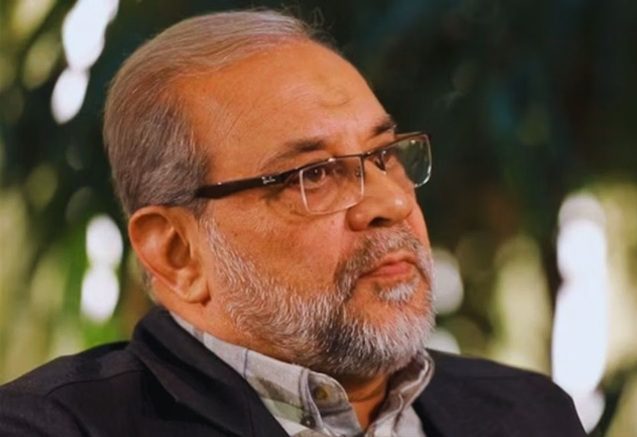
According to reports, Iran has named Mohammad Bagher Zolghadr as the new secretary of the country’s Supreme National Security Council (SNSC), replacing Larijani, who was killed in a targeted strike linked to the ongoing war in the region.
Leadership Change Amid Crisis
The appointment of Zolghadr comes at a critical juncture for Iran, as the country faces sustained military pressure and internal challenges following the assassination of several high-ranking officials.
Larijani, who had been serving as Iran’s top security official, was considered one of the most influential figures in shaping the country’s strategic and military policies. His death marks a significant blow to Iran’s leadership structure and highlights the intensity of the current conflict.
Iranian authorities moved swiftly to fill the vacuum, appointing Zolghadr — a seasoned figure with deep ties to the military establishment — to ensure continuity in decision-making and national security operations.
Who is Mohammad Bagher Zolghadr?
Mohammad Bagher Zolghadr is a veteran of the Islamic Revolutionary Guard Corps (IRGC), where he previously served as a senior commander. Known for his hardline stance and extensive experience in internal security and defense affairs, Zolghadr has held several key positions within Iran’s political and military systems.
His past roles include:
- Deputy commander in the IRGC
- Deputy interior minister
- Secretary of the Expediency Discernment Council
His appointment reflects a broader trend within Iran’s leadership of relying on experienced military figures to navigate periods of crisis.
Impact of Ali Larijani’s Assassination
The killing of Ali Larijani has had significant political and strategic implications. He was widely regarded as a central figure in Iran’s wartime decision-making and internal security strategy.
Larijani’s assassination is believed to have been carried out during a series of coordinated strikes targeting Iranian leadership amid escalating hostilities involving Israel and its allies.
The loss of such a key figure has intensified concerns about further escalation in the region, as well as the potential for retaliatory actions by Iran.
Iran’s Strategy: Continuity and Resilience
Despite the high-profile loss, Iran’s rapid appointment of a successor underscores the resilience of its political and military system. The country has long maintained contingency plans to ensure leadership continuity in the event of assassinations or wartime disruptions.
Analysts note that the Islamic Republic’s governance structure — which integrates political, military, and religious leadership — is designed to withstand such shocks by quickly replacing key figures.
The elevation of Zolghadr suggests that Iran is doubling down on a security-first approach, prioritizing stability and strong defense capabilities in the face of external threats.
Wider Context: Escalating West Asia Conflict
The leadership change comes against the backdrop of a broader and rapidly escalating conflict in West Asia. The region has witnessed:
- Intensified airstrikes and missile attacks
- Rising civilian casualties and displacement
- Disruptions to global energy supplies
- Increased involvement of international powers
The situation has already begun to impact global markets, particularly oil prices, given the strategic importance of the region in global energy supply chains.
Global Concerns and Strategic Implications
The assassination of a top security official and the subsequent leadership reshuffle highlight the fragile and unpredictable nature of the current crisis.
Key concerns include:
- Potential escalation into a wider regional war
- Threats to critical infrastructure and shipping routes
- Increased geopolitical polarization
- Economic ripple effects across global markets
Countries around the world are closely monitoring developments, with many calling for restraint and renewed diplomatic efforts to prevent further deterioration.
This article may be prepared with the assistance of artificial intelligence (AI) and is reviewed before publication. While we aim for accuracy and timeliness, readers should verify important facts from official or primary sources. If you believe any information is inaccurate or that any content infringes your rights, please contact ainewsbreaking.com for review and appropriate action.