Iran President Masoud Pezeshkian’s Open Letter to Americans: ‘No Enmity’ Message Amid Rising US-Iran War Tensions
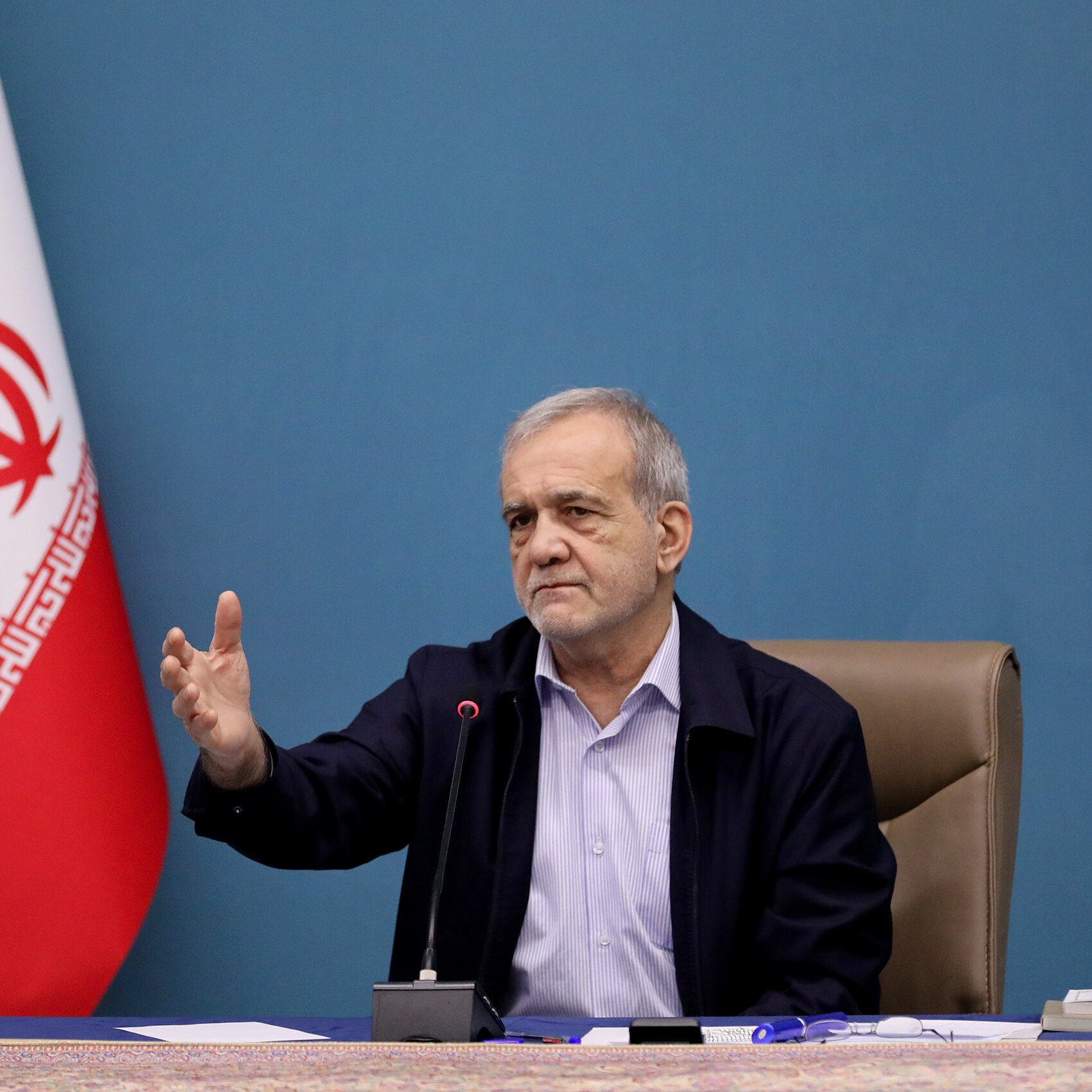
In a significant diplomatic and symbolic move amid escalating tensions between Iran and the United States, Iranian President Masoud Pezeshkian has released an open letter addressed directly to the American people. The message, which comes at a time of heightened military confrontation and geopolitical uncertainty, seeks to draw a clear distinction between governments and ordinary citizens, emphasizing that Iran harbors “no enmity” toward the people of America.
The letter has quickly drawn global attention—not only because of its tone of outreach but also due to its timing. It arrives against the backdrop of a rapidly intensifying conflict involving Iran, the United States, and Israel, raising questions about whether this communication represents a genuine attempt at de-escalation or a strategic move aimed at influencing public opinion in the West.
A Message to the American People
President Pezeshkian’s letter is notable for its direct appeal to ordinary Americans rather than to political leaders in Washington. In it, he clearly states that the Iranian people do not view Americans as enemies, challenging decades of entrenched hostility between the two nations.
He wrote that “the Iranian people harbor no enmity toward other nations, including the people of America,” reinforcing the idea that tensions exist at the governmental level rather than among citizens.
The message seeks to dismantle the long-standing narrative that Iran inherently views the United States as an adversary. Instead, Pezeshkian presents a perspective in which political conflicts and military actions have overshadowed what he describes as historically non-hostile relations between the two populations.
This framing is particularly important in the current climate, where perceptions and narratives play a crucial role in shaping international policy and public sentiment.
Timing: A Letter Amid War
The release of the letter is far from coincidental. It comes at a time when tensions between Iran and the United States have escalated dramatically, with military strikes, economic sanctions, and geopolitical maneuvering dominating headlines.
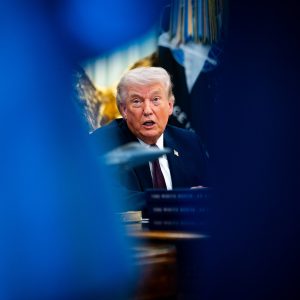
Reports indicate that the letter was issued just hours before a major address by U.S. President Donald Trump, highlighting its strategic timing.
The broader context includes ongoing military operations, disruptions in global oil supply, and rising fears of a wider regional war. In recent weeks, the conflict has intensified with airstrikes, missile attacks, and naval confrontations affecting multiple countries across the Middle East.
Against this volatile backdrop, Pezeshkian’s outreach appears to be an attempt to soften public perceptions and possibly influence the American audience at a critical moment.
Challenging the “Iran Threat” Narrative
A central theme of the letter is the rejection of the portrayal of Iran as a global threat. Pezeshkian argues that such narratives are not grounded in historical reality or present-day facts.
He suggests that the image of Iran as an aggressive nation has been shaped by political agendas rather than objective truth.
The Iranian president further claims that his country has not pursued expansionist or colonial ambitions in its modern history, instead positioning Iran as a nation that has often been on the receiving end of foreign intervention.
This assertion directly challenges longstanding Western concerns regarding Iran’s nuclear program, regional influence, and military activities.
Historical Grievances and Deep-Rooted Distrust
To explain the current tensions, Pezeshkian delves into historical events that have shaped Iran’s perception of the United States. One of the key references is the 1953 coup, which he describes as a turning point in bilateral relations.
According to the letter, this event marked the beginning of deep distrust, followed by decades of strained interactions, including U.S. support for the Shah, backing of Iraq during the Iran-Iraq War, and the imposition of economic sanctions.
He also points to more recent developments, including military actions and alleged “unprovoked aggression,” as factors that have further deteriorated relations.
By highlighting these grievances, the Iranian president aims to provide context for Iran’s current stance and to frame its actions as defensive rather than aggressive.
A Critique of U.S. Foreign Policy
Beyond historical context, the letter includes pointed criticism of U.S. foreign policy, particularly in the Middle East.
Pezeshkian questions the motivations behind American involvement in the region and suggests that U.S. actions are influenced by external interests, particularly those of Israel. He even goes so far as to accuse the United States of acting as a “proxy” for Israeli objectives.
This accusation is significant, as it reflects a broader Iranian narrative that U.S. policies in the Middle East are not solely driven by American interests but are shaped by alliances and geopolitical considerations.
The letter also raises concerns about the cost of these policies, both in terms of American lives and taxpayer money, appealing directly to U.S. citizens to question their government’s decisions.
A Call for Dialogue Over Conflict
Despite its आलोचना of U.S. policies, the letter ultimately advocates for dialogue and engagement rather than confrontation.
Pezeshkian urges both nations to pursue diplomacy and to seek common ground, emphasizing that continued conflict will only lead to further suffering and instability.
This call for engagement is particularly noteworthy given the current state of relations, which are marked by mutual distrust and limited direct communication.
The Iranian president’s appeal suggests a willingness—at least rhetorically—to explore diplomatic solutions, even as hostilities continue on the ground.
Distinguishing Between Governments and People
One of the most consistent themes throughout the letter is the distinction between governments and citizens.
Pezeshkian emphasizes that while Iran may have disagreements with U.S. leadership, it does not extend this hostility to the American people.
This distinction is a strategic one, as it allows Iran to criticize U.S. policies while simultaneously attempting to build goodwill among the American public.
It also reflects a broader diplomatic approach in which governments seek to bypass official channels and communicate directly with foreign populations.
Global Reactions and Interpretations
The letter has been met with mixed reactions from analysts and media outlets around the world.
Some view it as a genuine attempt at de-escalation, highlighting its conciliatory tone and emphasis on dialogue.
Others, however, see it as a strategic communication aimed at influencing public opinion and undermining support for U.S. policies.
Certain reports have even described the letter as “propaganda,” suggesting that it is part of a broader effort by Iran to reshape its image on the global stage.
This divergence in interpretation underscores the complexity of the situation and the challenges of assessing the true intent behind such communications.
The Broader Geopolitical Context
To fully understand the significance of the letter, it is essential to consider the broader geopolitical environment.
The Middle East is currently experiencing one of its most volatile periods in recent years, with multiple conflicts intersecting and influencing one another.
The Iran-U.S. tensions are not occurring in isolation but are part of a larger network of alliances, rivalries, and strategic interests involving countries such as Israel, Saudi Arabia, and various Gulf states.
The conflict has also had global repercussions, including disruptions to oil supply and rising energy prices, affecting economies worldwide.
Impact on Global Markets and Stability
The ongoing tensions have already begun to impact global markets, particularly in the energy sector.
With key shipping routes such as the Strait of Hormuz under threat, oil prices have surged, leading to increased costs for consumers and businesses around the world.
This economic dimension adds another layer of urgency to the situation, as prolonged conflict could have far-reaching consequences beyond the immediate region.
In this context, Pezeshkian’s call for dialogue takes on additional significance, as it highlights the potential benefits of de-escalation not just for the involved countries but for the global economy.
Diplomatic Significance
From a diplomatic perspective, the letter represents an unconventional approach to international communication.
By addressing the American people directly, Pezeshkian is attempting to bypass traditional diplomatic channels and engage with a broader audience.
This strategy reflects a growing trend in international relations, where leaders use public messaging to influence foreign populations and shape global narratives.
While the effectiveness of this approach remains uncertain, it underscores the importance of communication in modern diplomacy.
This article may be prepared with the assistance of artificial intelligence (AI) and is reviewed before publication. While we aim for accuracy and timeliness, readers should verify important facts from official or primary sources. If you believe any information is inaccurate or that any content infringes your rights, please contact ainewsbreaking.com for review and appropriate action.