
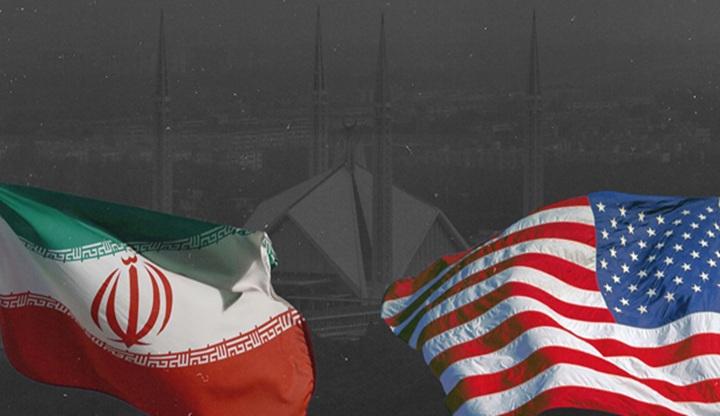
Iran Sets ‘Red Line’ for US Talks, Demands ‘America First’ Approach Over ‘Israel First’
A fragile ceasefire hangs in the balance as high-level delegations from Iran and the United States convene in Islamabad for critical negotiations to stabilize the region. At the heart of these talks lies a pivotal development announced by Iran’s Vice President, who made it clear that any potential deal depends on the presence of representatives who share an ‘America First’ approach. In a stark warning, the Vice President stated that engagement with those who prioritize ‘Israel First’ will be met with a firm ‘no deal.’
This development comes as Pakistani Prime Minister Sharif has characterized the negotiations as a make-or-break opportunity. With a window of just 15 days for a diplomatic resolution, the stakes are higher than ever. The clock is ticking, and the pressure is mounting on all parties involved to strike a balance that can bring lasting peace to the region.
Iran’s Vice President emphasized that the ‘America First’ stance is non-negotiable, signifying that the focus must remain on American interests rather than foreign policy considerations. This stance is a clear indicator of Iran’s resolve to ensure that any deal made in Islamabad does not favor external interests over those of the US.
The significance of these talks cannot be overstated, given the precarious state of the region. A failure to reach a mutually acceptable agreement will put the fragile ceasefire at risk, potentially plunging the area into chaos. The burden of finding a solution weighs heavily on the shoulders of the diplomatic delegation in Islamabad.
Pakistani Prime Minister Sharif stressed that these talks represent a crucial moment for the future of regional stability. His call for a 15-day window for a diplomatic resolution highlights the urgency with which this matter must be addressed. As tensions continue to rise, the outcome of the Islamabad talks will send a clear signal about the prospects of lasting peace in the region.
The talks in Islamabad come at a pivotal moment in the complex web of international relations surrounding the region. The outcome of this meeting will have far-reaching implications for regional stability, and the international community will be watching with bated breath as the negotiations unfold.
This article may be prepared with the assistance of artificial intelligence (AI) and is reviewed before publication. While we aim for accuracy and timeliness, readers should verify important facts from official or primary sources. If you believe any information is inaccurate or that any content infringes your rights, please contact ainewsbreaking.com for review and appropriate action.