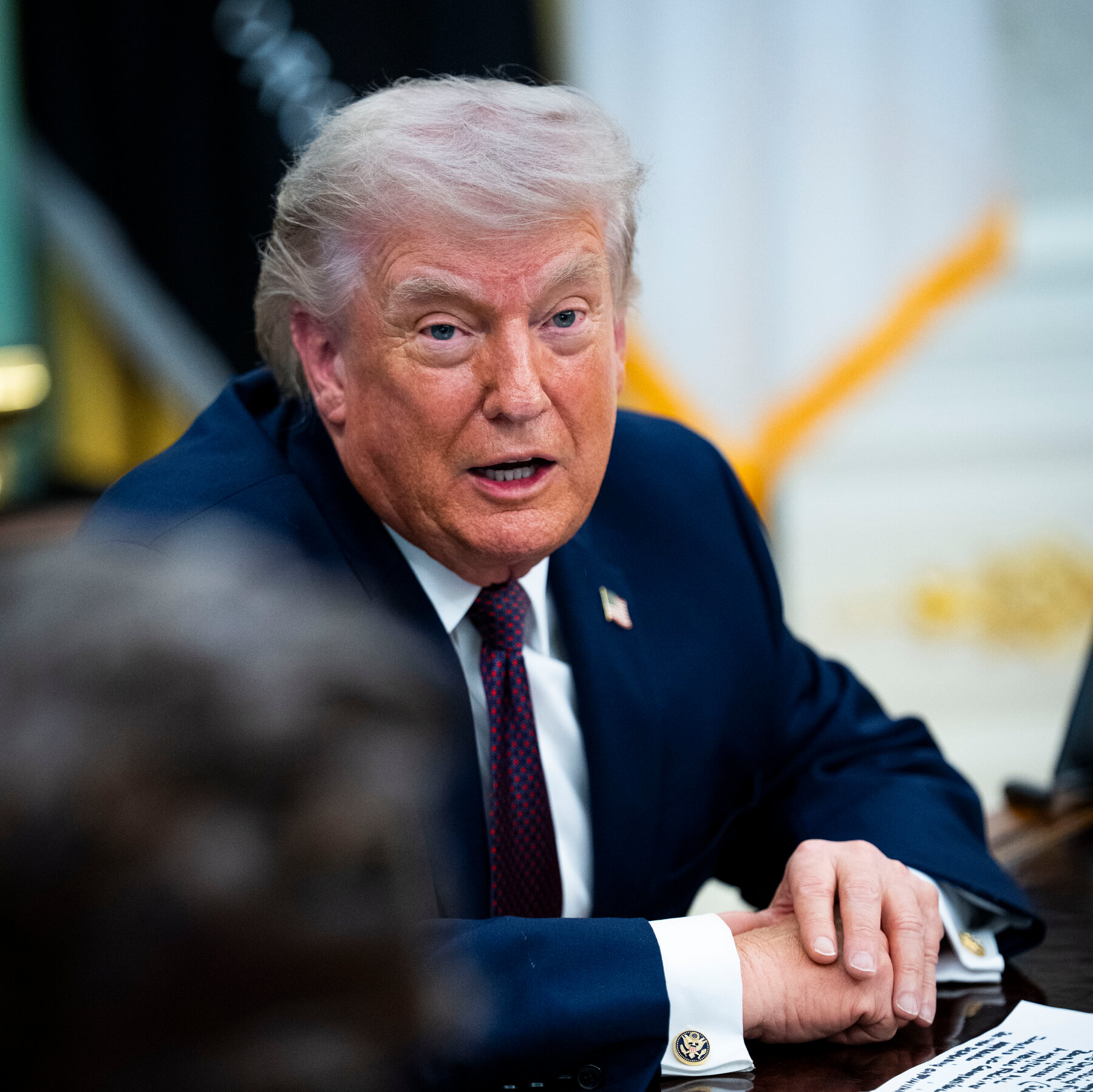
Trump Moves Deadline for Iran to Open Strait of Hormuz, Escalating Global Tensions
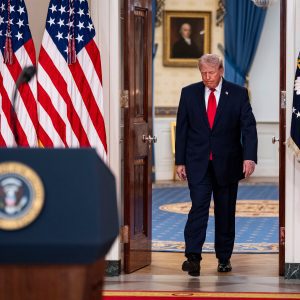
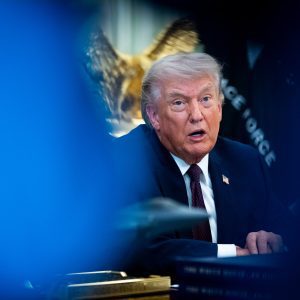
In a dramatic escalation of the ongoing U.S.–Iran conflict, former U.S. President Donald Trump has extended the deadline for Iran to reopen the Strait of Hormuz to Tuesday evening, intensifying pressure on Tehran and raising fears of a broader regional war.
🔴 Deadline Shift Signals Rising Stakes
Initially expected earlier, Trump’s ultimatum was pushed to Tuesday night (around 8:00 p.m. ET), giving Iran additional time to comply with U.S. demands to restore shipping through the critical maritime chokepoint.
The revised deadline comes with a stark warning: failure to reopen the strait could trigger U.S. strikes on key Iranian infrastructure, including power plants and bridges.
Trump has reinforced the seriousness of the deadline publicly, calling it “final” and stating that Iran’s latest proposals, while “significant,” are “not good enough.”
🌍 Why the Strait of Hormuz Matters
The Strait of Hormuz is one of the world’s most strategically vital energy corridors, handling roughly 20% of global oil shipments.
Since the outbreak of the 2026 Iran war, Iran has effectively restricted passage through the strait, causing:
- A near collapse in tanker traffic
- Sharp spikes in global oil prices
- Major disruptions to international energy supply chains
As of now, oil markets remain on edge, with prices staying elevated amid uncertainty over whether the strait will reopen.
⚠️ War Rhetoric and Military Threats
Trump’s rhetoric has become increasingly aggressive. In public statements and social media posts, he warned that if Iran fails to comply, “there will be nothing like it” in terms of U.S. retaliation.
Reports indicate that potential targets include:
- Energy infrastructure
- Transport networks
- Civilian-linked facilities
Such threats have drawn criticism from legal experts, who warn that targeting civilian infrastructure could violate international law.
🇮🇷 Iran’s Defiant Response
Tehran has rejected the deadline outright, dismissing Trump’s demands and signaling it will not negotiate under pressure.
Iranian officials have:
- Mocked the ultimatum
- Warned of “devastating and widespread” retaliation if attacked
- Continued limited negotiations through intermediaries
In some cases, Iran has selectively allowed certain countries access to the strait, underscoring its leverage in the crisis.
💣 Risk of Wider Conflict
The standoff has already expanded beyond rhetoric:
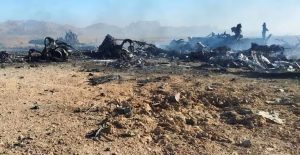
- Drone strikes and counterattacks have hit infrastructure in the region
- Military engagements continue in and around Iran
- Global powers are closely monitoring the situation
Analysts warn that if the deadline passes without agreement, the conflict could escalate into:
- A full-scale regional war
- Severe disruptions to global oil markets
- Broader geopolitical instability
🤝 Diplomatic Efforts Still Alive
Despite the escalating threats, diplomatic channels remain open. Mediators from countries like Egypt, Pakistan, and Turkey have proposed:
- A temporary ceasefire (around 45 days)
- Partial reopening of the strait
However, Iran has insisted on a permanent resolution, while Trump continues to demand immediate compliance.
📊 What Happens Next?
With the new Tuesday deadline approaching, the world faces a critical moment:
- If Iran complies:
Oil flows could stabilize, easing global economic pressure - If Iran refuses:
U.S. military action could trigger a major escalation - If negotiations succeed:
A temporary truce may prevent immediate conflict—but tensions will remain
This article may be prepared with the assistance of artificial intelligence (AI) and is reviewed before publication. While we aim for accuracy and timeliness, readers should verify important facts from official or primary sources. If you believe any information is inaccurate or that any content infringes your rights, please contact ainewsbreaking.com for review and appropriate action.