Iran Tensions Escalate as IRGC Spokesperson Warns of Forceful Response to US Military Presence
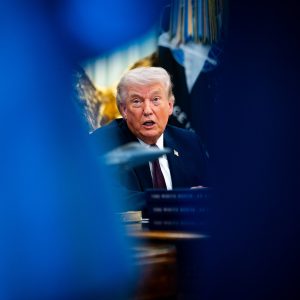
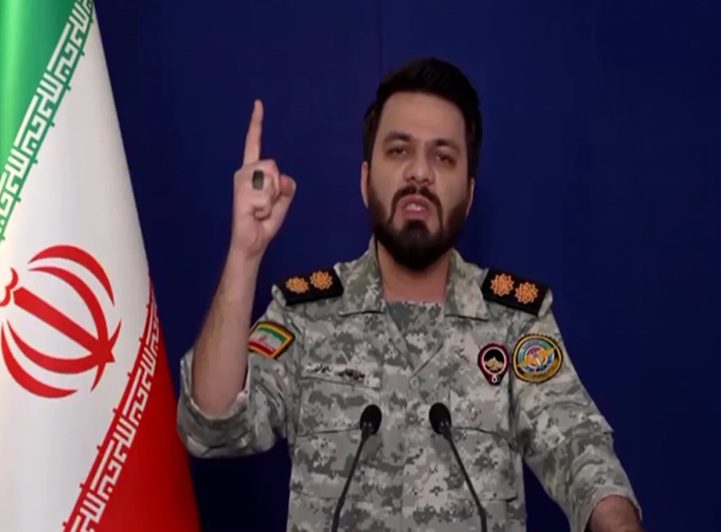
In a significant escalation of tensions between Iran and the United States, a senior spokesperson for the Islamic Revolutionary Guard Corps (IRGC) has issued a stark warning to US forces stationed in the region. On Tuesday, IRGC spokesperson Brigadier General Ramezan Sharif vowed to employ the full might of the Iranian military to counter any perceived threats from the United States, effectively rejecting the looming deadline set by former US President Donald Trump to dismantle Iran’s nuclear program.
The IRGC is a branch of the Iranian Armed Forces that has been instrumental in shaping the country’s military strategy. Brigadier General Sharif’s statement comes as a response to the US’s continued military presence in the region, which Iran views as an ongoing provocation. The statement suggests that Iran is unlikely to compromise on its nuclear ambitions and is prepared to counter any US military action with force.
This development follows a series of escalating tensions between the two nations in recent months, including a high-profile showdown in January at the United Nations General Assembly, where Trump accused Iran of being the “world’s leading sponsor of terrorism.” Iran has consistently rejected such claims, portraying itself as a victim of US aggression.
Tensions have also been fueled by recent US Congressional actions, which have seen lawmakers pushing to re-impose economic sanctions on Iran. In response, the Iranian government has accused the US of attempting to sabotage its economic recovery and undermining regional stability.
While the US has not directly commented on Brigadier General Sharif’s statement, experts suggest that the US military presence in the region will likely continue, given the strategic importance of the region to global security and trade.
The fate of the Iranian nuclear program and the continued US military presence in the Middle East remain crucial factors in regional geopolitics, with both nations holding strong positions on these issues. In a region where diplomatic channels have been strained, the prospects for de-escalation appear remote, at least in the immediate term.
Iran has maintained a long-standing position that its nuclear program is for peaceful purposes, while the US has been pushing for stricter international controls on the country’s nuclear activities. The ongoing impasse in negotiations has created an environment of heightened tension that could be volatile if not skillfully managed.
This article may be prepared with the assistance of artificial intelligence (AI) and is reviewed before publication. While we aim for accuracy and timeliness, readers should verify important facts from official or primary sources. If you believe any information is inaccurate or that any content infringes your rights, please contact ainewsbreaking.com for review and appropriate action.