
Iran Cease-Fire Hangs in Balance as Tensions Escalate in Strait of Hormuz and Lebanon
A fragile cease-fire between Iran and its regional adversaries is facing significant challenges on its second day, with key concerns surrounding the Strait of Hormuz and a surge in violence in Lebanon. The Strait of Hormuz, a critical waterway that connects the Persian Gulf to the Gulf of Oman, has seen no oil or gas tankers cross since the truce took effect, marking a significant departure from the typical high volume of maritime traffic in this area. This development has raised fears of potential disruptions to the global energy market, which could have far-reaching economic consequences.
The Strait of Hormuz is a vital artery for global oil and gas exports, and the current halt in tanker traffic is being closely monitored by the international community. The situation is further complicated by the fact that the Strait is a critical chokepoint, with a significant portion of the world’s oil supply passing through it. Any disruption to traffic in the area could have significant implications for the global economy.
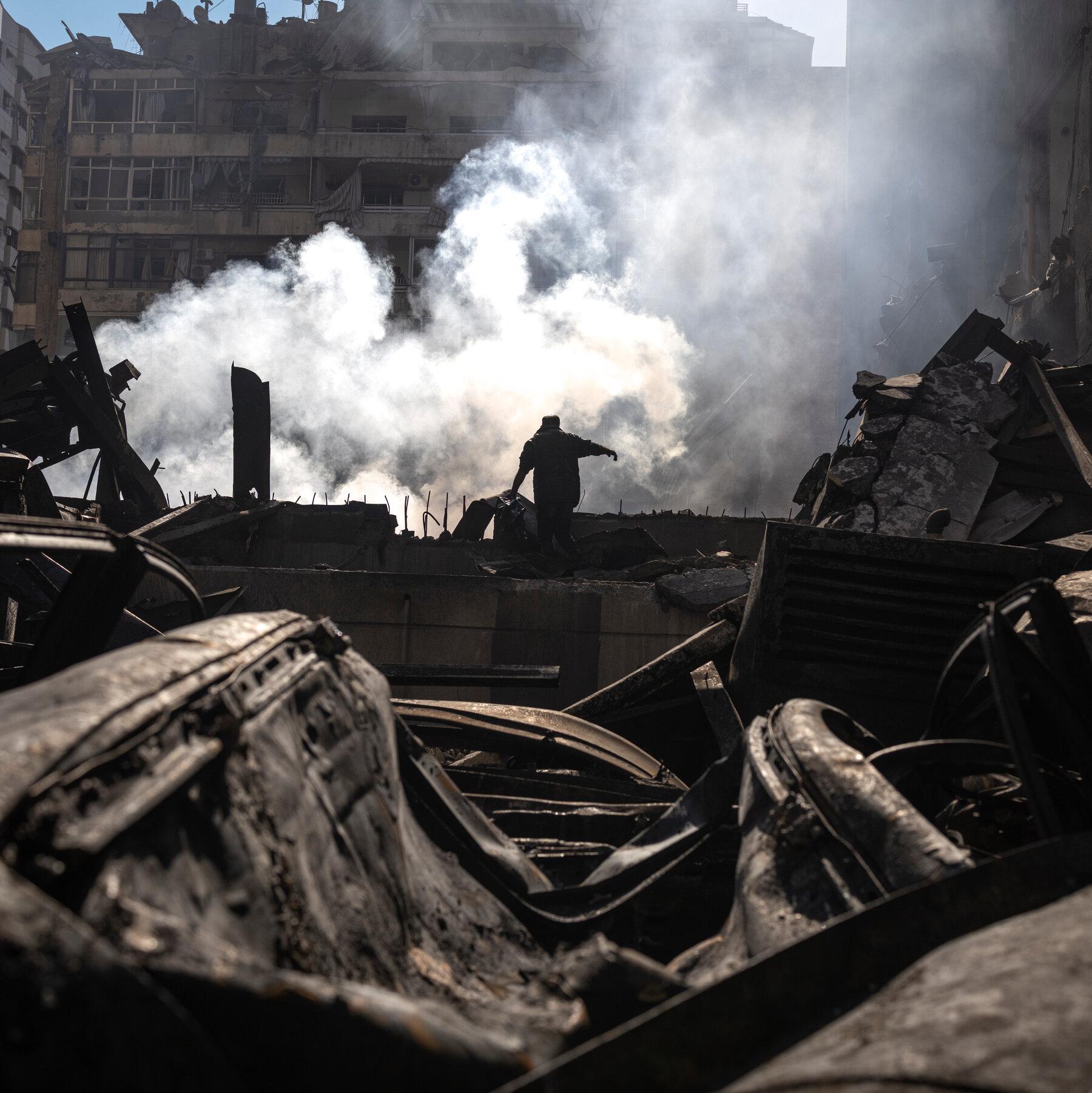
In addition to the concerns surrounding the Strait of Hormuz, the situation in Lebanon is also causing concern. The Iranian-backed Shia militant group Hezbollah announced that it was firing rockets at Israel early on Thursday morning, marking an escalation of violence in the area. This development has raised concerns about a wider escalation of violence in the region, and the international community is urging all parties involved to exercise restraint.
The exact nature and scope of the latest violence between Israel and Lebanon’s Hezbollah remain unclear, but reports of airstrikes and rocket attacks along the Lebanon-Israel border have been on the rise in recent days. This has sparked worries about the safety of civilians across the region, particularly in Lebanon, which is already grappling with a deepening economic crisis. Widespread protests and unrest have contributed to an increasingly volatile environment in the country.
The international community is closely monitoring the situation and has urged all parties involved to abide by the terms of the ongoing cease-fire. As the situation hangs precariously in the balance, concerns about the long-term stability of the region have only intensified. The current cease-fire is fragile, and any further escalation of violence could have significant consequences for the region and the global economy.
The situation in the Middle East is complex and multifaceted, with a range of factors contributing to the current tensions. The international community is working to de-escalate the situation and promote a lasting peace, but the road ahead is likely to be challenging. As the situation continues to unfold, one thing is clear: the region is at a critical juncture, and the actions of the parties involved will have significant implications for the future.
As this is a developing story, the situation is likely to continue to evolve in the coming days and weeks. The international community will be closely watching the situation, and any further developments will be carefully monitored and reported. For now, the focus remains on promoting a lasting peace and stability in the region, and averting any further escalation of violence.
This article may be prepared with the assistance of artificial intelligence (AI) and is reviewed before publication. While we aim for accuracy and timeliness, readers should verify important facts from official or primary sources. If you believe any information is inaccurate or that any content infringes your rights, please contact ainewsbreaking.com for review and appropriate action.