Iran War Causes Biggest Oil Supply Disruption in History, Says International Energy Agency
Global Energy Markets Face Historic Shock
The ongoing war involving Iran has triggered what energy experts are calling the largest oil supply disruption in modern history, according to the International Energy Agency (IEA). The crisis has sent shockwaves through global energy markets, pushing oil prices sharply higher and forcing governments to activate emergency reserves to stabilise supply.
The disruption has been driven primarily by escalating military tensions in the Persian Gulf region, particularly near the critical Strait of Hormuz, through which a significant portion of the world’s oil supply normally passes.
Energy analysts warn that the scale of the disruption could have wide-ranging consequences for the global economy, including rising fuel prices, supply shortages, and renewed inflationary pressures.
IEA Warns of Unprecedented Supply Shock
According to the International Energy Agency, global oil markets are facing an “unprecedented disruption” due to the conflict. Oil production across key Gulf countries has been severely curtailed as shipping routes remain threatened and infrastructure has come under attack.
The agency estimates that global oil production could fall by around 8 million barrels per day in March 2026, representing a decline of more than 7% compared with the previous month. (Financial Times)
The disruption is particularly severe in major oil-producing countries across the Persian Gulf, including Iraq, Kuwait, Qatar, Saudi Arabia, and the United Arab Emirates.
Some energy facilities and export terminals have also been damaged or temporarily shut down due to military activity and security risks.
Strait of Hormuz Disruption at the Center of Crisis
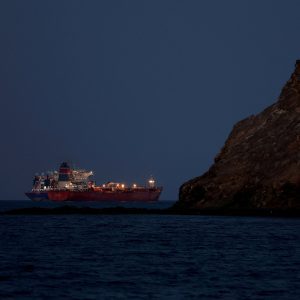
A major factor behind the supply shock is the disruption of tanker traffic through the Strait of Hormuz.
This narrow maritime corridor is one of the most important energy chokepoints in the world. Roughly 20% of global oil and gas shipments normally pass through the strait each day.
However, military tensions, attacks on commercial vessels, and fears of mines or drone strikes have forced many shipping companies to halt operations in the region.
Industry estimates suggest that nearly 20 million barrels of oil per day could be affected by disruptions to shipments through the strait. (https://www.oneindia.com/)
The shutdown of this route has severely reduced global oil flows and triggered widespread market volatility.
Oil Prices Surge Amid Supply Fears
Global oil prices have reacted strongly to the escalating conflict.
Benchmark crude prices briefly surged above $100 per barrel, while U.S. crude and Brent oil both recorded sharp gains amid fears that the crisis could worsen. (MarketWatch)
Energy traders and financial institutions warn that oil prices could climb even higher if the conflict continues to disrupt shipping lanes and production facilities.
Higher energy prices are already beginning to affect global markets, including:
- Rising gasoline and diesel prices
- Increased transportation and manufacturing costs
- Pressure on global stock markets
- Renewed inflation concerns
For many countries, especially those heavily dependent on imported energy, the situation poses a serious economic challenge.
Emergency Oil Reserves Released
In response to the crisis, the International Energy Agency has announced a historic emergency action.
The agency’s 32 member countries have agreed to release 400 million barrels of oil from strategic reserves, the largest coordinated release in the organization’s history. (IEA)
The move is designed to stabilise global markets and prevent severe shortages while governments work to restore shipping routes and production capacity.
The release is more than double the scale of the coordinated reserve release carried out in 2022 following the Russia-Ukraine conflict.
IEA Executive Director Fatih Birol said the coordinated action reflects the extraordinary scale of the disruption.
According to Birol, global cooperation is essential because energy markets are deeply interconnected and supply shocks can quickly spread across continents.
Limited Short-Term Relief
Despite the massive release of emergency reserves, energy experts caution that the measure may only provide temporary relief.
Strategic reserves are intended to cushion short-term disruptions but cannot fully replace lost production if the conflict continues for an extended period.
Another challenge is the time required to transport oil from reserves to refineries and markets, particularly in Asia where demand is highest.
Some analysts warn that if shipping through the Strait of Hormuz remains blocked for weeks or months, the global energy market could face prolonged instability.
Global Economic Impact
The oil shock triggered by the Iran war is already beginning to ripple through the global economy.
Higher energy prices could:
- Increase inflation in many countries
- Raise transportation and manufacturing costs
- Slow economic growth
- Trigger volatility in financial markets
Energy-importing countries across Asia and Europe are particularly vulnerable to supply disruptions from the Middle East.
Governments are closely monitoring the situation and preparing contingency measures to protect domestic fuel supplies.
Alternative Routes and Production
Some oil-producing countries have attempted to mitigate the disruption by rerouting exports through alternative ports and pipelines.
For example, certain Gulf producers have increased shipments through western ports outside the Persian Gulf or through pipelines that bypass the Strait of Hormuz.
However, these alternative routes have limited capacity and cannot fully replace the massive volume of oil normally shipped through the strait.
As a result, global supply remains significantly constrained.
Uncertain Outlook for Energy Markets
The future of global oil markets now depends heavily on how the conflict evolves.
If tensions ease and shipping routes reopen, supply could gradually recover and prices may stabilise.
However, if military activity continues or expands, the disruption could deepen and trigger a prolonged global energy crisis.
Energy analysts say the current situation represents one of the most serious tests of global energy security since the oil crises of the 1970s.
This article may be prepared with the assistance of artificial intelligence (AI) and is reviewed before publication. While we aim for accuracy and timeliness, readers should verify important facts from official or primary sources. If you believe any information is inaccurate or that any content infringes your rights, please contact ainewsbreaking.com for review and appropriate action.