Iran War Live Updates: Israel Launches Major Strikes on Iran as Trump Urges Global Action to Protect Strait of Hormuz
The Middle East crisis continues to intensify as Israel expands its military strikes against Iranian targets while U.S. President Donald Trump calls on major world powers to help secure the strategically vital Strait of Hormuz. The waterway—through which roughly 20% of the world’s oil supply passes—has become the center of a rapidly escalating geopolitical confrontation that now threatens global energy markets and regional stability.
Here are the latest developments in the Iran war and the growing international response.
Israel Expands Airstrikes Across Iran
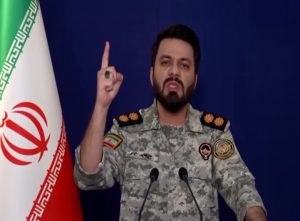
Israel has announced that it is broadening its military campaign against Iranian infrastructure and military installations. According to Israeli military officials, the new wave of operations targets command centers belonging to Iran’s Islamic Revolutionary Guard Corps (IRGC) and affiliated paramilitary forces.
The Israeli Defense Forces (IDF) say the objective is to destroy the command structure that coordinates attacks against Israel and its allies across the Middle East. Military spokespersons indicated that thousands of potential targets remain and that operations could continue for several weeks.
Israeli leaders argue that Iran’s network of missile bases, drone launch facilities, and regional proxies poses an existential threat. The latest strikes reportedly hit sites in western and central Iran, intensifying the already devastating conflict.
Iran, meanwhile, has vowed retaliation and warned neighboring countries against supporting Israeli or U.S. military operations.
Trump Calls for Global Naval Coalition
Amid rising tensions, U.S. President Donald Trump has urged a coalition of countries to deploy warships to protect shipping routes through the Strait of Hormuz.
Trump said the United States is in talks with roughly seven nations about joining a multinational effort to escort oil tankers and commercial vessels through the strait safely.
Countries believed to be under pressure to join the coalition include:
- United Kingdom
- France
- Japan
- South Korea
- China
These nations rely heavily on Middle Eastern oil shipments passing through the strait.
Trump argued that nations benefiting from Gulf energy exports should share responsibility for keeping the shipping corridor open.
“Countries that benefit from the strait should help make sure it stays open and safe,” Trump said in comments about the proposed naval coalition.
However, several governments have responded cautiously, saying they are considering options but have not yet committed forces.
Strait of Hormuz: Why It Matters
The Strait of Hormuz is one of the most critical maritime chokepoints in the world.
Key facts about the strait:
- About 18–19 million barrels of oil per day pass through it.
- That represents around 20% of global oil consumption.
- Major exporters like Saudi Arabia, Iraq, Kuwait, and the UAE rely on the route for energy shipments.
Because of this dependence, even minor disruptions in the strait can trigger major global energy price shocks.
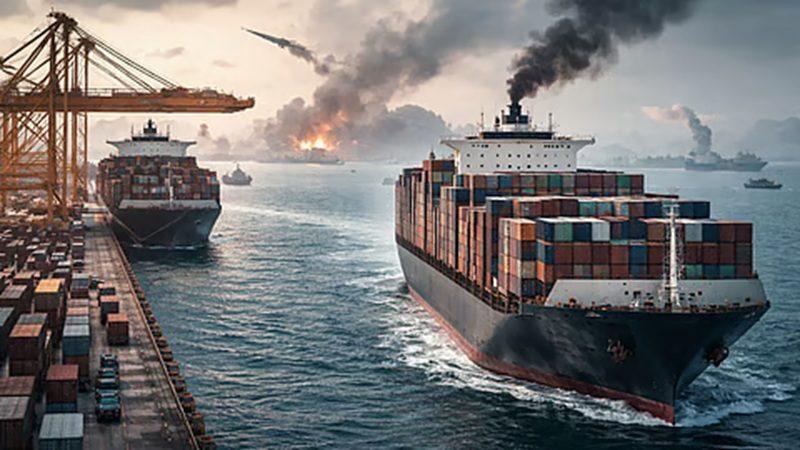
Since the current war escalated, Iranian forces have reportedly restricted or attacked vessels passing through the channel, causing widespread shipping disruptions and insurance costs to spike.
Iran Threatens Long War
Iranian officials say the country is prepared for a prolonged conflict and deny seeking any ceasefire negotiations with the United States.
Tehran insists the war was provoked by U.S. and Israeli attacks on Iranian territory, including a major bombing raid on Kharg Island, one of Iran’s most important oil export hubs.
The U.S. military said the strike targeted more than 90 military sites, including missile storage facilities and naval mine depots used to threaten shipping lanes.
Iranian authorities have warned that if its oil infrastructure is targeted, the country could retaliate against energy facilities across the Gulf region.
Regional Conflict Spreads
The conflict has already expanded beyond Iran and Israel, affecting several countries across the Middle East.
Recent incidents include:
- Missile strikes near Baghdad International Airport
- Drone incidents near Dubai’s airport area
- Attacks on U.S. military bases in Gulf states
- Rising clashes involving proxy militias in Lebanon and Iraq
These events highlight the risk that the war could escalate into a broader regional conflict involving multiple countries.
Global Oil Prices Surge
The war has already triggered sharp volatility in energy markets.
Oil prices surged past $100 per barrel, reflecting fears that prolonged disruption in the Strait of Hormuz could choke global supply chains.
To stabilize markets, international energy agencies are discussing the possible release of strategic petroleum reserves.
Analysts warn that if the strait remains closed for weeks, the world could face:
- Fuel shortages
- Higher inflation
- Economic slowdowns in major economies
Countries in Asia, particularly China, India, Japan, and South Korea, are especially vulnerable due to their heavy reliance on Gulf oil imports.
Europe Calls for De-escalation
Several European leaders have urged restraint.
French President Emmanuel Macron called on Iran to halt attacks in the region and restore freedom of navigation in the Strait of Hormuz.
Macron also emphasized the need for a broader diplomatic framework addressing:
- Iran’s nuclear program
- Ballistic missile development
- Regional proxy conflicts
European governments fear the crisis could trigger another global economic shock similar to previous oil crises.
Growing Naval Presence in the Gulf
Naval deployments in the region are rapidly increasing.
Reports indicate that several countries are positioning ships near the Persian Gulf to monitor the situation and protect shipping lanes.
China has already mobilized naval assets from its overseas base in Djibouti, while Russia is also observing developments closely.
Military analysts warn that the presence of multiple rival navies in such a confined maritime corridor increases the risk of accidental clashes or miscalculation.
Humanitarian Concerns Rise
Beyond geopolitical tensions, the war is also creating a growing humanitarian crisis.
Airstrikes and missile attacks have caused:
- Hundreds of civilian casualties
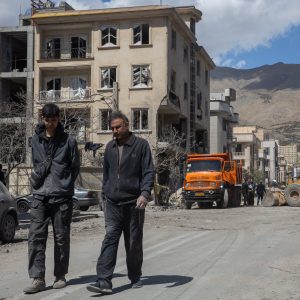
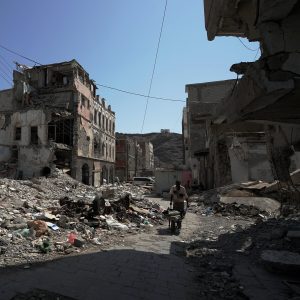
- Widespread infrastructure damage
- Displacement in parts of Iran, Lebanon, and neighboring regions
International organizations are calling for humanitarian corridors and emergency aid funding to help affected populations.
This article may be prepared with the assistance of artificial intelligence (AI) and is reviewed before publication. While we aim for accuracy and timeliness, readers should verify important facts from official or primary sources. If you believe any information is inaccurate or that any content infringes your rights, please contact ainewsbreaking.com for review and appropriate action.