Iran War LIVE: US Bases Will Be Attacked Unless Closed, Warns Khamenei
Mojtaba Khamenei Warns US Bases Will Be Attacked Unless They Shut Down, Strait of Hormuz to Stay Closed
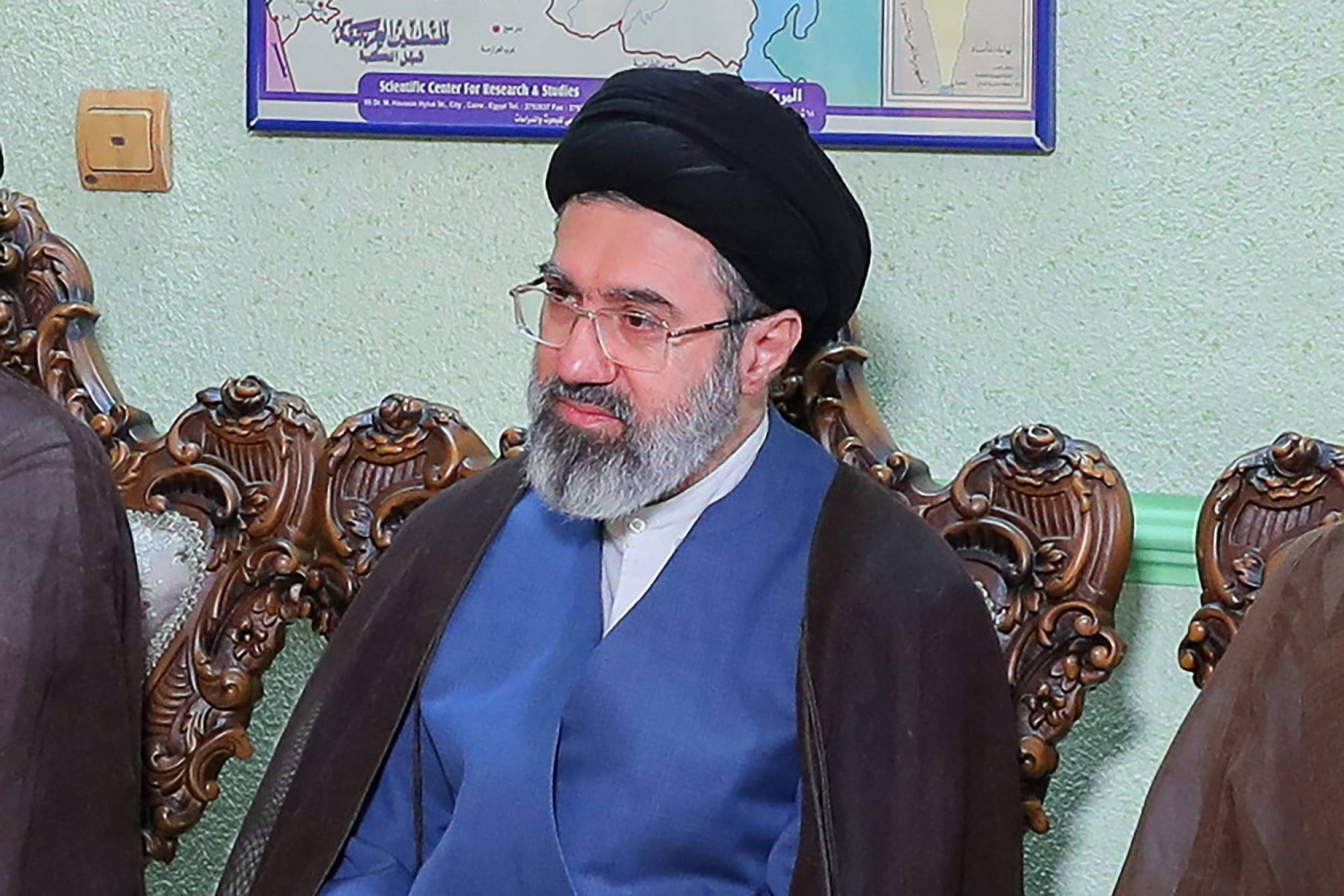
Tensions in the Middle East have escalated dramatically after Iran’s new Supreme Leader, Mojtaba Khamenei, warned that all United States military bases in the region must shut down or face potential attacks. The warning came in his first public statement since taking power amid the ongoing war involving Iran, the United States, and Israel.
The statement signals a major escalation in the conflict and raises fears that the war could expand across the Middle East, potentially targeting U.S. forces stationed in multiple countries.
Khamenei Issues Stark Warning to the United States
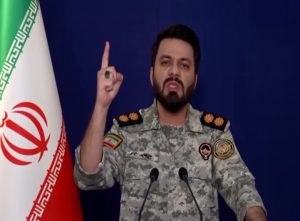
In a message broadcast on Iranian state television, Mojtaba Khamenei declared that U.S. military installations in the Middle East represent legitimate targets unless they are closed immediately.
He warned that American bases across the region could be attacked as part of Iran’s retaliation against the U.S.-Israel military campaign launched earlier this year.
Khamenei also vowed to avenge the deaths of Iranian leaders and civilians killed in recent airstrikes, signaling that Tehran intends to continue fighting despite international calls for de-escalation.
His statement marked the first major policy message since he succeeded his father, Ali Khamenei, who was killed during U.S.-Israeli strikes in late February.
Strait of Hormuz to Remain Closed
Alongside the threat against U.S. bases, Khamenei also said the strategic Strait of Hormuz should remain closed to pressure Iran’s adversaries.
The Strait of Hormuz is one of the world’s most important energy chokepoints, through which roughly one-fifth of global oil supply normally passes.
Iran’s attempts to restrict shipping in the waterway have already caused major disruption to global energy markets and pushed oil prices above $100 per barrel.
Experts warn that prolonged closure of the strait could trigger a global energy crisis.
War Intensifies Across the Middle East
The ongoing conflict began after coordinated military strikes by the United States and Israel targeted Iranian nuclear and military facilities on February 28.
Iran responded with missile and drone attacks on multiple targets across the region, including U.S. bases and energy infrastructure in Gulf countries.
The conflict has since expanded across several countries:
- Missile attacks reported near U.S. facilities in Gulf states
- Drone strikes on oil terminals and shipping routes
- Hezbollah launching rockets into Israel
- Israeli airstrikes hitting targets in Lebanon and Iran
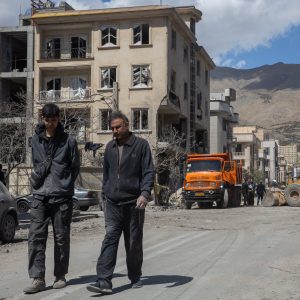
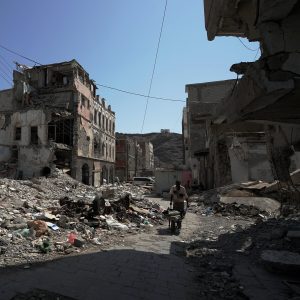
More than 2,000 people have reportedly been killed since the conflict began, and millions have been displaced inside Iran due to heavy bombardment.
U.S. Bases Across the Region at Risk
The United States maintains dozens of military installations across the Middle East, including in countries such as:
- Bahrain
- Qatar
- Kuwait
- Iraq
- Saudi Arabia
- United Arab Emirates
These bases are critical for U.S. military operations in the region, but they are also vulnerable to missile and drone attacks from Iranian forces or allied militias.
Iranian officials have repeatedly stated that these bases could become primary targets if the war continues.
Oil Markets and Global Economy Under Pressure
The conflict has already triggered one of the biggest energy supply disruptions in modern history, according to the International Energy Agency.
Oil prices surged sharply after tanker attacks and shipping disruptions in the Persian Gulf.
Energy analysts warn that if the Strait of Hormuz remains blocked and regional fighting intensifies, crude prices could climb even higher, possibly approaching $200 per barrel.
The energy shock is expected to affect economies worldwide, increasing fuel costs and inflation.
Trump’s Response to the Escalation
U.S. President Donald Trump has continued to defend the military campaign against Iran, saying the operations are necessary to dismantle Iran’s missile and nuclear programs.
However, critics say the conflict risks expanding into a wider regional war that could involve multiple countries and destabilize global energy markets.
Trump previously argued that higher oil prices could actually benefit the U.S. economy because the country is one of the world’s largest oil producers.
Fears of a Wider Regional War
Security analysts say Khamenei’s threat against U.S. bases could significantly widen the conflict if Iran begins targeting American forces across the Middle East.
Such attacks could trigger direct military retaliation from the United States, raising the risk of a prolonged regional war.
Diplomatic efforts are underway by several countries to prevent further escalation, but so far there has been little sign of a ceasefire.
This article may be prepared with the assistance of artificial intelligence (AI) and is reviewed before publication. While we aim for accuracy and timeliness, readers should verify important facts from official or primary sources. If you believe any information is inaccurate or that any content infringes your rights, please contact ainewsbreaking.com for review and appropriate action.