Iran War Sparks Global Fertilizer Price Surge, Fueling Food Cost Concerns
The ongoing conflict in Iran has sent shockwaves through the global agricultural market, driving up fertilizer prices and sparking concerns about the potential impact on food costs worldwide. As the situation in Iran continues to unfold, the effects of the war are being felt across the globe, with fertilizer prices increasing significantly due to disruptions in supply chains and trade routes. This development has raised fears that the cost of food could rise in the coming months, affecting millions of people around the world.
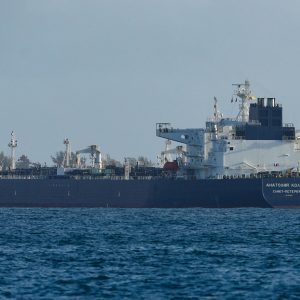
The global fertilizer market has been hit hard by the conflict, with key fertilizer-producing countries such as China, the United States, and Russia feeling the effects of the supply chain disruptions. The war has blocked major trade routes, limiting the ability of countries to export and import fertilizers, which are crucial for crop production. As a result, fertilizer prices have skyrocketed, with some reports indicating that prices have increased by as much as 20% in recent weeks.
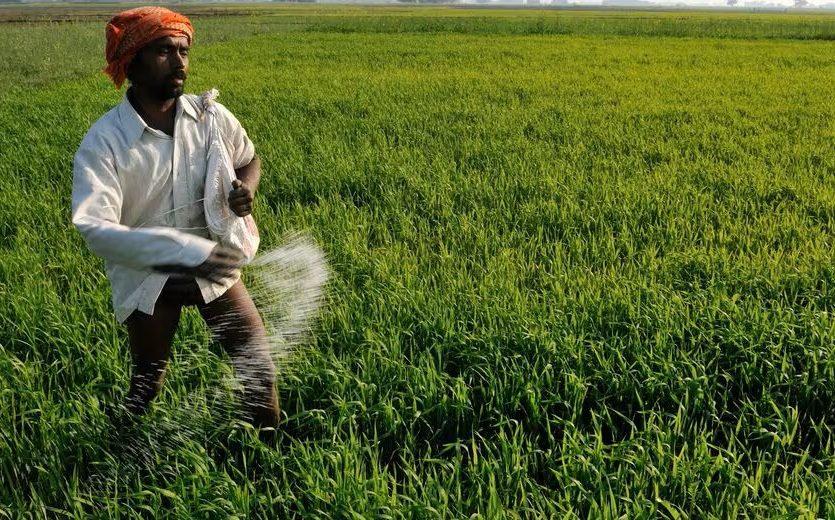
The impact of the fertilizer price surge is being felt by farmers and agricultural producers around the world. Many are struggling to absorb the increased costs, which could lead to reduced crop yields and lower profits. This, in turn, could lead to food shortages and higher prices for consumers. The United Nations Food and Agriculture Organization has warned that the conflict in Iran could have far-reaching consequences for global food security, particularly in regions that rely heavily on imported fertilizers.
The conflict in Iran has also led to a significant increase in energy prices, which is further exacerbating the fertilizer price crisis. Many fertilizer production facilities rely on energy-intensive processes, and the rise in energy costs is making it even more expensive to produce fertilizers. This perfect storm of supply chain disruptions, trade route blockages, and energy price increases has created a difficult environment for fertilizer producers and consumers alike.
As the situation in Iran continues to evolve, the global agricultural community is watching with bated breath. The potential for further disruptions to fertilizer supplies and trade routes remains high, and the consequences for food prices and global food security could be severe. Governments, international organizations, and agricultural industry leaders are working to mitigate the effects of the crisis, but it remains to be seen how effective these efforts will be in the coming months.
The long-term implications of the fertilizer price surge are also a major concern. If prices remain high for an extended period, it could lead to changes in agricultural production patterns, with some farmers opting to plant less fertilizer-intensive crops or reducing their crop yields. This could have significant consequences for food availability and prices in the years to come, particularly in regions that are already vulnerable to food insecurity.
In response to the crisis, some countries are exploring alternative fertilizer sources and production methods. For example, researchers are looking into the potential of organic fertilizers and other sustainable alternatives to traditional fertilizers. While these efforts are still in their early stages, they could potentially provide a long-term solution to the fertilizer price crisis and help reduce the environmental impact of fertilizer production.
As the world watches the situation in Iran unfold, one thing is clear: the consequences of the conflict will be felt far beyond the region. The global fertilizer market, and indeed the global food system, will be impacted for months to come.
This article may be prepared with the assistance of artificial intelligence (AI) and is reviewed before publication. While we aim for accuracy and timeliness, readers should verify important facts from official or primary sources. If you believe any information is inaccurate or that any content infringes your rights, please contact ainewsbreaking.com for review and appropriate action.