Iran War Sparks Panic Buying in Pakistan: Long Queues at Fuel Stations as Petrol Prices Surge and Supply Fears Grow
Panic at Pakistan Fuel Stations Over Iran War
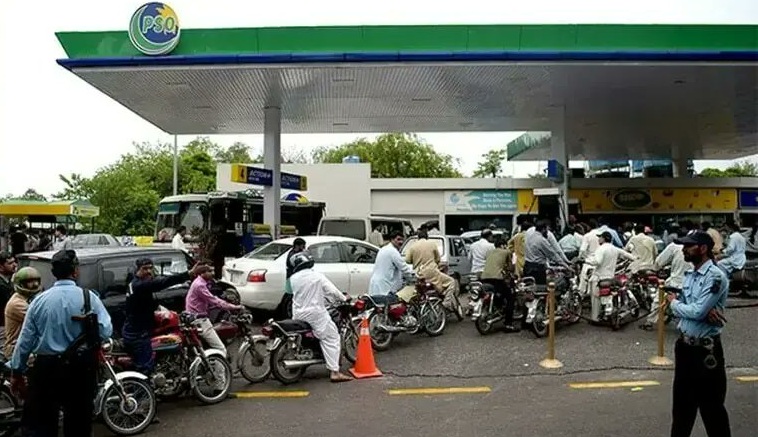
Pakistan is witnessing widespread panic buying of petrol and diesel as tensions in the Middle East — particularly the escalating conflict involving Iran — begin to disrupt global oil supplies. Across major Pakistani cities such as Lahore, Karachi, and Islamabad, motorists have lined up at fuel stations, fearing an imminent shortage and further price hikes. The situation has triggered long queues, temporary pump closures, and government warnings against hoarding.
The crisis is unfolding as global energy markets react sharply to the war in West Asia, which threatens vital oil shipping routes. Pakistan, a country heavily dependent on imported crude oil, is especially vulnerable to supply disruptions and price shocks.
Long Queues at Petrol Pumps Across Cities
Reports from several Pakistani cities show scenes of chaos outside petrol stations. Motorists rushed to fill their tanks after the government announced a sharp increase in fuel prices and rumors spread that supplies could soon run out.
Fuel stations in some areas were forced to ration petrol, while others shut down temporarily due to depleted stocks. At several pumps, authorities reportedly limited sales to small quantities per vehicle to manage the sudden surge in demand.
In Karachi, Lahore, and Islamabad, vehicles stretched for hundreds of meters outside fuel pumps as people attempted to secure enough petrol before prices rose further. The panic buying intensified overnight when dealers anticipated a steep price revision.
Massive Fuel Price Hike Adds to Panic
The Pakistani government recently raised petrol and diesel prices by 55 Pakistani rupees per litre, one of the steepest hikes in recent years. After the increase, petrol prices climbed to about 321.17 rupees per litre, while diesel rose to around 335.86 rupees per litre.
Officials said the decision was unavoidable due to soaring international oil prices triggered by the war in the Middle East. Pakistan imports most of its oil, making domestic fuel prices highly sensitive to global market fluctuations.
Authorities have also indicated that fuel prices may now be reviewed weekly instead of fortnightly, reflecting the volatility in international energy markets.
War in the Middle East Disrupts Oil Supply
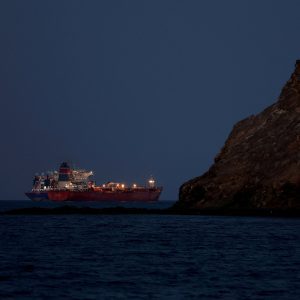
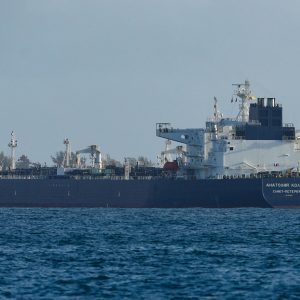
The ongoing conflict involving Iran, the United States, and Israel has rattled global energy markets. One of the biggest concerns is the disruption of shipping routes through the Strait of Hormuz, one of the world’s most critical oil transit corridors.
Nearly 20% of global oil and gas supplies normally pass through the Strait of Hormuz, making any disruption there a major threat to global energy stability.
As tensions escalated, shipping companies and oil traders became increasingly cautious about transporting crude through the region. Tanker traffic has slowed and insurance costs for shipping oil have surged.
For Pakistan — which relies heavily on oil imports from Gulf countries such as Saudi Arabia and the UAE — the situation poses a serious economic challenge.
Pakistan’s Limited Fuel Reserves
Another reason for the panic is Pakistan’s limited strategic fuel reserves. According to government estimates, the country currently holds petrol and diesel stocks that may last around 25–28 days under normal consumption levels.
Crude oil reserves are even lower, with supplies estimated to cover only about 10 days. This has intensified public fears that the conflict could soon lead to shortages if shipping disruptions continue.
The government has begun exploring alternative shipping routes for oil imports and negotiating with regional partners to secure additional supplies.
Petrol Pumps Running Dry in Some Regions
In several provinces, especially Balochistan, reports suggest that a large number of petrol pumps have already run out of fuel. Some estimates indicate that more than 70% of pumps in certain areas temporarily ran dry as panic buying increased.
Fuel dealers say the problem is not just demand but also supply disruptions and speculation about further price hikes. Some petrol pump owners reportedly shut down their stations temporarily to avoid selling fuel at the old price before the new rates took effect.
Government Warns Against Hoarding
Prime Minister Shehbaz Sharif has directed authorities to take strict action against hoarding and artificial shortages created by fuel dealers. The government warned that any petrol pump found withholding supply or manipulating prices could face closure and legal action.
Officials insist that Pakistan currently has adequate fuel stocks, but they acknowledge that the global situation remains uncertain. Authorities are closely monitoring supply chains and working to stabilize the market.
Emergency Measures Under Consideration
To conserve fuel and manage demand, the Pakistani government is considering several emergency measures, including:
- Mandatory work-from-home policies for offices
- Online classes for schools and universities
- Restrictions on unnecessary travel
- Fuel rationing at petrol pumps
These measures are similar to those adopted during the COVID-19 pandemic to reduce traffic and fuel consumption.
Officials believe such steps could help stretch existing fuel reserves if the conflict continues for an extended period.
Economic Impact on Pakistan
The fuel crisis could have severe consequences for Pakistan’s already fragile economy. Rising oil prices typically lead to:
- Higher transportation costs
- Increased inflation
- More expensive food and essential goods
- Pressure on foreign exchange reserves
Economists warn that sustained high oil prices could slow economic growth and worsen the country’s fiscal deficit.
Pakistan has been struggling with economic challenges for several years, including high inflation, currency depreciation, and dependence on international financial assistance. The latest oil shock could deepen those problems.
Regional Impact Beyond Pakistan
The energy shock caused by the Iran conflict is not limited to Pakistan. Several countries across Asia are facing similar challenges.
For example, Bangladesh has already started rationing fuel purchases to prevent hoarding and stabilize supplies. Governments across the region are closely monitoring oil markets and preparing contingency plans.
Meanwhile, global oil prices have surged sharply as traders anticipate prolonged disruptions to supply.
Global Energy Markets on Edge
Energy analysts say the current crisis could escalate if the conflict widens or if the Strait of Hormuz remains disrupted for a prolonged period.
Oil prices have already surged in international markets, with analysts warning that prices could climb above $100 per barrel if the conflict intensifies or shipping routes remain blocked.
Such a scenario would have ripple effects across the global economy, pushing up inflation and slowing growth worldwide.
Uncertainty Ahead
For now, Pakistan’s government is trying to calm public fears and ensure that fuel supplies remain stable. Officials have urged citizens not to panic and to avoid hoarding petrol or diesel.
However, with tensions in the Middle East showing little sign of easing, uncertainty continues to loom over the global energy market.
If the conflict escalates further or shipping disruptions persist, Pakistan — like many other oil-importing nations — may face a prolonged period of fuel shortages, price hikes, and economic pressure.
This article may be prepared with the assistance of artificial intelligence (AI) and is reviewed before publication. While we aim for accuracy and timeliness, readers should verify important facts from official or primary sources. If you believe any information is inaccurate or that any content infringes your rights, please contact ainewsbreaking.com for review and appropriate action.