Iran War Threatens Gulf Drinking Water Supply as Desalination Plants Face Strategic Risk
As tensions escalate in the Middle East amid the ongoing Iran conflict, global attention has largely focused on oil markets and the threat to energy supplies flowing through the Persian Gulf. However, experts warn that a far more dangerous and less discussed crisis may be unfolding in the region: the vulnerability of the Gulf’s drinking water supply.
Countries across the Gulf—including Saudi Arabia, Kuwait, Oman, Bahrain, Qatar, and the United Arab Emirates—depend heavily on desalination plants that convert seawater into fresh drinking water. With few natural rivers, lakes, or groundwater reserves, these facilities form the backbone of daily life in some of the world’s most water-scarce countries.
As missile and drone attacks expand across the region during the conflict involving Iran and its adversaries, analysts say these desalination plants could become strategic targets. If damaged or shut down, millions of people could face severe water shortages within days.
Why Water Is the Gulf’s Hidden Strategic Vulnerability
The Gulf region is among the driest places on Earth. Natural freshwater sources are extremely limited, and many countries have little to no renewable water supply.
To sustain their populations and economic growth, Gulf states have invested heavily in desalination technology—facilities that remove salt from seawater to produce potable water.
These plants now provide the majority of drinking water across the region:
- Kuwait: about 90% of drinking water comes from desalination
- Oman: about 86%
- Saudi Arabia: roughly 70%
Without these plants, major Gulf cities—including Riyadh, Dubai, Doha, and Kuwait City—would struggle to sustain their populations.
Unlike oil infrastructure, which can sometimes be replaced or rerouted, desalination plants are difficult and expensive to rebuild quickly. Many cities depend on just a handful of large coastal facilities.
Experts say that makes them highly vulnerable during wartime.
How Desalination Works
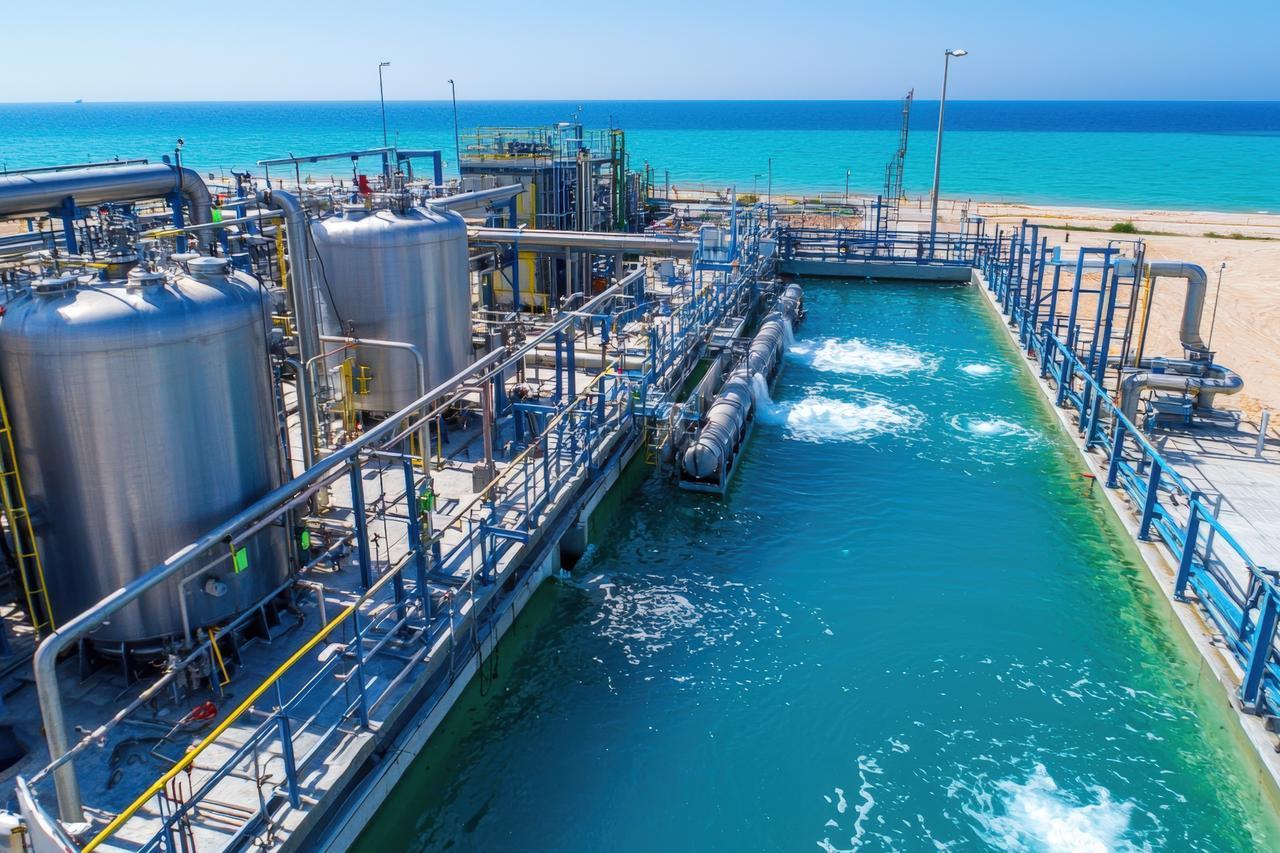
Desalination plants typically use a process known as reverse osmosis. In this method, seawater is forced through extremely fine membranes that remove salt and other impurities, producing clean freshwater suitable for drinking.
The process requires large amounts of energy and specialized equipment, which is why most desalination plants are located near coastal power stations.
This connection between water and electricity infrastructure also increases vulnerability. Damage to power plants, pipelines, or pumping stations could disrupt water production as well.
As a result, attacks on energy facilities can indirectly affect water supplies.
Why the Iran War Raises New Risks
The ongoing conflict involving Iran has already seen strikes on energy facilities, ports, and shipping lanes across the Persian Gulf. Missile and drone attacks have hit several types of infrastructure in the region.
Analysts now fear that water infrastructure could become the next frontline in the conflict.
Hundreds of desalination plants are located along the Gulf coast—many of them within range of drones or missiles. If one of these facilities were damaged, the consequences could be immediate.
Cities could face:
- Sudden shortages of drinking water
- Emergency rationing
- Disruptions to industry and hospitals
- Public health crises
Experts warn that the impact could be felt within days, as most Gulf countries maintain only limited freshwater storage.
Recent Incidents Raise Alarm
Recent events have intensified concerns about the safety of desalination facilities.
Reports indicate that a drone strike recently damaged a desalination plant in Bahrain, bringing the issue of water security into the spotlight. Although operations continued, the incident highlighted how easily such infrastructure could be targeted.
Analysts say the attack marked a troubling shift in the war—from strikes aimed at economic targets such as oil facilities to infrastructure that directly affects civilian life.
Targeting water facilities could have devastating humanitarian consequences.
Why Desalination Plants Are Easy Targets
Unlike underground pipelines or dispersed water sources, desalination plants are:
- Large
- Fixed in location
- Located along coastlines
- Highly visible from satellite imagery
This makes them relatively easy to identify and target.
Furthermore, many plants serve entire metropolitan areas. A single strike could therefore disrupt water supply for millions of residents.
Experts note that rebuilding or repairing such facilities could take months.
The Humanitarian Consequences
The consequences of widespread desalination plant damage could be catastrophic.
Cities across the Gulf depend almost entirely on these facilities for daily water consumption. Without them, basic services could quickly break down.
Potential impacts include:
1. Drinking Water Shortages
Millions of residents rely on desalinated water for daily consumption. Disruption could force governments to ration supplies or import bottled water.
2. Public Health Emergencies
Hospitals require large volumes of clean water for sanitation, sterilization, and patient care. A prolonged shortage could endanger healthcare systems.
3. Economic Disruption
Industries ranging from tourism to manufacturing depend on reliable water supplies. Shortages could halt economic activity.
4. Social Instability
Water shortages have historically triggered protests and unrest in many regions.
Experts warn that water infrastructure attacks could quickly escalate a military conflict into a humanitarian crisis.
The Strategic Importance of Water
The Gulf’s dependence on desalination has long been recognized as a strategic vulnerability.
Decades ago, analysts warned that these facilities could become targets during regional conflicts. Today, the region’s rapid population growth and urban development have made the stakes even higher.
Oil wealth enabled Gulf countries to build modern cities in the desert. But those cities rely on manufactured freshwater produced from seawater.
In many ways, desalination plants are as important to the Gulf as oil wells.
International Law and War Crimes Concerns
Under international humanitarian law, civilian infrastructure—including water systems—should not be deliberately targeted during armed conflict.
Attacks on water facilities can be considered violations of the Geneva Conventions if they intentionally deprive civilians of essential resources.
Because desalination plants supply drinking water, targeting them could attract international condemnation and potentially be classified as a war crime.
Nevertheless, analysts warn that escalating tensions could blur these boundaries.
Gulf Countries Preparing for the Worst
Recognizing the risks, many Gulf governments have begun strengthening water security measures.
Some of these strategies include:
- Building strategic water reserves
- Increasing water storage capacity
- Constructing additional desalination plants
- Diversifying water sources
- Improving emergency distribution systems
For example, some countries maintain emergency water reserves designed to supply cities for several weeks if desalination plants shut down.
However, experts say even these reserves may not be sufficient during a prolonged crisis.
The Oil Crisis vs. The Water Crisis
For decades, the Persian Gulf has been synonymous with oil. The region produces a large share of the world’s petroleum exports and plays a critical role in global energy markets.
But analysts increasingly argue that water—not oil—may be the region’s most fragile resource.
Oil disruptions affect global prices and supply chains.
Water disruptions threaten human survival.
This distinction highlights why desalination plants are now viewed as critical strategic infrastructure.
A New Kind of “Water War”?
Some experts fear the Iran conflict could evolve into what they describe as a “water war.”
If desalination facilities become military targets, the impact could extend beyond the battlefield to civilian populations.
Millions of people across the Gulf could face drinking water shortages within days of a major attack.
Such a scenario would represent one of the most severe humanitarian crises in the region’s modern history.
This article may be prepared with the assistance of artificial intelligence (AI) and is reviewed before publication. While we aim for accuracy and timeliness, readers should verify important facts from official or primary sources. If you believe any information is inaccurate or that any content infringes your rights, please contact ainewsbreaking.com for review and appropriate action.