
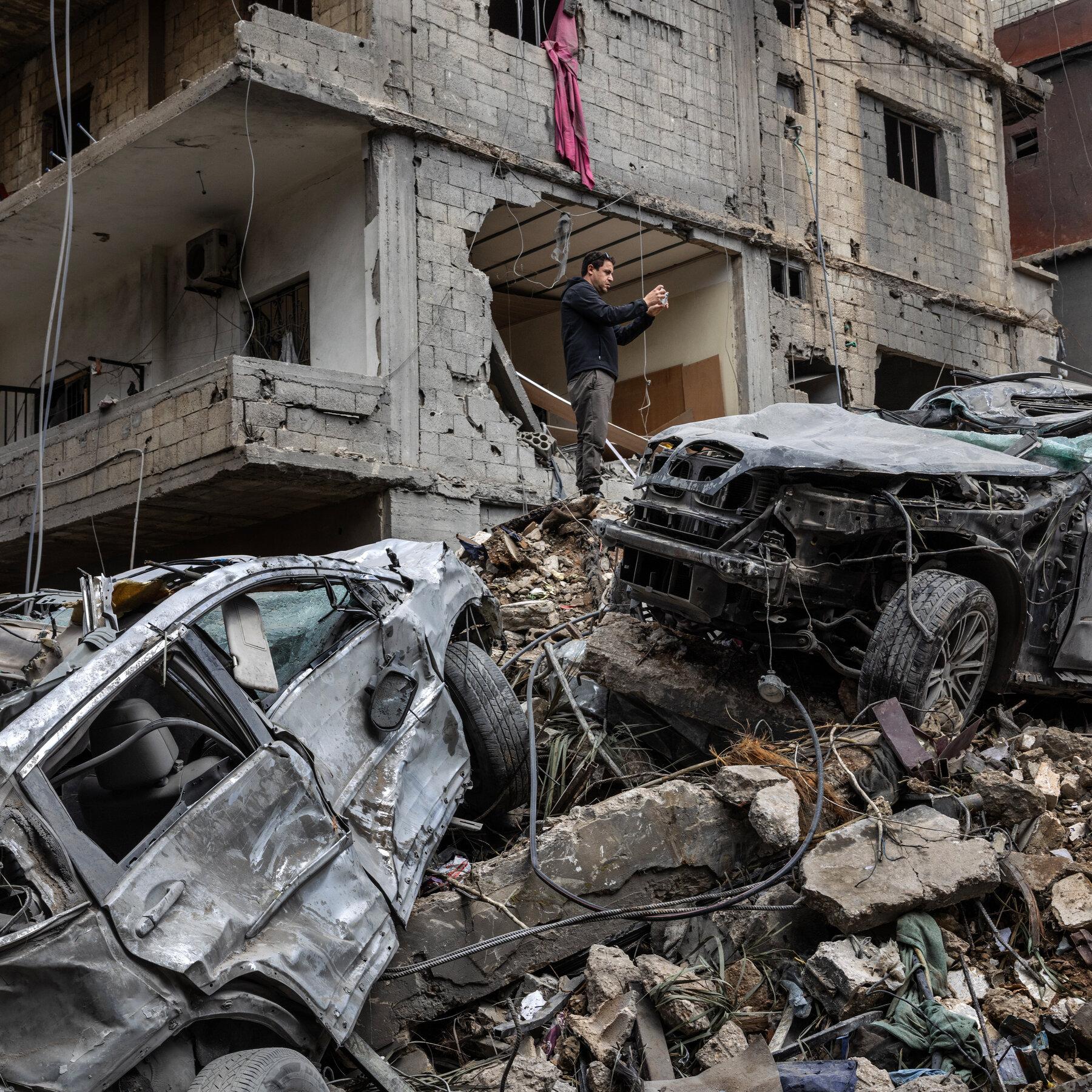
Iran Warns of Retaliation as Israel’s Airstrikes in Lebanon Threaten Regional Stability
Tensions are running high in the Middle East as Iran’s foreign ministry issued a stern warning on Tuesday, stating that Israel’s recent airstrike on Lebanon will be met with “strong responses.” The warning comes amid concerns that the escalating conflict between Israel and Hezbollah, a Lebanese terrorist organization backed by Iran, could destabilize the entire region.
As the situation in Lebanon continues to unfold, Israel has carried out multiple airstrikes targeting what it claims are Hezbollah positions in the country. This latest development has heightened fears that a fragile ceasefire may be on the brink of collapse. The Israeli military asserts that its air campaign is designed to disrupt the flow of weapons from Iran to Hezbollah.
According to reports from Beirut, the capital of Lebanon, several explosions were heard in the southern suburb of Beirut where Hezbollah operates. This escalation has sparked concerns that a wider conflict could soon engulf the region, including Israel and other neighboring countries such as Syria and Iraq.
Hezbollah has accused Israel of violating a ceasefire agreement, which it said was brokered by the United States. The agreement, however, does seem to be under significant strain, and it remains unclear if a negotiated resolution can be reached without further bloodshed.
As tensions escalate, global leaders are urging restraint from all parties involved. A joint statement from the United States, Germany, France, and the United Kingdom has called for both sides to abide by the ceasefire and pursue a peaceful resolution.
In a meeting of its national security council, the Israeli government reaffirmed its stance that the Israeli military will continue to operate within its right to defend its borders and citizens. However, it remains to be seen whether this will be sufficient to address the underlying issues that have led to the current crisis.
For now, the situation in Lebanon, and across the wider region, looks increasingly precarious. Diplomats, analysts, and experts alike are anxiously watching developments, aware that the stakes are high and the consequences of failure could be severe.
The international community is bracing itself for a potential wider conflict, with many warning that the region is standing at the edge of a precipice. The international response will be crucial in determining whether the current crisis can be averted, or if it will escalate into a more catastrophic confrontation.
This article may be prepared with the assistance of artificial intelligence (AI) and is reviewed before publication. While we aim for accuracy and timeliness, readers should verify important facts from official or primary sources. If you believe any information is inaccurate or that any content infringes your rights, please contact ainewsbreaking.com for review and appropriate action.