Iran Warns World to Prepare for $200 Oil as Merchant Ships Are Attacked in Gulf
Iran Warns Oil Could Hit $200 a Barrel After Attacks on Ships in Strait of Hormuz Trigger Global Energy Crisis Fears
The ongoing conflict in the Middle East has triggered fresh concerns about global energy supplies after Iran warned that crude oil prices could soar to $200 per barrel following attacks on merchant vessels in key shipping routes. The warning comes amid escalating military tensions involving Iran, the United States, and Israel, raising fears of the worst global oil shock since the 1970s energy crisis.
The situation intensified on Wednesday when several merchant ships were struck in waters near the Strait of Hormuz, one of the world’s most important energy chokepoints. Iranian officials signaled that disruptions to oil shipments could continue as the conflict widens, warning that the price of crude could skyrocket if regional instability persists.
At the same time, global energy authorities are scrambling to prevent a massive spike in fuel prices. The International Energy Agency (IEA) has recommended an unprecedented release of emergency crude reserves in an attempt to stabilize markets and prevent a global economic shock.
Merchant Ships Targeted in Strategic Gulf Waterway
Reports indicate that multiple vessels came under attack in the Gulf region, including ships traveling through the Strait of Hormuz, the narrow waterway between Iran and Oman that handles roughly one-fifth of the world’s oil trade.
Among the vessels reportedly damaged was a Thai-flagged bulk carrier, which caught fire during the attack and forced crew members to evacuate. Some crew members were reportedly missing, raising concerns about casualties.
Other ships struck during the escalating maritime clashes include vessels linked to Japan and other international shipping companies. According to reports, these attacks bring the number of ships targeted since the beginning of the conflict to more than a dozen.
The strikes have caused severe disruption to commercial shipping routes, with several shipping companies reconsidering voyages through the region due to safety concerns.
Iran Issues Stark Warning Over Oil Prices
Iranian military officials warned that global oil prices could surge dramatically if the conflict continues.
Ebrahim Zolfaqari, a spokesperson for Iran’s military command, directly blamed Western actions in the region for destabilizing energy markets.
He said the world should “get ready for oil at $200 a barrel”, arguing that the price of crude is closely linked to regional security conditions.
The warning was also interpreted as a signal that Iran could continue to disrupt energy supplies if attacks against the country persist.
Iran has made it clear that oil shipments through the Strait of Hormuz could remain restricted until the military campaign against it ends.
Strait of Hormuz: A Critical Global Energy Lifeline
The Strait of Hormuz is one of the most strategically important maritime corridors in the world.
- Around 20% of global oil supply passes through this narrow channel every day.
- The strait connects the Persian Gulf with the Arabian Sea.
- Major oil producers such as Saudi Arabia, Iraq, Kuwait, and the United Arab Emirates rely heavily on this route for exports.
Any disruption in this region can have immediate effects on global energy markets.
Energy analysts say that if shipping through the strait is significantly blocked, the world could experience a supply shock similar to the oil crises of the 1970s.
Such disruptions could cause fuel shortages, rising transportation costs, and inflation worldwide.
Global Energy Markets Already Feeling the Impact
Even before the warning of $200 oil, energy markets had already reacted sharply to the escalating conflict.
Crude oil prices surged above $100 per barrel, and investors began preparing for possible supply shortages. Financial markets also saw volatility as traders reacted to the growing geopolitical risk in the Middle East.
Oil-dependent industries such as aviation, shipping, and manufacturing are especially vulnerable to sudden increases in fuel prices.
For many countries, particularly energy-importing economies, a sharp spike in oil prices could worsen inflation and slow economic growth.
IEA Plans Record Release of Emergency Oil Reserves
In response to the escalating crisis, the International Energy Agency has proposed the largest release of strategic oil reserves in history.
The plan involves releasing around 400 million barrels of crude oil from emergency stockpiles held by member countries.
This massive release is intended to calm markets and ensure that global oil supplies remain stable despite disruptions in the Gulf.
However, energy experts warn that this measure may only provide temporary relief.
Even such a large release would account for only a few weeks of oil supply normally transported through the Strait of Hormuz, meaning prolonged disruptions could still drive prices higher.
War Between Iran, US, and Israel Fuels Crisis
The oil market shock is closely tied to the broader conflict that erupted after joint U.S. and Israeli airstrikes on Iranian targets earlier this month.
The strikes were reportedly aimed at military and strategic infrastructure. Iran has since launched retaliatory attacks across the region, targeting both military and economic assets.
The conflict has expanded beyond Iran’s borders, with strikes reported in several Middle Eastern countries and increased tensions across the region.
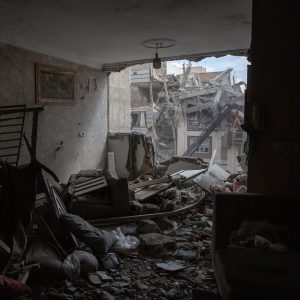
So far, thousands of people have reportedly been killed in the escalating violence, with civilians among the casualties.
Threats Expand Beyond Oil and Shipping
In addition to maritime attacks, Iranian officials have issued warnings that financial infrastructure could also become a target.
According to statements from Iranian military leaders, banks and institutions doing business with the United States or Israel could be attacked in retaliation for strikes on Iranian infrastructure.
These threats highlight the widening scope of the conflict, which now includes economic warfare alongside traditional military operations.
Such actions could disrupt global financial systems and further increase economic uncertainty.
Shipping Industry on High Alert
The shipping industry has been placed on high alert as attacks on vessels increase.
Insurance premiums for ships traveling through the Persian Gulf have already surged, reflecting the heightened risk of damage or capture.
Some shipping companies are considering rerouting vessels around Africa, which would significantly increase shipping times and costs.
Navies from several countries are also discussing the possibility of providing escorts to commercial vessels passing through the Strait of Hormuz.
Economic Impact Could Be Severe
Economists warn that a sustained spike in oil prices could have major consequences for the global economy.
If crude prices approach $200 per barrel, the impact could include:
- Higher fuel prices worldwide
- Increased transportation and logistics costs
- Rising inflation in both developed and developing economies
- Slower economic growth or even recession in some countries
Countries heavily dependent on imported energy—such as India, Japan, and many European nations—could be particularly vulnerable.
India and Asia Watching Situation Closely
Asian economies are closely monitoring developments in the Gulf because they rely heavily on Middle Eastern oil imports.
India, one of the world’s largest oil importers, receives a significant portion of its crude supplies from the Gulf region.
Any prolonged disruption in shipments through the Strait of Hormuz could affect fuel prices and economic stability across Asia.
Energy analysts say governments may need to increase strategic reserves or diversify supply sources if tensions persist.
Markets Waiting for Diplomatic Breakthrough
Despite the rising tensions, global markets remain hopeful that diplomatic efforts could prevent a prolonged crisis.
Some analysts believe that the threat of extreme oil prices may push world powers toward negotiations aimed at reopening shipping routes and stabilizing energy supplies.
However, so far there has been no clear indication that the conflict will end soon, and military exchanges continue across the region.
A Potential Energy Shock Comparable to the 1970s
Experts say the current crisis could become the most severe disruption to global oil supplies since the 1970s oil embargo, when geopolitical tensions in the Middle East caused massive shortages and economic turmoil.
If shipping through the Strait of Hormuz remains blocked and attacks continue, the consequences could reshape global energy markets for years.
For now, governments, oil companies, and financial markets around the world are watching developments in the Gulf with growing concern.
This article may be prepared with the assistance of artificial intelligence (AI) and is reviewed before publication. While we aim for accuracy and timeliness, readers should verify important facts from official or primary sources. If you believe any information is inaccurate or that any content infringes your rights, please contact ainewsbreaking.com for review and appropriate action.