Iranian Missile Strike Damages 5 US Refuelling Aircraft at Saudi Arabia’s Prince Sultan Air Base Amid Escalating Iran War
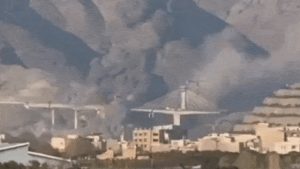
In a significant escalation of the ongoing conflict between the United States and Iran, five U.S. Air Force aerial refuelling aircraft were reportedly damaged in an Iranian missile strike targeting a major American military facility in Saudi Arabia. The attack occurred at Prince Sultan Air Base, a key hub for U.S. military operations in the Middle East.
According to reports citing U.S. officials, the aircraft were hit while parked on the ground during the strike. Although the planes sustained damage, they were not completely destroyed and are currently undergoing repairs, and no casualties were reported in the incident.
The strike underscores the intensifying military confrontation in the region and highlights the vulnerability of major military installations amid ongoing hostilities.
What Happened in the Attack
The missile strike reportedly targeted aircraft stationed at the Saudi base that were supporting American air operations in the Middle East.
The damaged aircraft are believed to be Boeing KC-135 Stratotanker tanker planes. These aircraft are crucial for extending the range of fighter jets and bombers by refuelling them mid-air during combat missions.
Officials said the aircraft were hit during an Iranian missile barrage aimed at the base, which hosts U.S. forces deployed as part of operations against Iranian military infrastructure.
Despite the strike, the aircraft were not completely destroyed and are expected to be repaired and returned to service.
Why Prince Sultan Air Base Is Important
The targeted installation, Prince Sultan Air Base, is one of the most important American military facilities in the Middle East.
The base hosts the United States Air Force and serves as the headquarters of the 378th Air Expeditionary Wing, supporting surveillance, air defense, and strike operations across the region.
Key roles of the base include:
- Launching and coordinating air operations in the Gulf region
- Hosting fighter jets, drones, and surveillance aircraft
- Supporting aerial refuelling missions
- Providing strategic depth for U.S. military deployments
Because of its operational importance, the base has become a potential target during the ongoing conflict.
Why Refuelling Aircraft Are Critical
Aerial refuelling aircraft like the Boeing KC-135 Stratotanker are among the most valuable assets in modern air warfare.
These aircraft allow fighter jets and bombers to stay in the air for extended periods without landing.
They enable:
- Long-range strike missions
- Continuous surveillance flights
- Rapid deployment of combat aircraft
- Increased operational flexibility
Without aerial refuelling tankers, combat aircraft would have to return to base frequently for fuel, limiting their range and effectiveness.
Targeting such aircraft could potentially disrupt air operations in the region.
Part of Iran’s Retaliatory Campaign
The attack is believed to be part of Iran’s broader retaliation against U.S. and allied military operations.
Since the war escalated earlier this year, Iran has launched missile and drone attacks against several targets across the region, including oil facilities and military bases in Saudi Arabia.
These strikes are part of a wider campaign targeting infrastructure and military assets linked to the United States and its allies.
Iran has also threatened to expand attacks to include energy infrastructure and shipping routes if hostilities continue.
Rising Military Losses in the Conflict
The incident comes at a time when the United States has already suffered several aviation-related setbacks during the conflict.
Reports indicate that at least seven refuelling aircraft have been damaged or destroyed in recent days, including losses linked to a separate mid-air collision during operations in the region.
These incidents highlight the risks facing military aviation operations in a rapidly escalating war zone.
Regional Tensions Continue to Rise
The strike on Prince Sultan Air Base adds another dangerous dimension to an already volatile regional conflict.
Military analysts warn that attacks on major U.S. bases in Saudi Arabia could further widen the war and draw more countries into the confrontation.
Saudi Arabia has condemned Iranian attacks on its territory and has pledged to take all necessary measures to defend its security and infrastructure.
At the same time, global powers and international organizations are urging both sides to de-escalate before the conflict spirals into a wider regional war.
Global Implications
The escalation could have significant global consequences.
The Middle East is home to some of the world’s most important oil production and shipping routes. Continued attacks on military bases, energy infrastructure, and shipping lanes could disrupt global energy supplies.
Analysts warn that prolonged conflict in the Gulf region could push oil prices higher and increase economic instability worldwide.
This article may be prepared with the assistance of artificial intelligence (AI) and is reviewed before publication. While we aim for accuracy and timeliness, readers should verify important facts from official or primary sources. If you believe any information is inaccurate or that any content infringes your rights, please contact ainewsbreaking.com for review and appropriate action.