Iranian Missile Strikes on US Bases Cause $800 Million Damage in Early Weeks of War, New Analysis Reveals
A Costly Escalation in the Iran War
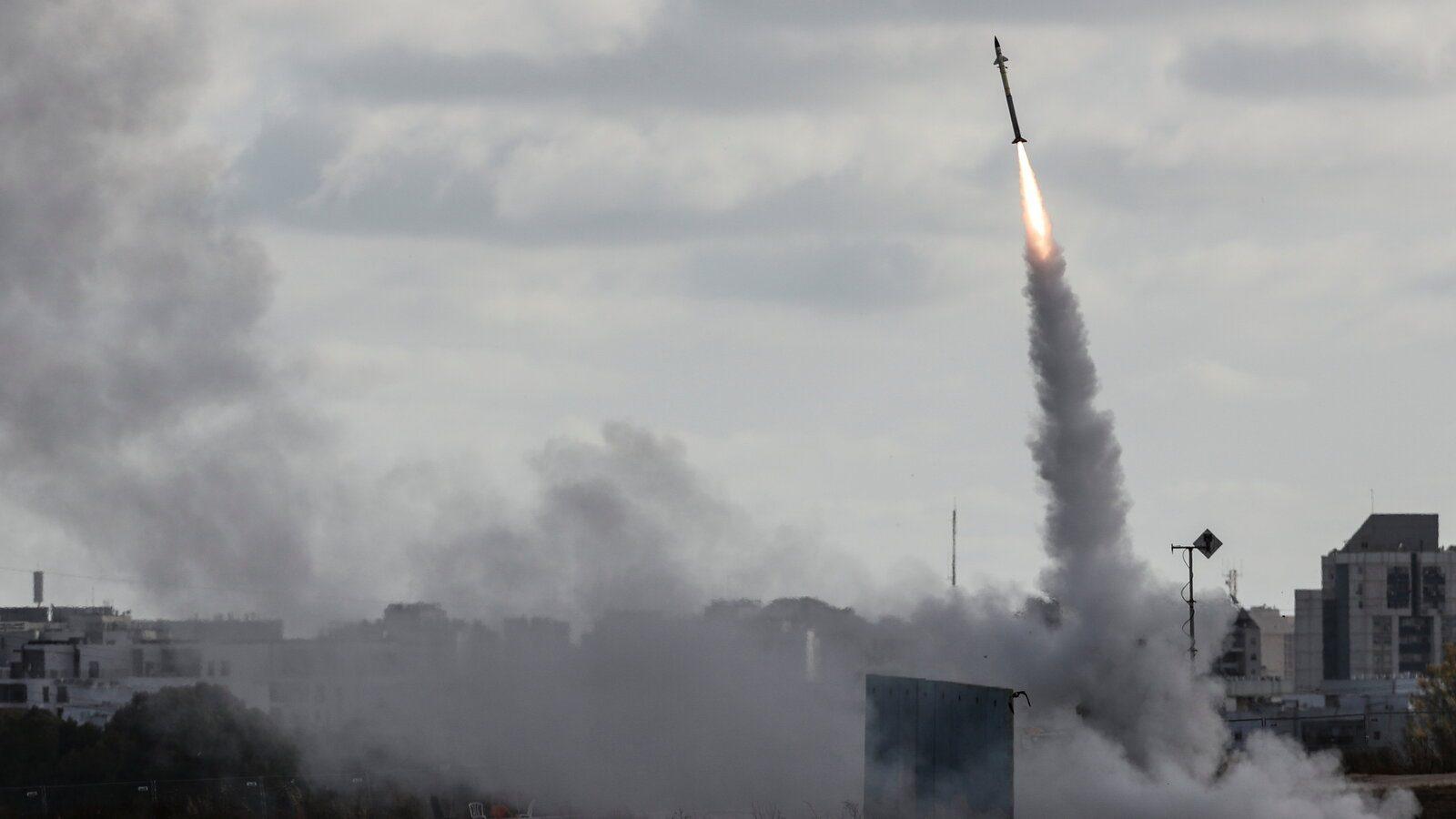
A new analysis has revealed that Iranian missile and drone strikes on military bases used by the United States across the Middle East have caused an estimated $800 million in damage within just the first two weeks of the ongoing conflict. The findings highlight the significant financial and strategic toll inflicted on US military infrastructure, underscoring how rapidly the war has intensified since its outbreak in late February 2026.
The estimate, based on assessments by defense analysts and research institutions, provides one of the clearest pictures yet of the material costs faced by the United States from Iranian retaliation. While Washington has carried out thousands of strikes inside Iran, Tehran’s counterattacks have proven capable of penetrating defenses and damaging key facilities across the Gulf region.
$800 Million in Damage: What the Analysis Shows
According to the latest analysis, Iranian strikes targeting US-linked bases in countries such as Bahrain, the United Arab Emirates, Saudi Arabia, and Kuwait have resulted in approximately $800 million worth of damage to military infrastructure and assets.
Much of this destruction occurred during the initial wave of retaliatory attacks, launched shortly after the United States and its allies began military operations against Iran.
The damage includes:
- Destruction or impairment of radar systems and communications equipment
- Damage to aircraft hangars and runways
- Hits on logistics hubs and operational centers
- Structural damage to naval and air bases
Although the figure does not represent total war costs, it offers a snapshot of how effective Iran’s early strikes have been in targeting US military presence in the region.
Satellite Evidence Confirms Widespread Impact
Satellite imagery has played a crucial role in verifying the extent of destruction. Independent analysts using commercial satellite data have identified visible damage at several strategic locations.
Reports indicate:
- Significant destruction at the US 5th Fleet headquarters in Bahrain, including damaged radar installations
- Burned structures and hangars at Al Dhafra Air Base in the UAE, where US troops are stationed
- Fires and damage at logistics and aviation facilities across the Gulf region
These visual confirmations support the $800 million estimate and suggest that Iranian strikes have been both targeted and effective.
Key Targets: US Bases Across the Gulf
Iran’s retaliatory campaign has focused heavily on US military infrastructure spread across allied nations in the Middle East. Some of the most affected locations include:
Bahrain
Iranian missile strikes hit areas near the US Navy’s 5th Fleet headquarters, causing extensive structural damage and injuries.
United Arab Emirates
Air bases such as Al Dhafra were targeted with missiles and drones. While many were intercepted, falling debris and explosions still caused damage to facilities and nearby areas.
Saudi Arabia
US assets, including refueling aircraft stationed at Prince Sultan Air Base, were damaged in missile attacks.
Kuwait
A deadly drone strike hit a US-linked operations center near Camp Arifjan, destroying infrastructure and causing casualties.
These attacks demonstrate Iran’s ability to strike across a wide geographic area, targeting both permanent bases and temporary military installations.
Nature of the Damage: Beyond Buildings
The financial estimate of $800 million goes beyond simple structural destruction. It also includes the cost of repairing or replacing advanced military systems such as:
- Missile defense systems
- Surveillance and radar equipment
- Aircraft and refueling infrastructure
- Command-and-control systems
Modern military hardware is extremely expensive. Even limited damage to high-tech systems can cost millions of dollars to repair or replace. For example, a single advanced radar installation or communications system can cost tens of millions of dollars.
This means that even relatively small-scale strikes can produce disproportionately high financial losses.
Part of a Larger War Cost Equation
The $800 million damage estimate represents only a fraction of the broader financial burden of the war. Separate analyses suggest that the United States may be spending hundreds of millions to over $1 billion per day on military operations in the region.
When combined with the cost of damaged infrastructure, the total financial impact on the US is rapidly escalating.
At the same time, the Pentagon has reportedly struck thousands of targets inside Iran, further increasing the overall cost of the conflict.
Strategic Implications: A War of Attrition
The damage inflicted by Iranian strikes highlights a key aspect of the conflict: it is evolving into a war of attrition, where both sides incur mounting costs over time.
For the United States:
- Maintaining and repairing overseas bases is expensive
- Replacing damaged equipment strains defense budgets
- Supply chains for military components are under pressure
For Iran:
- Sustaining missile and drone attacks requires significant resources
- Its own infrastructure has been heavily targeted by US and allied strikes
This dynamic raises concerns that the conflict could become prolonged and financially draining for all parties involved.
Impact on US Military Readiness
The damage to bases and equipment could also affect US operational capabilities in the region. Even temporary disruptions to radar systems, runways, or logistics hubs can:
- Delay military operations
- Reduce response times
- Increase vulnerability to further attacks
Analysts warn that repeated strikes could degrade the effectiveness of US forces if repairs cannot keep pace with damage.
Broader Regional Consequences
The attacks on US bases are part of a wider regional escalation that has seen:
- Strikes on energy infrastructure
- Disruptions to shipping routes, especially near the Strait of Hormuz
- Rising oil prices and global economic concerns
The conflict has already affected key global supply chains and could have long-term implications for energy markets and international trade.
Uncertainty Over Full Damage Extent
While the $800 million estimate provides a useful benchmark, experts caution that the true cost may be higher. Some damage may not yet be fully assessed, especially in active conflict zones where access is limited.
Additionally:
- Some military losses may remain classified
- Ongoing attacks could increase the total rapidly
- Indirect costs (logistics, delays, operational disruptions) are harder to quantify
Conclusion: A Warning Sign for Escalation
The revelation that Iranian strikes have caused $800 million in damage to US-linked bases in just two weeks underscores the intensity and scale of the ongoing war.
It highlights several key realities:
- Iran retains significant offensive capabilities despite US strikes
- US military infrastructure in the region is vulnerable to sustained attacks
- The financial and strategic costs of the conflict are rising
As the war continues, these costs—both monetary and strategic—are likely to grow, raising questions about how long the conflict can be sustained and what its ultimate consequences will be for the region and beyond.
This article may be prepared with the assistance of artificial intelligence (AI) and is reviewed before publication. While we aim for accuracy and timeliness, readers should verify important facts from official or primary sources. If you believe any information is inaccurate or that any content infringes your rights, please contact ainewsbreaking.com for review and appropriate action.