
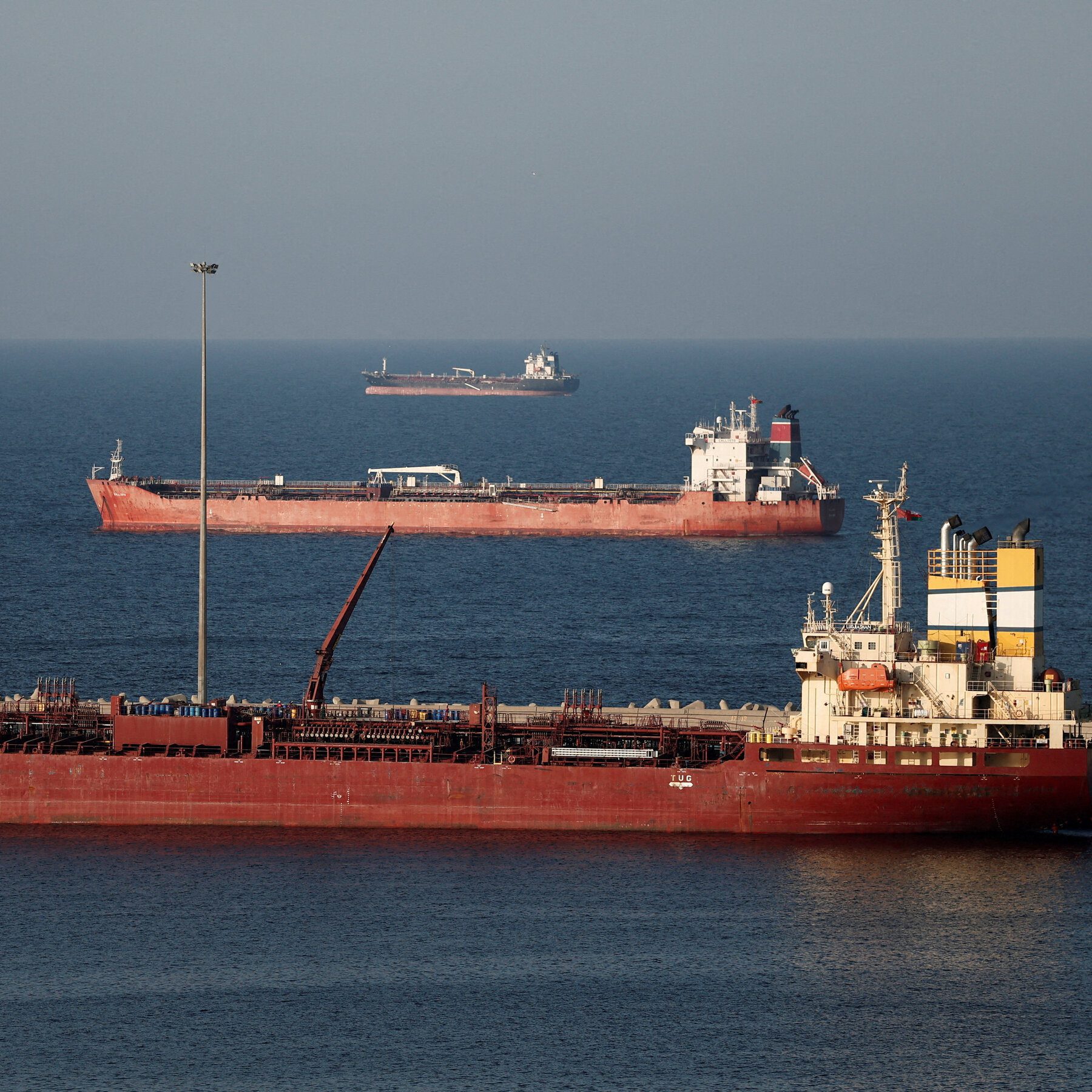
Iran’s Blockade of the Strait of Hormuz: A Global Economic Ripple Effect Looms
A recent blockade by Iran of the Strait of Hormuz, a critical waterway linking the Persian Gulf to the Gulf of Oman, has sent shockwaves through the global energy market, raising concerns about the potential impact on the US economy. As news of the blockade spread, energy prices skyrocketed, affecting not only countries directly reliant on Middle Eastern oil but also economies worldwide, including the United States.
The Strait of Hormuz serves as the lifeline for more than 20% of the world’s seaborne oil exports, passing through the strait to reach global markets. This significant volume of oil transit, largely from oil-rich nations such as Saudi Arabia and the United Arab Emirates, underscores the waterway’s importance in the global energy landscape. The blockade by Iran threatens to disrupt this critical supply chain.
The United States is among the countries most vulnerable to a prolonged disruption of oil supplies through the Strait of Hormuz. U.S. refineries rely heavily on imported crude oil, which often passes through the strait. A prolonged blockade could lead to fuel shortages and price spikes in the US, affecting various sectors, including transportation, manufacturing, and energy production.
A sudden and lasting blockade could also have far-reaching economic consequences. Rising oil prices would likely lead to increased costs for businesses, ultimately resulting in higher prices for consumers. Furthermore, such a significant increase in oil prices could trigger a recession in the US and other oil-dependent economies.
Iran’s motivations behind the blockade are unclear. However, the country’s recent tensions with the United States and other nations in the region suggest that the move may be part of a larger conflict between Iran and its adversaries.
In light of the growing tension, the US government may consider taking diplomatic or military action to ensure safe passage of oil through the Strait of Hormuz. This move could have significant implications for the future of US policy in the region.
The implications of Iran’s blockade of the Strait of Hormuz on the US economy remain uncertain, but its potential impact should serve as a reminder of the interconnectedness of global energy markets and the importance of maintaining stability in this crucial waterway.
This article may be prepared with the assistance of artificial intelligence (AI) and is reviewed before publication. While we aim for accuracy and timeliness, readers should verify important facts from official or primary sources. If you believe any information is inaccurate or that any content infringes your rights, please contact ainewsbreaking.com for review and appropriate action.