Iran’s Drone Production Poses Significant Threat to Regional Security
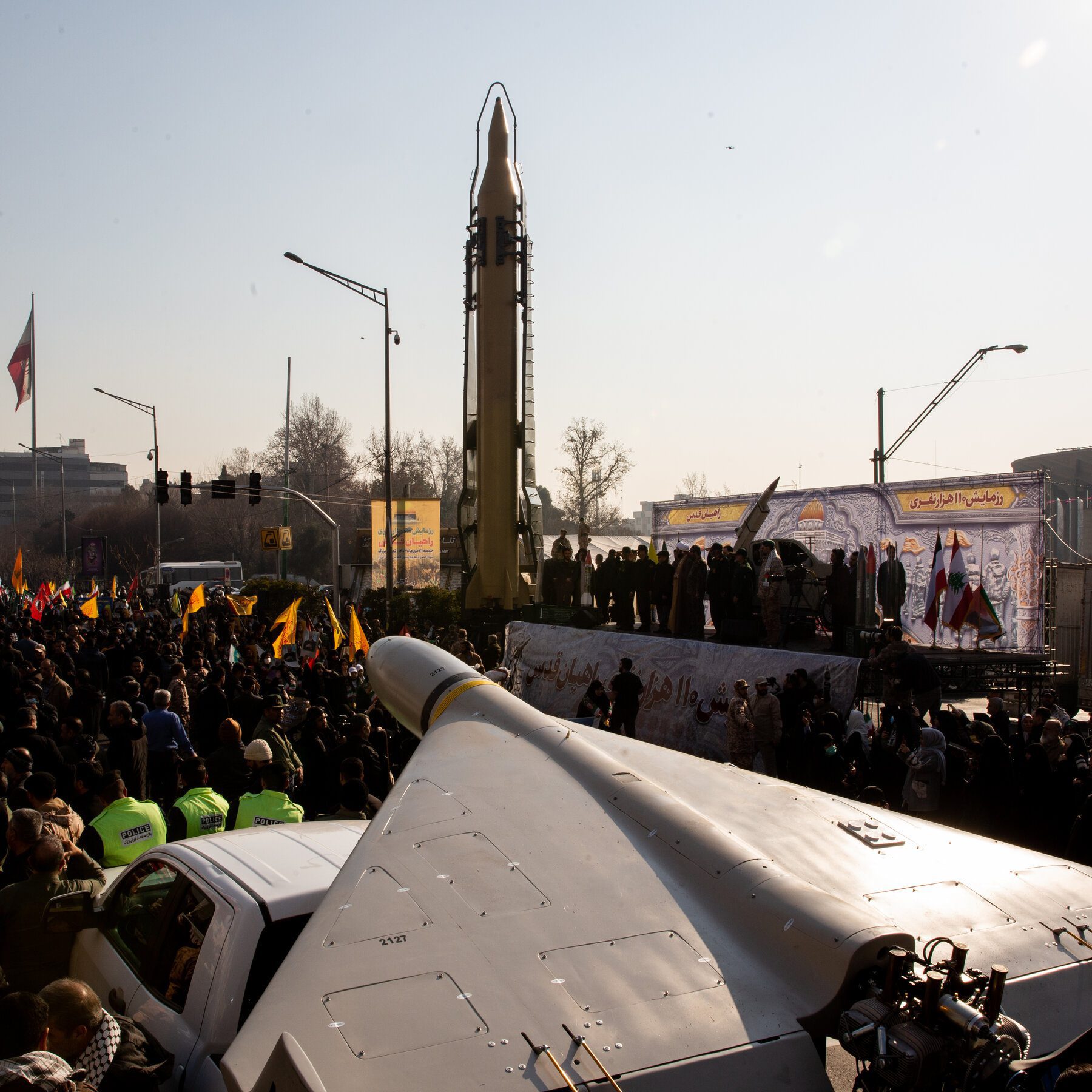
The ongoing conflict in the Middle East has brought attention to Iran’s production of cheap drones, which remain a significant wild card in the region’s escalating tensions. As the situation continues to unfold, the importance of halting Iran’s drone production has become increasingly apparent, particularly in relation to securing the Strait of Hormuz and protecting Gulf nations from attacks. With the threat of these drones looming large, the international community is faced with the daunting task of stopping their production, raising questions about the feasibility of such an endeavor.
The Strait of Hormuz is a critical waterway, with a substantial portion of the world’s oil supply passing through it. Iran’s ability to disrupt the flow of oil through the strait has significant implications for the global economy, making it essential to address the issue of its drone production. The use of drones has enabled Iran to launch attacks on Gulf nations, further destabilizing the region and exacerbating existing tensions.
The production of cheap drones has made them increasingly accessible to various groups, including those with malicious intentions. This accessibility has raised concerns about the potential for these drones to be used in attacks on civilian and military targets, underscoring the need for effective measures to counter this threat. As the international community grapples with the challenges posed by Iran’s drone production, it is clear that a comprehensive approach will be required to mitigate the risks associated with these devices.
The complexity of the issue is compounded by the fact that Iran’s drone production is not limited to military applications. The country has also been using drones for other purposes, such as surveillance and reconnaissance, which has made it difficult to distinguish between military and non-military uses. This ambiguity has hindered efforts to develop effective countermeasures, as it is challenging to identify and target specific drone production facilities without inadvertently disrupting non-military activities.
As the situation continues to evolve, it is likely that the international community will face increasing pressure to find a solution to the problem of Iran’s drone production. With the stakes high and the potential consequences of inaction severe, the need for a coordinated and effective response has never been more pressing. The coming days and weeks will be crucial in determining the course of events, as diplomats and policymakers work to find a way to address the threat posed by Iran’s drones and restore stability to the region.
The global implications of Iran’s drone production are far-reaching, with the potential to impact not only the Middle East but also other regions around the world. As such, it is essential that the international community approaches this issue with a sense of urgency and cooperation, recognizing the need for a collective response to mitigate the risks associated with these devices. By working together, it may be possible to find a solution to the problem of Iran’s drone production, ultimately contributing to a more stable and secure world.
This article may be prepared with the assistance of artificial intelligence (AI) and is reviewed before publication. While we aim for accuracy and timeliness, readers should verify important facts from official or primary sources. If you believe any information is inaccurate or that any content infringes your rights, please contact ainewsbreaking.com for review and appropriate action.