
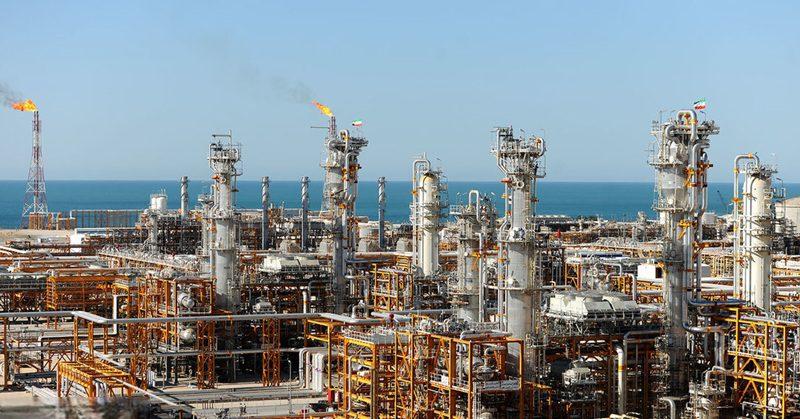
Iran’s South Pars Gas Field Hit in Major Escalation, Oil and Gas Prices Surge Worldwide
A strike on Iran’s South Pars gas field has sharply escalated fears of a wider energy crisis, after the attack hit one of the world’s most strategically important gas assets and sent oil and gas prices climbing across global markets. South Pars, which Iran shares with Qatar, is the Iranian side of the giant reservoir known in Qatar as the North Field, the largest gas reserve on the planet. Reuters and AP both reported the attack as a major turning point in the conflict, with markets reacting immediately to the threat of broader supply disruption.
The strike appeared to be the most serious attack yet on Iran’s energy infrastructure since the current U.S.-Israeli war against Iran began. Reuters reported that the attack hit Iranian gas facilities in South Pars and Asaluyeh on March 18, 2026, prompting Tehran to warn that energy sites across the Gulf could also be at risk if the conflict widens further.
The immediate market response was swift. Brent crude surged to around or above $109 a barrel in trading after the strike, while European gas prices also jumped as traders began pricing in the risk of more attacks on production sites, export terminals and shipping lanes in the Gulf. Reuters said Brent rose nearly 5%, while the Financial Times reported European gas prices climbing 6.6%.
South Pars matters far beyond Iran because of both its scale and location. Reuters noted that Iran holds roughly one-third of the South Pars/North Dome field shared with Qatar, and that the country uses the overwhelming majority of its gas output at home rather than for exports. AP reported that South Pars supplies about 80% of Iran’s natural gas needs, making it an energy lifeline for electricity generation, heating and industrial demand inside the country.
That domestic importance is exactly why the attack has rattled energy markets. Even though Iran is not a major global gas exporter in the way Qatar is, any strike on such a central field raises fears of cascading disruption across the Gulf’s tightly connected energy system. Traders are also worried that damage to production and processing facilities could be followed by attacks on tanker routes or export terminals, especially around the Strait of Hormuz, a chokepoint for a large share of the world’s oil trade.
The wider regional implications are severe. Reuters reported that after the strike, Tehran warned Gulf energy installations to evacuate, naming facilities in Saudi Arabia, the UAE and Qatar as possible targets in any retaliation. The Financial Times likewise described the hit on South Pars as the first direct strike on this critical part of Iran’s energy sector in the current war, pushing the conflict into a far more dangerous phase for global energy security.
The shared nature of the reservoir has added another layer of alarm. Qatar’s North Field, which is geologically linked to South Pars, is one of the foundations of global LNG supply. Reuters reported that Qatar had already suspended LNG production amid the broader war, putting at risk roughly a fifth of global LNG supply if the disruption drags on. That means the South Pars strike is not just an Iran story but a direct threat to Asian, European and global energy balances.
AP said the strike set facilities ablaze near Asaluyeh on Iran’s Gulf coast, underlining that this was not a symbolic hit but an operationally significant one. The concern now is not only about immediate damage, but about whether the war is moving into a sustained campaign against energy infrastructure. If that happens, the consequences would likely go well beyond a one-day spike in oil prices.
In practical terms, the attack has intensified three separate fears at once: reduced Iranian gas processing capacity, possible retaliation against Gulf producers, and greater danger to shipping through Hormuz. Any one of those could lift prices. Together, they have created a powerful risk premium across oil, gas and transport markets. Reuters said analysts already see further attacks on energy infrastructure as likely to keep pushing prices higher.
This article may be prepared with the assistance of artificial intelligence (AI) and is reviewed before publication. While we aim for accuracy and timeliness, readers should verify important facts from official or primary sources. If you believe any information is inaccurate or that any content infringes your rights, please contact ainewsbreaking.com for review and appropriate action.