
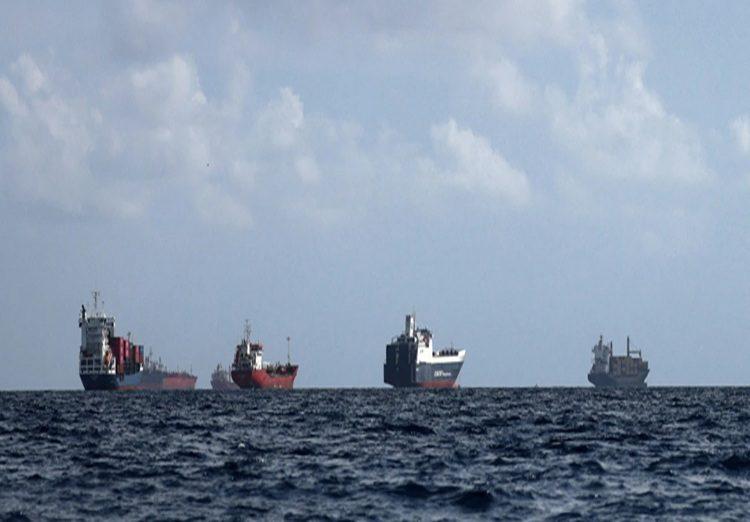
Iran’s Threat to Strait of Hormuz ‘Degraded’, Says CENTCOM After Major Strikes on Naval and Missile Capabilities
The U.S. Central Command (CENTCOM) has stated that Iran’s ability to threaten maritime traffic in the strategically vital Strait of Hormuz has been significantly “degraded” following a series of coordinated military strikes targeting its naval and missile infrastructure.
The assessment comes amid escalating conflict involving Iran, the United States, and Israel, with the Strait of Hormuz emerging as a critical flashpoint due to its importance to global energy supplies.
CENTCOM: “Progress Is Obvious”
According to CENTCOM chief Admiral Brad Cooper, recent military operations have dealt a substantial blow to Iran’s operational capabilities in the region.
U.S. forces have reportedly:
- Struck thousands of military targets
- Destroyed Iranian naval vessels and minelayers
- Hit missile radar and intelligence facilities monitoring ship movements
These actions, officials say, have reduced Iran’s ability to disrupt or threaten freedom of navigation through the Strait.
Targeting Iran’s Coastal Infrastructure
A key part of the operation involved airstrikes on underground coastal facilities believed to house anti-ship missiles and related equipment.
By disabling these sites, CENTCOM aims to:
- Prevent missile attacks on commercial shipping
- Limit Iran’s surveillance over maritime traffic
- Restore safe passage through one of the world’s busiest oil transit routes
The strikes also targeted radar relays and intelligence networks used to track vessels moving through the region.
Strategic Importance of the Strait of Hormuz
The Strait of Hormuz is one of the most critical waterways in the world:
- Around 20% of global oil supply passes through it
- It is a key route for liquefied natural gas exports
- Any disruption can trigger global energy price spikes
Recent tensions have already caused major disruptions to shipping and oil exports, with some countries halting production due to blocked transit routes.
Iran Still Capable of Retaliation
Despite CENTCOM’s claims, Iran continues to demonstrate offensive capabilities.
Recent developments include:
- Missile and drone strikes targeting U.S. and allied bases
- Long-range ballistic missile launches
- Continued threats to regional security
This suggests that while its maritime threat may be weakened, Iran retains significant asymmetric capabilities.
Ongoing Military Campaign
The U.S. and its allies have intensified operations aimed at:
- Securing maritime routes
- Neutralizing Iranian naval forces
- Preventing closure of the Strait
More than 20 countries have reportedly pledged efforts to ensure safe navigation in the region, highlighting the global stakes involved.
Global Energy and Economic Impact
The tensions around the Strait of Hormuz have already had far-reaching consequences:
- Oil prices have surged to multi-year highs
- Shipping routes have been disrupted
- Energy-dependent economies are facing uncertainty
Any prolonged instability could further impact global markets and supply chains.
This article may be prepared with the assistance of artificial intelligence (AI) and is reviewed before publication. While we aim for accuracy and timeliness, readers should verify important facts from official or primary sources. If you believe any information is inaccurate or that any content infringes your rights, please contact ainewsbreaking.com for review and appropriate action.