Israel Announces Plan to Seize Expanded Buffer Zone in Southern Lebanon Amid Rising Tensions with Hezbollah
In a significant escalation along its northern frontier, Israel has declared that it intends to take control of a large buffer zone in southern Lebanon, a move that could dramatically reshape the security dynamics of the region and heighten the risk of a broader conflict with the Iran-backed militant group Hezbollah.
The announcement comes amid intensifying cross-border hostilities and follows months of intermittent clashes that have already displaced thousands and raised international concerns about a potential full-scale war in West Asia.
Israel’s Strategic Shift: Expanding the Buffer Zone
Israeli officials have indicated that the planned buffer zone would extend deeper into southern Lebanon than previous security arrangements, with the goal of pushing Hezbollah forces farther away from the Israeli border.
According to military sources, the objectives behind the move include:
- Preventing rocket and missile attacks on northern Israeli towns
- Creating a physical separation between Hezbollah fighters and Israeli civilians
- Establishing a controlled security belt monitored by Israeli forces
This marks a departure from the existing framework under United Nations Interim Force in Lebanon (UNIFIL), which has been responsible for maintaining peace along the Blue Line—the de facto border between the two countries.
Rising Tensions with Hezbollah
The Iran-backed Hezbollah has been engaged in near-daily exchanges of fire with Israeli forces since the outbreak of wider regional tensions. These clashes have included:
- Rocket barrages into northern Israel
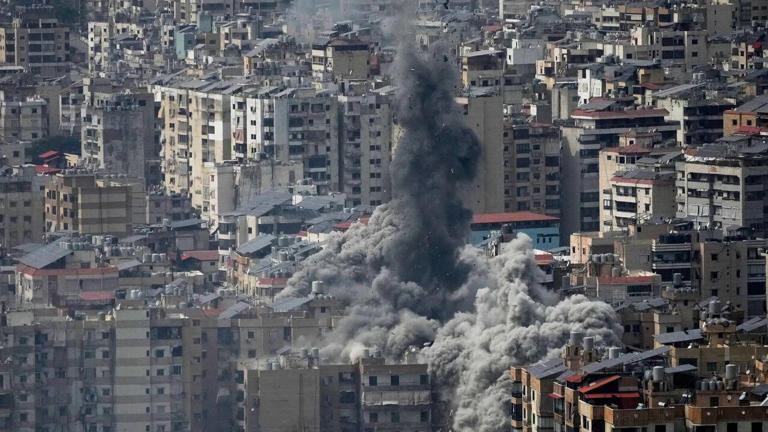
- Israeli airstrikes targeting Hezbollah positions
- Drone incursions and surveillance operations
Hezbollah has long maintained a strong presence in southern Lebanon, despite UN resolutions calling for its withdrawal from the border area. Israel views the group’s growing arsenal of precision-guided missiles as a major national security threat.
Historical Context: Lessons from Past Conflicts
This is not the first time Israel has attempted to establish a buffer zone in southern Lebanon. From 1985 to 2000, Israel maintained a “security zone” in the region to counter militant threats.
That period ended with Israel’s withdrawal in 2000 after sustained resistance from Hezbollah, which claimed victory and significantly boosted its regional standing.
The current proposal raises questions about whether history could repeat itself, particularly given Hezbollah’s increased military capabilities and regional backing from Iran.
Legal and International Concerns
Israel’s announcement is likely to face strong criticism from the international community, with concerns centered on:
- Violation of Lebanese sovereignty
- Potential breach of international law
- Undermining UN peacekeeping efforts
The United Nations has repeatedly called for restraint and adherence to existing agreements, including UN Security Council Resolution 1701, which ended the 2006 war between Israel and Hezbollah.
Lebanon’s Response
Officials in Lebanon have condemned the move, describing it as an act of aggression and warning that it could trigger a wider conflict.
The Lebanese government, already grappling with economic and political crises, faces limited capacity to respond militarily, leaving much of the frontline dynamics in the hands of Hezbollah.
Regional Implications
The proposed buffer zone could have far-reaching consequences for the broader Middle East:
1. Risk of Full-Scale War
A deeper Israeli presence inside Lebanon could provoke a strong response from Hezbollah, potentially escalating into a full-scale war similar to or even more intense than the 2006 conflict.
2. Iran’s Role
Iran, Hezbollah’s primary backer, may increase its support, either directly or through proxies, raising the stakes of the confrontation.
3. Impact on Civilian Populations
- Thousands of civilians on both sides have already been displaced
- Expanded military operations could worsen humanitarian conditions
- Infrastructure damage in southern Lebanon could intensify
Global Reactions and Diplomatic Efforts
World powers and regional actors are closely monitoring the situation. Several countries have urged restraint and called for renewed diplomatic efforts to prevent escalation.
The United Nations Interim Force in Lebanon continues to play a critical role, though its ability to enforce peace has been increasingly challenged by the evolving security situation.
Military Realities on the Ground
Experts note that establishing and maintaining a buffer zone would require:
- A sustained military presence
- Constant surveillance and intelligence operations
- Risk of guerrilla-style attacks by Hezbollah
Given Hezbollah’s experience and entrenched positions, any Israeli incursion could face significant resistance, making the operation costly and complex.
This article may be prepared with the assistance of artificial intelligence (AI) and is reviewed before publication. While we aim for accuracy and timeliness, readers should verify important facts from official or primary sources. If you believe any information is inaccurate or that any content infringes your rights, please contact ainewsbreaking.com for review and appropriate action.