Israel Accused of Systematically Targeting Civilian Infrastructure Amid Escalating Regional Conflict
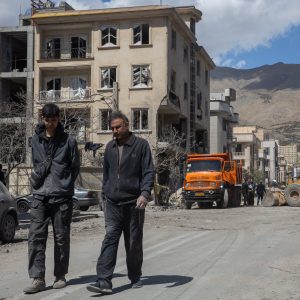
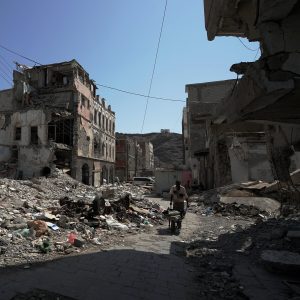
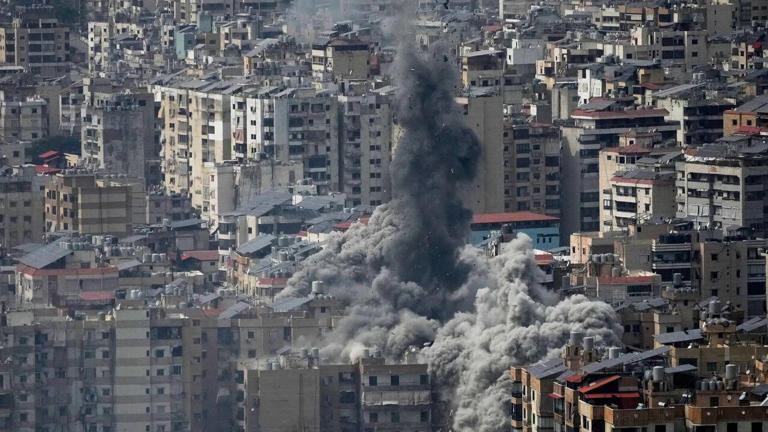
As tensions continue to escalate across the Middle East, accusations have intensified that Israel is deliberately targeting civilian infrastructure as part of its military strategy. Critics, including regional leaders, humanitarian organizations, and international observers, claim that attacks on infrastructure such as power stations, water systems, residential buildings, and public institutions are not isolated incidents but part of a broader policy aimed at weakening adversaries by crippling essential civilian services.
These allegations come amid an already volatile geopolitical environment marked by increasing clashes between Israel and regional actors, including Iran-backed groups operating across several fronts. The ongoing conflict has raised serious concerns about the humanitarian impact on civilian populations and the long-term consequences for regional stability.
Growing Accusations From Regional Leaders
Several leaders and officials from countries in the Middle East have publicly accused Israel of intentionally targeting facilities that are vital to civilian life. They argue that strikes on energy facilities, hospitals, schools, and transportation networks suggest a systematic approach rather than incidental damage caused by military operations.
According to these critics, the destruction of infrastructure serves multiple purposes. First, it disrupts the ability of opposing forces to function effectively by damaging logistical and communication networks. Second, it puts pressure on local populations by creating shortages of electricity, water, and essential services. Third, it can undermine governance structures in territories controlled by Israel’s adversaries.
Statements from regional governments have framed these actions as violations of international humanitarian law, which prohibits deliberate attacks on civilian objects unless they are being used for military purposes. Officials claim that the scale and frequency of such strikes indicate a policy rather than accidental collateral damage.
Humanitarian Concerns Mount
International humanitarian organizations have expressed deep concern about the consequences of infrastructure damage for ordinary civilians. When critical facilities such as water treatment plants or electricity grids are destroyed, the effects extend far beyond the immediate blast zone.
For example, a single strike on a power station can leave entire cities without electricity for days or even weeks. Hospitals may struggle to operate life-saving equipment, water pumps may stop functioning, and communication networks can collapse. The result is a cascade of humanitarian challenges that affect millions of people.
Aid groups warn that repeated attacks on infrastructure can push communities into prolonged humanitarian crises. In regions already facing economic hardship and political instability, rebuilding damaged systems can take months or years.
Human rights advocates argue that such outcomes raise serious questions about whether the principles of proportionality and distinction — core rules under international humanitarian law — are being adequately respected during military operations.
Israel’s Position and Security Arguments
Israeli officials strongly reject the accusation that civilian infrastructure is being targeted as a matter of policy. The government maintains that its military operations are directed exclusively at legitimate military targets and that any damage to civilian facilities occurs only when those locations are used by militant groups.
Israel has repeatedly argued that organizations aligned with Iran often embed military assets within civilian areas. According to Israeli defense authorities, militants frequently operate from residential neighborhoods, store weapons in civilian buildings, or place command centers near hospitals and schools.
Israeli officials say that these tactics intentionally blur the line between civilian and military targets, making it difficult to conduct operations without risking damage to surrounding infrastructure.
From Israel’s perspective, the responsibility for civilian harm lies with armed groups that use civilian environments as shields. The government insists that its military takes precautions to minimize harm, including issuing evacuation warnings, using precision-guided munitions, and conducting intelligence assessments before strikes.
International Law and the Debate Over Infrastructure
The debate surrounding attacks on infrastructure often centers on the interpretation of international humanitarian law. Under the Geneva Conventions and related legal frameworks, civilian objects are protected from attack unless they are being used for military purposes.
For example, if a power plant supplies electricity to military facilities or is used to support military operations, it may be considered a legitimate target. However, critics argue that even in such cases, attacks must still adhere to the principle of proportionality, meaning the expected civilian harm must not outweigh the anticipated military advantage.
Legal experts say that determining whether a strike violates international law often requires detailed knowledge of intelligence assessments and operational planning — information that is rarely made public.
This lack of transparency can make it difficult for outside observers to definitively judge whether specific attacks were lawful or unlawful.
Infrastructure as a Strategic Target in Modern Warfare
The targeting of infrastructure is not unique to the current conflict. Throughout modern history, infrastructure has played a central role in military strategy. During many wars, including conflicts in Europe, Asia, and the Middle East, energy facilities, transportation networks, and communication systems have been targeted to weaken an opponent’s ability to sustain military operations.
Strategists argue that infrastructure often supports both civilian and military functions, making it a “dual-use” target. Power grids, for instance, may provide electricity to both hospitals and military bases. Railways may transport civilians but can also carry military equipment.
Because of this dual-use nature, infrastructure frequently becomes a focal point in military campaigns. However, such targeting remains controversial due to its potentially devastating impact on civilian populations.
The Regional Impact of Escalation
The accusations against Israel come at a time when the broader regional conflict appears to be intensifying. Tensions involving Iran, Israel, and various allied groups across the Middle East have increased dramatically in recent weeks.
Attacks on energy infrastructure, shipping routes, and military installations have heightened fears of a wider regional war. The strategic importance of energy supplies and shipping lanes in the Persian Gulf has also drawn the attention of global powers concerned about disruptions to oil markets and international trade.
Analysts warn that infrastructure attacks — whether targeting energy facilities, ports, or communication networks — could have far-reaching economic consequences. Damage to key facilities can disrupt supply chains, increase energy prices, and destabilize regional economies.
Diplomatic Pressure and International Response
Several countries and international organizations have called for restraint and adherence to international humanitarian law. Diplomatic efforts are underway to prevent further escalation and to address the humanitarian consequences of the conflict.
The United Nations and various human rights bodies have urged all parties to avoid attacks that could harm civilians or critical infrastructure. Investigations into specific incidents have been proposed, though such inquiries often face political and logistical challenges.
Western governments, while generally supportive of Israel’s right to self-defense, have also emphasized the importance of minimizing civilian casualties and protecting essential infrastructure.
Meanwhile, regional actors have pushed for stronger international action, arguing that infrastructure attacks contribute to instability and prolong humanitarian suffering.
Rebuilding and Long-Term Consequences
Even after the fighting eventually subsides, the damage to infrastructure could leave long-lasting scars. Rebuilding power plants, water systems, roads, and hospitals requires massive financial resources and sustained political stability.
In conflict zones, reconstruction efforts often face delays due to security concerns, funding shortages, and political disputes. As a result, civilian populations may endure years of disrupted services and economic hardship.
Experts say that protecting infrastructure during conflicts is crucial not only for humanitarian reasons but also for post-war recovery. When critical systems remain intact, communities can recover more quickly and rebuild their economies.
This article may be prepared with the assistance of artificial intelligence (AI) and is reviewed before publication. While we aim for accuracy and timeliness, readers should verify important facts from official or primary sources. If you believe any information is inaccurate or that any content infringes your rights, please contact ainewsbreaking.com for review and appropriate action.