Israel Launches Overnight Airstrikes in Lebanon, At Least 12 Killed as Middle East Conflict Intensifies
At least 12 people were killed in three separate Israeli airstrikes in Lebanon overnight, according to Lebanese authorities, as the already volatile Middle East conflict continues to intensify. The attacks targeted multiple locations across the country, including areas in southern Lebanon and the outskirts of Beirut, highlighting a dramatic escalation in Israel’s military campaign against armed groups allied with Iran.
The strikes come amid a broader regional conflict involving Israel, Hezbollah, and Iran-backed forces, raising fears that the violence could spiral into a wider war affecting the entire Middle East.
Deadly Night of Airstrikes Across Lebanon
Lebanon’s health ministry reported that three separate Israeli airstrikes overnight killed at least 12 people and wounded several others. The attacks struck different locations, including southern Lebanon and areas around Beirut, according to security officials and local media reports.
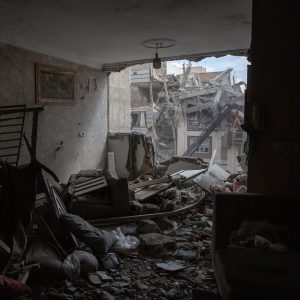
Emergency responders rushed to the sites shortly after the explosions were heard. Ambulances and rescue teams worked through the night searching through rubble for survivors. Witnesses described buildings collapsing and thick plumes of smoke rising above residential areas.
Local residents said the blasts occurred within minutes of each other, creating panic among civilians already traumatized by days of ongoing violence.
Strike on Beirut Hotel Kills Four
One of the most dramatic incidents occurred in central Beirut, where an Israeli airstrike struck an apartment inside a hotel building. At least four people were killed and around ten others injured, including children.
The building, located in the Raouche district, is part of a tourist area that has also been sheltering people displaced by fighting in southern Lebanon. According to security sources, the strike hit a specific apartment believed to be used by operatives connected to Iran’s Islamic Revolutionary Guard Corps.
Israel’s military said the target was commanders from Iran’s Quds Force, whom it accused of directing attacks against Israel from Lebanese territory.
However, Lebanese authorities say civilians were among the victims, adding to mounting concerns about civilian casualties in the conflict.
Israel’s Justification for the Strikes
The Israeli military stated that the overnight attacks were targeted operations against militant groups and Iranian-linked operatives operating in Lebanon. Officials say these individuals were planning or coordinating attacks against Israel.
Israel has repeatedly accused the Lebanese militant group Hezbollah of launching rockets and drones across the border. In response, the Israeli Defense Forces (IDF) have intensified strikes on suspected Hezbollah infrastructure and leadership targets inside Lebanon.
Military officials argue that these actions are necessary to prevent cross-border attacks and to disrupt what Israel describes as Iran’s growing military presence in Lebanon.
Rising Death Toll in Lebanon
The latest airstrikes are part of a rapidly escalating conflict that has already claimed hundreds of lives in Lebanon.
According to officials, the death toll from Israeli operations in the country has surpassed 300 people, while thousands have been wounded. The violence has also forced hundreds of thousands of civilians to flee their homes.
Entire neighborhoods in southern Lebanon and Beirut’s southern suburbs have been emptied as residents seek safety farther north or in neighboring countries.
Humanitarian agencies warn that Lebanon’s fragile economy and infrastructure are struggling to cope with the sudden wave of displaced families.
Broader War in the Middle East
The latest attacks are linked to a wider regional confrontation involving Israel, Iran, and their allies. The conflict intensified after military operations targeting Iranian assets earlier this year.
Hezbollah, an Iranian-backed militant group based in Lebanon, began launching projectiles toward northern Israel earlier in March. Israel responded with heavy airstrikes across Lebanese territory.
Since then, both sides have exchanged attacks almost daily.
Military analysts warn that the situation could quickly evolve into a full-scale war between Israel and Hezbollah, which would likely draw in regional powers and dramatically worsen the humanitarian crisis.
Civilian Areas Increasingly Affected
A troubling aspect of the conflict is the growing number of strikes occurring in or near civilian areas.
The Beirut hotel strike highlighted how locations previously considered safe are now at risk. The Raouche district is normally known for tourism, restaurants, and seaside attractions.
In recent days, however, it has also become a refuge for families fleeing heavy bombardment in southern Lebanon.
Residents say the sense of security in Beirut has largely disappeared.
One witness told local media that the explosion shook nearby buildings and sent glass flying through the streets. “People started running everywhere,” the witness said.
Israel Expands Target List
Israel’s military campaign in Lebanon has broadened significantly in recent weeks.
Early strikes primarily targeted Hezbollah positions near the Israeli border, but recent operations have expanded deeper into Lebanese territory, including central Beirut and eastern regions.
Some of these operations have involved special forces raids, intelligence missions, and large-scale airstrikes designed to destroy weapons depots, missile launchers, and command centers.
According to Israeli officials, the goal is to dismantle Hezbollah’s military capabilities and prevent future attacks on Israeli cities.
Hezbollah Response and Threat of Escalation
Hezbollah has vowed to retaliate for the strikes and has continued launching rockets toward northern Israel.
The group, which is considered one of the most powerful non-state armed forces in the world, reportedly has tens of thousands of fighters and a large arsenal of missiles.
Security experts warn that if the current pace of attacks continues, the conflict could evolve into the largest Israel-Hezbollah war since 2006.
Such a war would likely involve widespread missile exchanges, major civilian casualties, and severe damage across both Israel and Lebanon.
International Concern Grows
World leaders and international organizations have expressed growing alarm over the rapidly escalating conflict.
The United Nations has called for immediate restraint and renewed diplomatic efforts to prevent the situation from spiraling further out of control.
Human rights organizations have also urged all sides to respect international humanitarian law and to avoid targeting civilian areas.
Many countries fear the conflict could disrupt global markets, particularly energy supplies, as tensions spread across the Middle East.
Lebanon’s Political and Humanitarian Crisis
The renewed fighting comes at a time when Lebanon is already facing one of the worst economic crises in its history.
Years of financial collapse, political instability, and infrastructure failures have left the country struggling to provide basic services.
The latest wave of airstrikes threatens to deepen the crisis by damaging infrastructure, displacing families, and overwhelming hospitals.
Medical workers say emergency rooms are filling up with victims of bombings and missile strikes, while shortages of medicines and equipment complicate treatment.
Fear Among Civilians
For ordinary people in Lebanon, the escalating violence has created a constant sense of fear.
Families are sleeping in basements, schools are closing in some areas, and many residents are preparing emergency bags in case they must flee their homes.
Parents worry about the safety of their children as air raid sirens and explosions become increasingly common.
Aid groups say psychological trauma is also becoming widespread, particularly among children who have experienced repeated bombardments.
What Could Happen Next
Military analysts say the situation remains extremely unpredictable.
Three possible scenarios are being discussed by experts:
- Limited conflict – Continued strikes and retaliatory attacks without a full-scale war.
- Major Israel-Hezbollah war – Large-scale missile exchanges and ground fighting.
- Regional escalation – Direct involvement of Iran or other countries, expanding the conflict across the Middle East.
Diplomatic efforts are underway behind the scenes, but so far there are no signs of an immediate ceasefire.
This article may be prepared with the assistance of artificial intelligence (AI) and is reviewed before publication. While we aim for accuracy and timeliness, readers should verify important facts from official or primary sources. If you believe any information is inaccurate or that any content infringes your rights, please contact ainewsbreaking.com for review and appropriate action.