Israel Strikes 200+ Iranian Targets as IDF Launches Massive Air Assault Across Central and Western Iran
The Israel Defense Forces (IDF) have launched one of the most extensive airstrike waves in the ongoing Israel–Iran war, hitting more than 200 Iranian regime-linked targets across central and western Iran within 24 hours, according to military officials. The attacks mark a significant escalation in the conflict that has already destabilized the Middle East and pushed global tensions to new highs.
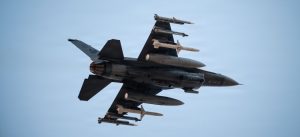
Israeli military sources said dozens of Israeli Air Force fighter jets carried out around 20 waves of strikes, guided by intelligence gathered over recent weeks. The strikes targeted ballistic missile launchers, air defense systems, weapons production facilities, and other military infrastructure linked to Iran’s Revolutionary Guard and allied groups.
The large-scale operation is part of Israel’s broader campaign aimed at crippling Iran’s military capabilities and reducing the threat of missile and drone attacks against Israeli territory. The war, which began in late February, has rapidly expanded into one of the most intense military confrontations in the region in decades.
Massive Air Campaign Across Iran
According to Israeli military statements, the attacks focused primarily on strategic military sites across central and western Iran, areas that host several missile bases and defense installations.
Among the key targets reportedly struck were:
- Ballistic missile launch platforms believed to be used to fire rockets toward Israel
- Air defense batteries and radar installations protecting Iranian military bases
- Weapons manufacturing facilities used to produce drones and missiles
- Command centers linked to the Islamic Revolutionary Guard Corps (IRGC)
Israeli officials said the attacks were designed to degrade Iran’s missile infrastructure and prevent further strikes against Israeli cities.
Footage released by Israeli military sources reportedly showed large explosions and fires at several military sites, suggesting heavy damage to the targeted facilities.
Operation Part of Wider War Campaign
The strikes are part of a broader military campaign that began on February 28, 2026, when Israel launched Operation Lion’s Roar, a coordinated military assault on Iranian nuclear and military infrastructure.
The operation reportedly involved cooperation between Israeli forces and U.S. military assets, although the exact scale of U.S. involvement has varied in reports.
Since the operation began:
- Thousands of military targets across Iran have been attacked
- Iranian missile launch sites have been repeatedly targeted
- Naval assets and defense systems have been destroyed
U.S. Central Command said around 6,000 targets inside Iran have been hit during the wider campaign so far, highlighting the scale of the ongoing conflict.
Israeli Military Claims “Air Superiority”
Israeli defense officials claim the campaign has allowed the Israeli Air Force to establish significant air superiority over parts of Iran, enabling deeper strikes into the country’s interior.
Military commanders say this has made it possible to conduct multiple waves of attacks in a single day, targeting both fixed infrastructure and mobile missile launch systems.
According to military statements, more than 300 ballistic missile launchers have been destroyed since the start of the campaign, dramatically reducing Iran’s capacity to fire long-range rockets at Israel.
However, Iranian officials have not confirmed the scale of the damage and have vowed to retaliate.
Iran Promises Retaliation
Iran’s leadership has warned that the attacks will not go unanswered.
Tehran has repeatedly threatened:
- Missile strikes against Israeli cities
- Drone attacks on regional bases and shipping lanes
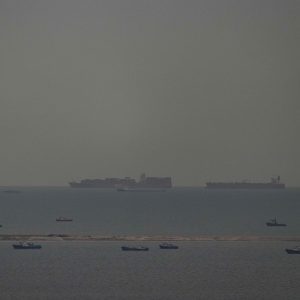
- Possible disruption of the Strait of Hormuz, a critical global oil shipping route
Iran’s new Supreme Leader, Mojtaba Khamenei, has vowed a “regret-inducing punishment” for Israel and its allies, signaling that the conflict could escalate further.
Iran has already launched missile and drone attacks toward Israeli territory and allied targets in the region, though many have been intercepted by air defense systems.
Regional Tensions Spreading
The conflict is increasingly affecting other countries in the Middle East.
Recent developments include:
- Drone interceptions near Saudi Arabia
- Rocket and drone attacks on Israel from Iran-linked groups
- Strikes on Hezbollah targets in Lebanon
In Lebanon, Israeli strikes on Hezbollah infrastructure have caused significant casualties and displacement, further widening the scope of the conflict.
Analysts warn that if the fighting continues to expand, it could trigger a wider regional war involving multiple states and armed groups.
Rising Global Impact
The war between Israel and Iran is already producing major economic and geopolitical consequences worldwide.
Key impacts include:
1. Oil Prices Surging
Global oil markets have been shaken by the possibility that Iran could block shipping through the Strait of Hormuz, one of the world’s most important energy corridors.
Oil prices have already climbed sharply amid fears of supply disruptions.
2. Global Security Concerns
Western governments have warned that the conflict could:
- Disrupt international trade
- Trigger cyberattacks and proxy conflicts
- Create new refugee crises in the region
3. Diplomatic Pressure
Several countries and international organizations are urging immediate de-escalation, fearing the conflict could spiral into a broader global crisis.
Heavy Human Cost
Although military targets have been the focus of the strikes, the war has already caused significant casualties and humanitarian damage.
Since the fighting began:
- More than 2,000 people have reportedly been killed across the region
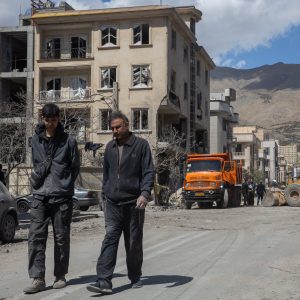
- Infrastructure damage has been reported in multiple cities
- Civilian displacement is increasing in several conflict zones
The war has also triggered airspace closures, evacuation orders, and emergency alerts across several countries.
Strategic Debate Inside Israel
Despite the large-scale military operations, some Israeli officials and analysts have questioned whether the air campaign alone can achieve long-term strategic goals.
Security experts warn that:
- Airstrikes may damage Iran’s military infrastructure but not topple the regime
- Iran may still retain enough enriched uranium to develop nuclear weapons in the future
- The war could strengthen hardliners within Iran rather than weaken them.
These concerns have sparked debate over the next phase of Israel’s strategy.
This article may be prepared with the assistance of artificial intelligence (AI) and is reviewed before publication. While we aim for accuracy and timeliness, readers should verify important facts from official or primary sources. If you believe any information is inaccurate or that any content infringes your rights, please contact ainewsbreaking.com for review and appropriate action.