Israeli Leader Sends Cautionary Message to Iran’s New Supreme Leader Amid Rising Tensions
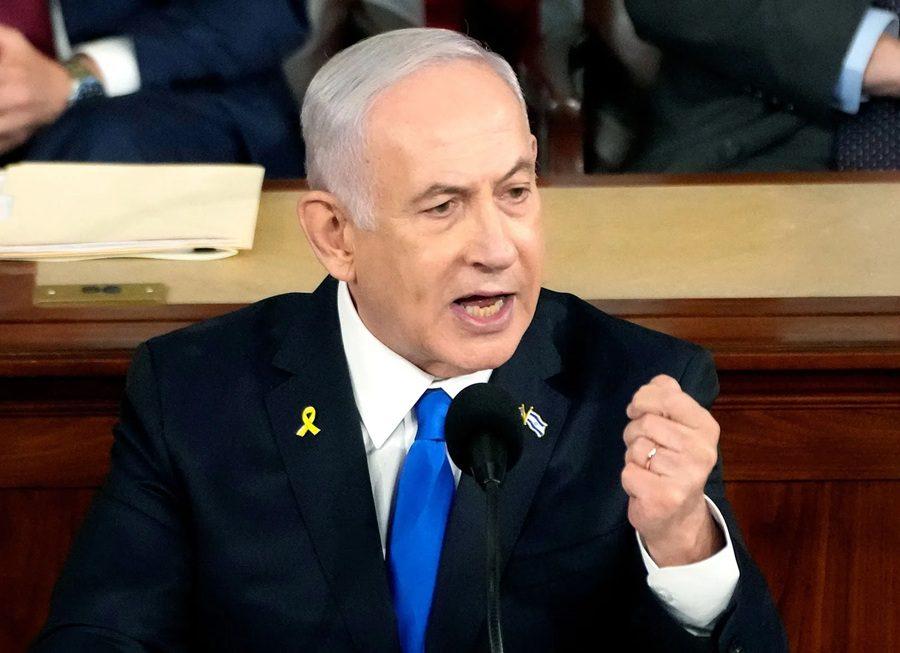
In a move that has sparked widespread attention and concern, Israeli Prime Minister Benjamin Netanyahu has issued a veiled warning to Iran’s newly appointed Supreme Leader, signaling a potentially deteriorating relationship between the two nations. This development comes at a time of heightened tensions in the Middle East, with both countries locked in a longstanding dispute over various geopolitical and ideological issues.
Netanyahu’s comments, while subtle in nature, convey a clear message that Israel will not hesitate to take decisive action if it perceives any threat to its national security or interests. The Israeli leader’s statement has been interpreted by many as a thinly veiled warning to the new Iranian Supreme Leader, who is expected to play a pivotal role in shaping the country’s foreign policy and nuclear program.
The appointment of a new Supreme Leader in Iran has significant implications for the region, particularly in the context of the country’s nuclear ambitions and its relations with Western nations. Iran has consistently maintained that its nuclear program is for peaceful purposes, but Israel and other countries have expressed concerns that the program could be used to develop nuclear weapons.
Netanyahu’s warning to Iran’s new Supreme Leader is seen as an attempt to remind the country’s leadership of the potential consequences of pursuing a nuclear program that could be used for military purposes. The Israeli leader has long been a vocal critic of Iran’s nuclear ambitions, and his government has taken a firm stance against any attempts by Tehran to develop nuclear weapons.
The timing of Netanyahu’s comments is also significant, coming at a time when the international community is engaged in efforts to revive the Joint Comprehensive Plan of Action (JCPOA), also known as the Iran nuclear deal. The deal, which was signed in 2015, imposed restrictions on Iran’s nuclear program in exchange for relief from economic sanctions. However, the agreement has been on shaky ground since the United States withdrew from it in 2018, and negotiations to revive the deal have been slow to progress.
The Israeli government has been skeptical of the JCPOA from the outset, arguing that it does not do enough to prevent Iran from developing nuclear weapons. Netanyahu’s warning to Iran’s new Supreme Leader is likely to further complicate efforts to revive the deal, as it will likely be seen as an attempt to undermine the negotiations.
As tensions between Israel and Iran continue to escalate, there are concerns that the region could be plunged into chaos. The conflict between the two nations has the potential to draw in other countries, including the United States, which has a long-standing alliance with Israel. The international community will be watching developments closely, hoping to avoid a conflict that could have far-reaching consequences for the region and the world at large.
In conclusion, the warning issued by Netanyahu to Iran’s new Supreme Leader is a clear indication of the deep-seated tensions between the two nations. As the situation continues to unfold, it remains to be seen how Iran will respond to Netanyahu’s comments, and what implications this will have for the region. One thing is certain, however: the conflict between Israel and Iran has the potential to escalate into a full-blown crisis, with devastating consequences for the entire world.
This article may be prepared with the assistance of artificial intelligence (AI) and is reviewed before publication. While we aim for accuracy and timeliness, readers should verify important facts from official or primary sources. If you believe any information is inaccurate or that any content infringes your rights, please contact ainewsbreaking.com for review and appropriate action.