
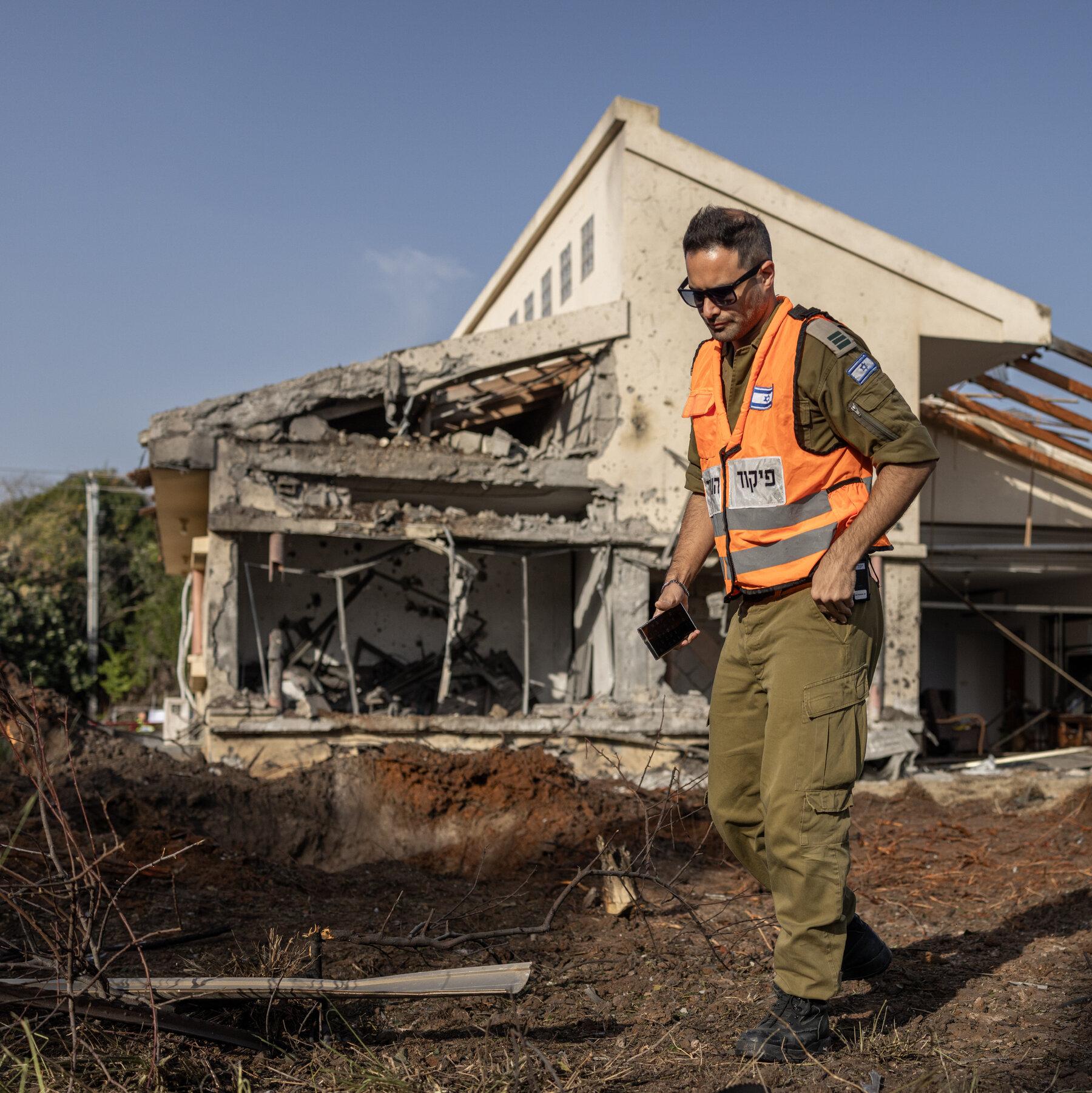
Israeli-Palestinian Tensions Escalate: Hezbollah Surpasses Expectations in Latest Conflict
Hezbollah, a Lebanon-based Iran-backed militant group, has left many observers stunned by the ferocity and scale of its recent attacks on Israel, challenging perceptions that the organization had been significantly weakened. Despite concerns about its military capabilities, Hezbollah has proven its resilience, showcasing its continued ability to pose a formidable challenge to Israeli forces. The surprise has sparked renewed attention to the ongoing conflict and its implications for regional stability.
The recent surge in violence, which began in late March, has seen both sides exchange heavy artillery fire and missiles. In a move that has drawn concern from the international community, Hezbollah launched a series of targeted attacks on Israeli military targets, causing widespread damage and prompting warnings of a potential escalation.
Israeli officials have accused Hezbollah of violating a long-standing ceasefire agreement, which has helped maintain a fragile peace in the region. In response, Israel has launched retaliatory airstrikes against Hezbollah positions in Lebanon, leading to further deterioration of the situation.
Hezbollah’s sudden display of strength has raised questions about its internal dynamics and the extent of its support from Iran. Analysts point to increased military cooperation between Iran and Hezbollah in recent years, leading to concerns about a potential proxy war in the region.
The intensity of the conflict has also led to a significant humanitarian crisis, with reports of civilian casualties and displacement in both Israel and Lebanon. International organizations have expressed concern about the escalating violence and its potential consequences for regional residents.
As tensions continue to rise, there are concerns that the situation could spill over into neighboring countries. The United States, along with other major powers, has called for a de-escalation of the conflict and an end to the violence.
With the conflict showing no signs of abating, regional leaders are scrambling to find a diplomatic solution to the crisis. The latest developments have underscored the need for sustained international efforts to prevent further escalation and promote a lasting peace in the region.
This article may be prepared with the assistance of artificial intelligence (AI) and is reviewed before publication. While we aim for accuracy and timeliness, readers should verify important facts from official or primary sources. If you believe any information is inaccurate or that any content infringes your rights, please contact ainewsbreaking.com for review and appropriate action.