
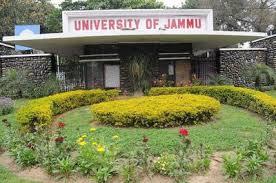
Jammu University Sparks Controversy with Addition of Jinnah Chapter to Syllabus
A recent decision by Jammu University to include a chapter on Muhammad Ali Jinnah in its curriculum has sparked protests from the student body. The university has defended its move, stating that the chapter is part of a broader academic curriculum that is already being taught in several other universities across India. According to the university, the inclusion of the chapter on Jinnah is in line with the guidelines set by the University Grants Commission.
The University Grants Commission is a statutory body responsible for coordinating and determining the standards of higher education in India. Its guidelines are binding on all universities in the country, and Jammu University has maintained that it is simply following these guidelines by including the chapter on Jinnah. The university’s decision to add the chapter is seen as an attempt to provide students with a comprehensive understanding of the historical context surrounding India’s partition.
The student body at Jammu University has, however, expressed strong objections to the inclusion of the chapter. The students have argued that Jinnah’s role in the partition of India is a highly contentious issue, and that including a chapter on him in the syllabus is unnecessary. The protests have highlighted the deep-seated divisions that still exist in India over the country’s partition and the legacy of its founding fathers.
The controversy at Jammu University is not an isolated incident. Debates over the inclusion of certain historical figures and events in academic curricula are common in India. The country’s complex and often fraught history has made it difficult for educators to navigate the fine line between providing a comprehensive education and avoiding controversy.
Jammu University has maintained that its decision to include the chapter on Jinnah is purely academic and not driven by any political considerations. The university has argued that students need to be aware of the historical context surrounding India’s partition and the role that various figures, including Jinnah, played in shaping the country’s history.
The University Grants Commission guidelines emphasize the importance of providing students with a nuanced understanding of historical events. By including a chapter on Jinnah, Jammu University is attempting to provide its students with a more comprehensive understanding of the complex historical context surrounding India’s partition. The controversy surrounding the chapter has, however, highlighted the need for educators to approach such sensitive topics with caution and sensitivity.
As the debate over the inclusion of the chapter on Jinnah continues, Jammu University has reiterated its commitment to providing students with a high-quality education that is grounded in academic rigor and intellectual curiosity. The university has also expressed its willingness to engage with the student body and other stakeholders to address any concerns they may have over the inclusion of the chapter.
The outcome of the controversy at Jammu University remains to be seen. One thing is certain, however: the debate over the inclusion of the chapter on Jinnah has highlighted the importance of approaching historical events with sensitivity and nuance. As Indian universities continue to navigate the complex landscape of historical education, they will need to balance the need to provide students with a comprehensive education with the need to avoid controversy and sensitivity.
This article may be prepared with the assistance of artificial intelligence (AI) and is reviewed before publication. While we aim for accuracy and timeliness, readers should verify important facts from official or primary sources. If you believe any information is inaccurate or that any content infringes your rights, please contact ainewsbreaking.com for review and appropriate action.