JD Vance Emerges as Key Negotiator as Pakistan Pushes to Host US-Iran Peace Talks Amid Middle East Crisis
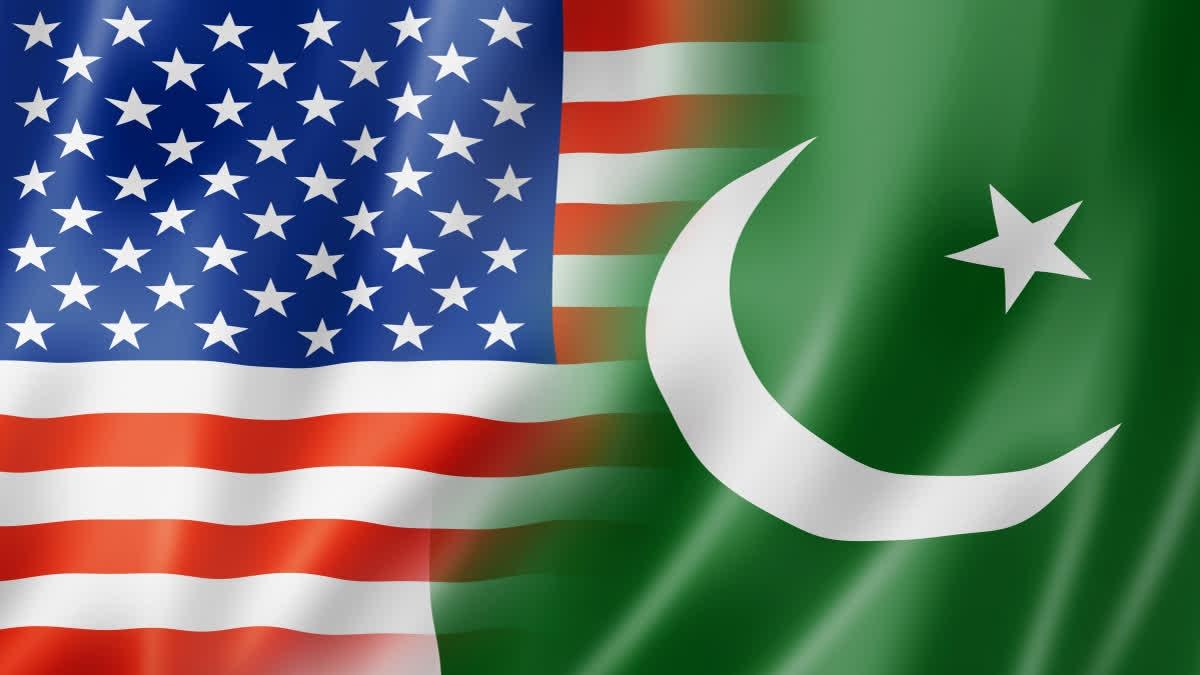
Amid escalating tensions in the Middle East, fresh diplomatic efforts are underway to de-escalate the conflict, with Pakistan positioning itself as a potential mediator between the United States and Iran. At the center of these developments is US Vice-President JD Vance, who is being considered as a possible chief negotiator if talks materialize.
According to diplomatic sources, preliminary discussions are underway to initiate negotiations in Islamabad as early as next week. However, officials caution that no formal agreement has yet been reached, and the situation remains fluid.
Pakistan Steps Forward as a Mediator
Shehbaz Sharif, the Prime Minister of Pakistan, has publicly expressed his country’s willingness to facilitate dialogue aimed at ending the ongoing conflict in the Middle East. Emphasizing Pakistan’s neutral and constructive role, Sharif stated that Islamabad is prepared to support “meaningful and conclusive talks” between the involved parties.
Pakistan’s offer comes at a critical moment, as global concerns mount over the potential for a prolonged conflict that could destabilize the region further and disrupt global energy markets.
Islamabad’s strategic location, coupled with its diplomatic ties with both Washington and Tehran, positions it as a viable venue for negotiations. The move also reflects Pakistan’s ambition to play a larger role in international diplomacy and conflict resolution.
JD Vance’s Potential Role in Negotiations
Sources indicate that JD Vance is being proposed as the leading representative for the United States in any potential talks with Iran. His involvement could mark a significant shift in Washington’s diplomatic approach.
Vance, who has been actively engaged in foreign policy discussions since assuming office, is seen by some policymakers as a pragmatic figure capable of navigating complex geopolitical negotiations. His potential appointment as chief negotiator suggests that the US may be exploring new diplomatic channels to resolve tensions with Iran.
Iran’s Conditions for Dialogue
On the Iranian side, officials have signaled a willingness to engage in talks, but with clear conditions. Notably, Tehran has reportedly رفض engaging with key figures associated with previous US diplomatic efforts.
Iranian sources have indicated that they would not participate in negotiations led by Steve Witkoff or Jared Kushner. The latter played a prominent role in earlier US-led initiatives, including negotiations related to Iran’s nuclear program.
This stance highlights lingering mistrust stemming from past diplomatic engagements and underscores the challenges that lie ahead in bringing both sides to the negotiating table.
Background: Rising Middle East Tensions
The push for talks comes against the backdrop of escalating hostilities in the Middle East, involving multiple regional actors. The conflict has raised fears of a broader regional war, with potential implications for global security and economic stability.
Rising oil prices, supply chain disruptions, and concerns over energy security have added urgency to diplomatic efforts. The international community is closely monitoring the situation, with several countries calling for immediate de-escalation.
Why Islamabad? Strategic and Diplomatic Significance
The choice of Islamabad as a potential venue is not случай. Pakistan has historically maintained a delicate balance in its relations with both the United States and Iran.
Key factors supporting Islamabad’s candidacy include:
- Neutral Ground: पाकिस्तान is perceived as relatively neutral compared to other regional players
- Diplomatic Access: Established communication channels with both Washington and Tehran
- Security Infrastructure: Capability to host high-level international negotiations
- Regional Influence: Strategic importance in South and Central Asia
Hosting such talks could elevate Pakistan’s diplomatic standing on the global stage.
Challenges Ahead
Despite the optimism surrounding potential talks, several obstacles remain:
1. Lack of Formal Agreement
There is currently no официальное confirmation that both sides have agreed to participate in negotiations.
2. Trust Deficit
Years of strained relations between the US and Iran have created deep mistrust, complicating efforts to reach a соглашение.
3. Diverging Interests
Both countries have differing strategic priorities, particularly concerning regional influence, nuclear policy, and security concerns.
4. Internal and External Pressures
Political dynamics within both nations, as well as pressure from allies and regional actors, could impact the переговоры.
Global Implications of Potential Talks
If successful, US-Iran negotiations facilitated by Pakistan could have far-reaching consequences:
- De-escalation of Regional Conflict
- Stabilization of Global Oil Markets
- Revival of Diplomatic Engagements
- Reduction in Military Tensions
Conversely, failure to initiate or sustain talks could exacerbate the crisis, leading to further instability.
International Reactions
The международное сообщество has responded cautiously to reports of potential negotiations. While many countries welcome any effort toward peace, there is also skepticism about the feasibility of such talks given the current geopolitical climate.
European nations, in particular, have been advocating for renewed diplomatic engagement with Iran, especially concerning nuclear issues and regional security.
Looking Ahead
As diplomatic efforts continue behind the scenes, the coming days will be crucial in determining whether Islamabad becomes the stage for a significant breakthrough in US-Iran relations.
The potential involvement of JD Vance adds an intriguing dimension to the переговоры, signaling a possible shift in US strategy.
However, much will depend on whether both sides can overcome longstanding differences and commit to constructive dialogue.
This article may be prepared with the assistance of artificial intelligence (AI) and is reviewed before publication. While we aim for accuracy and timeliness, readers should verify important facts from official or primary sources. If you believe any information is inaccurate or that any content infringes your rights, please contact ainewsbreaking.com for review and appropriate action.