Lebanon Expels Iran’s Ambassador-Designate, Declares Him Persona Non Grata Amid Escalating West Asia Tensions
Lebanon has taken a dramatic and unprecedented diplomatic step by declaring Iran’s ambassador-designate persona non grata, ordering him to leave the country by Sunday. The move marks a sharp escalation in tensions between Beirut and Tehran and reflects the rapidly shifting geopolitical landscape in West Asia amid the ongoing Iran-Israel conflict.
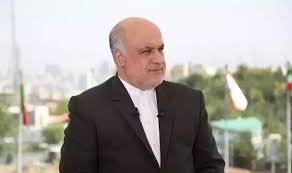
The Lebanese Foreign Ministry confirmed that it had withdrawn its approval for Iran’s incoming ambassador, Mohammad Reza Sheibani, and instructed him to exit Lebanese territory within days. This rare and significant diplomatic measure signals a clear deterioration in relations between the two nations, which have historically maintained close ties, particularly through Iran’s support of the Hezbollah movement in Lebanon.
What Does ‘Persona Non Grata’ Mean?
Declaring a diplomat “persona non grata” is one of the strongest tools available in international diplomacy. It effectively means that the host country no longer recognizes the diplomat’s legitimacy and demands their immediate departure. In this case, Lebanon’s decision underscores the seriousness of its grievances with Iran and its desire to assert greater control over its internal affairs.
Reasons Behind Lebanon’s Decision
Lebanese authorities cited violations of diplomatic norms and established protocols by Iran as the primary reason for the expulsion. While officials did not elaborate extensively on the specific incidents, the broader context points to long-standing concerns about Iranian interference in Lebanon’s domestic politics and security landscape.
For years, Iran has wielded significant influence in Lebanon through Hezbollah, a powerful political and militant organization. However, recent developments suggest that Lebanon’s government is now actively seeking to distance itself from Tehran’s influence.
Earlier this month, the Lebanese government took the unprecedented step of banning Hezbollah’s military activities, declaring that all armed operations must be under the exclusive authority of the state. This move was widely interpreted as an attempt to reassert sovereignty and reduce foreign interference, particularly from Iran.
Growing Crackdown on Iranian Influence
Lebanon’s expulsion of the Iranian ambassador-designate is not an isolated action but part of a broader crackdown on Iranian influence within the country. Reports indicate that Lebanese authorities have been increasingly critical of Iran’s Revolutionary Guard Corps (IRGC), accusing it of operating within Lebanon and contributing to escalating tensions with Israel.
In recent weeks, Lebanon has taken several steps to curb the presence and activities of Iranian-linked actors. These include restricting military operations by non-state groups, tightening security measures, and calling for the disarmament of Hezbollah’s armed wing.
The government has also recalled its own ambassador from Tehran for consultations, signaling that diplomatic relations between the two countries are under serious strain.
Context: Escalating Regional Conflict
Lebanon’s decision comes against the backdrop of an intensifying regional conflict involving Iran, Israel, and the United States. The situation has rapidly deteriorated into a broader war, with multiple countries being drawn into the crisis.
The conflict escalated after a series of high-profile attacks, including the assassination of Iran’s Supreme Leader, which triggered retaliatory strikes across the region. Since then, Israel has carried out extensive airstrikes targeting Iranian and Hezbollah-linked infrastructure in Lebanon, while Iran has launched missile attacks on Israeli cities.
Lebanon has found itself increasingly caught in the crossfire. Hezbollah’s involvement in the conflict—launching rockets into Israel—has further complicated the situation and exposed the country to retaliatory strikes.
Lebanon’s Changing Political Stance
Historically, Lebanon has maintained a delicate balance in its relationship with Iran, largely due to Hezbollah’s significant political and military influence within the country. However, the current crisis appears to have shifted this balance.
Lebanese leaders have become more vocal in criticizing Hezbollah’s actions, describing them as unauthorized and harmful to national security. The government has emphasized that decisions related to war and peace must rest solely with the state, not with non-state actors.
This shift reflects a broader effort to reassert state authority and prevent Lebanon from becoming a battleground for regional conflicts.
Impact on Iran-Lebanon Relations
The expulsion of Iran’s ambassador-designate represents a major setback for diplomatic relations between the two countries. It signals a breakdown in trust and raises questions about the future of their ties.
Iran has long viewed Lebanon as a key ally in the region, primarily through its support of Hezbollah. The current developments, however, suggest that Lebanon is seeking to redefine its foreign policy and reduce its reliance on Iran.
This could have far-reaching implications, not only for bilateral relations but also for the broader balance of power in the Middle East.
Regional Ripple Effects
Lebanon is not the only country taking action against Iranian diplomats amid the ongoing conflict. Several Gulf nations have recently expelled Iranian officials, citing security concerns and alleged attacks.
For instance, Saudi Arabia ordered multiple Iranian embassy staff to leave the country following missile and drone attacks attributed to Iran. Similarly, Qatar expelled Iranian military attachés after a strike on its key gas infrastructure.
These developments highlight a broader regional trend of increasing tensions and diplomatic confrontations involving Iran.
Security and Economic Concerns
The escalating conflict has also raised significant security and economic concerns, particularly for countries dependent on energy supplies from the Middle East.
The Strait of Hormuz, a critical global shipping route, has been partially disrupted due to the conflict, leading to fears of supply shortages and rising oil prices. Countries like India have been closely monitoring the situation and taking steps to secure alternative sources of energy.
Lebanon, already facing severe economic challenges, is particularly vulnerable to the fallout from the conflict. The country has been grappling with a prolonged financial crisis, and the current instability could further exacerbate its economic woes.
Domestic Implications for Lebanon
The decision to expel the Iranian ambassador-designate could have significant domestic implications for Lebanon. While some political factions and citizens may support the move as a step toward greater sovereignty, others—particularly Hezbollah supporters—may view it as a hostile act.
This could potentially lead to internal tensions and political instability, especially given Lebanon’s complex and fragmented political landscape.
Analysts warn that implementing measures against Hezbollah and reducing Iranian influence will be challenging, given the group’s deep-rooted presence in Lebanese society and politics.
International Reactions
The international community is closely watching the developments in Lebanon, as they could have broader implications for regional stability.
Western countries have generally supported efforts to strengthen Lebanese state authority and reduce the influence of non-state armed groups. However, there are also concerns that escalating tensions could lead to further conflict and humanitarian crises.
Calls for de-escalation have been growing, with several countries urging all parties to exercise restraint and seek diplomatic solutions.
This article may be prepared with the assistance of artificial intelligence (AI) and is reviewed before publication. While we aim for accuracy and timeliness, readers should verify important facts from official or primary sources. If you believe any information is inaccurate or that any content infringes your rights, please contact ainewsbreaking.com for review and appropriate action.