Lebanon Teeters on Brink of Humanitarian Disaster as Conflict Displaces Hundreds of Thousands
The ongoing conflict in Lebanon has precipitated a catastrophic humanitarian crisis, with nearly 700,000 individuals forcibly displaced from their homes, according to a recent report by the United Nations. The mass exodus of civilians has been sparked by a combination of factors, including the issuance of mass evacuation orders and an escalation of Israeli bombing campaigns targeting the Iran-backed militia Hezbollah. As the situation continues to deteriorate, aid groups are sounding the alarm, warning of an imminent disaster that threatens to engulf the entire region.
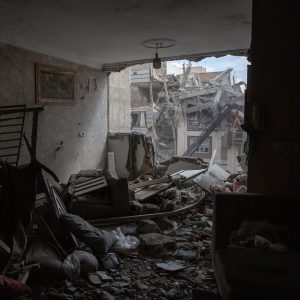
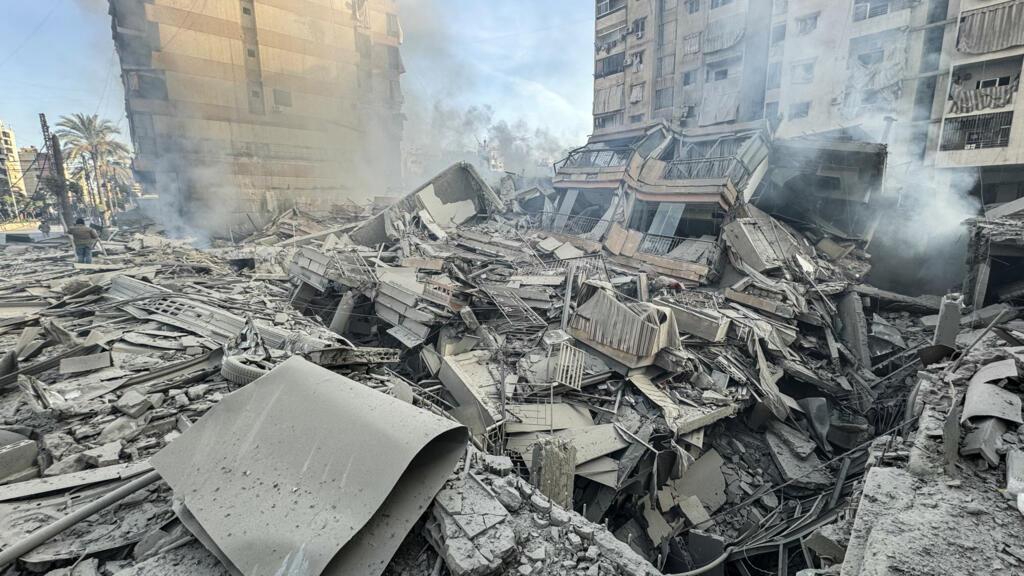
The plight of the displaced has been further exacerbated by the intensification of hostilities, which has resulted in widespread destruction of critical infrastructure, including homes, hospitals, and other essential services. The humanitarian fallout from the conflict has been devastating, with countless civilians caught in the crossfire and forced to flee their homes in search of safety. The UN report paints a grim picture of a population struggling to cope with the trauma of displacement, as families are torn apart and communities are left to pick up the pieces.
Aid groups have been working tirelessly to provide relief to the displaced, but their efforts are being hindered by the sheer scale of the crisis. The shortage of basic necessities such as food, water, and shelter has become acute, with many families forced to endure unsanitary and hazardous living conditions. The risk of disease outbreaks and other health crises is high, as the displaced population is increasingly vulnerable to exploitation and abuse. The psychological trauma inflicted on civilians, particularly children, is also a pressing concern, as the prolonged exposure to violence and displacement takes its toll on their mental health and well-being.
The international community has been urged to take immediate action to address the crisis, with aid groups calling for a cessation of hostilities and the establishment of a comprehensive humanitarian response. The UN report emphasizes the need for a coordinated effort to provide emergency assistance to the displaced, including the provision of food, shelter, and medical care. Furthermore, the report underscores the importance of addressing the root causes of the conflict, including the need for a lasting and negotiated peace settlement that addresses the concerns of all parties involved.
As the situation in Lebanon continues to deteriorate, the world is witnessing a humanitarian disaster of epic proportions. The displacement of hundreds of thousands of civilians has created a crisis that threatens to destabilize the entire region, with far-reaching consequences for global security and stability. The international community must take immediate and decisive action to address the crisis, providing emergency humanitarian assistance to those in need and working towards a lasting and peaceful resolution to the conflict. The fate of Lebanon and its people hangs in the balance, and the world must respond with urgency and compassion to prevent a catastrophe of unimaginable proportions. The time for action is now, and the world must come together to alleviate the suffering of the displaced and to restore peace and stability to a region torn apart by conflict.
This article may be prepared with the assistance of artificial intelligence (AI) and is reviewed before publication. While we aim for accuracy and timeliness, readers should verify important facts from official or primary sources. If you believe any information is inaccurate or that any content infringes your rights, please contact ainewsbreaking.com for review and appropriate action.