Lebanon’s Eid al-Fitr Celebrations Marred by Ongoing Conflict and Humanitarian Crisis
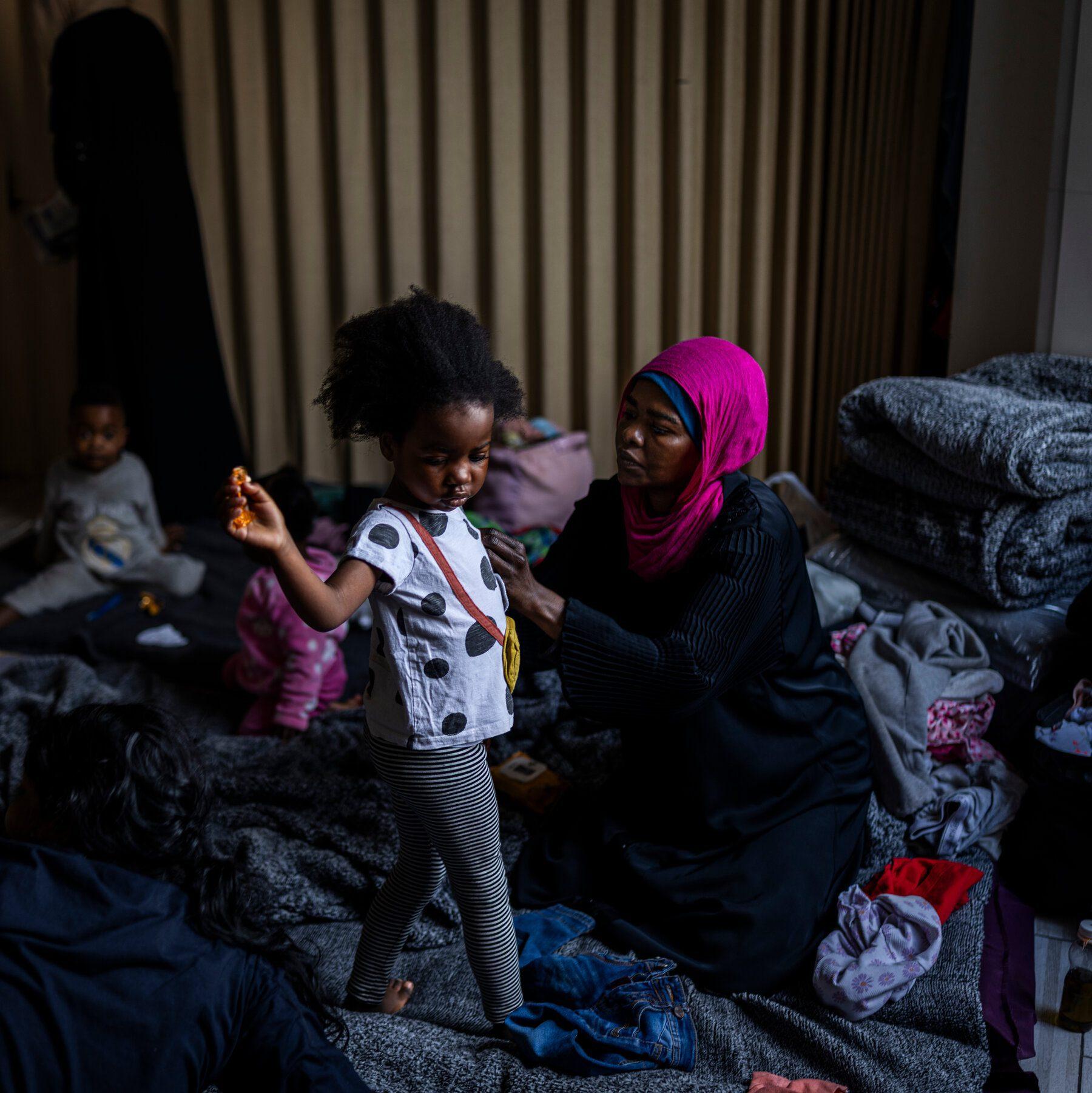
The usually joyful occasion of Eid al-Fitr, which marks the end of the Islamic holy month of Ramadan, has been subdued in war-torn Lebanon. Families who have been displaced by Israeli airstrikes are struggling to find cause for celebration, as they face uncertainty and hardship in their daily lives. The conflict has left many Lebanese citizens without access to basic necessities, and the festive atmosphere that typically accompanies Eid has been noticeably absent.
The situation on the ground is dire, with many families forced to flee their homes and seek shelter in safer areas. The sound of airstrikes and gunfire has become a constant reminder of the ongoing conflict, making it difficult for people to feel safe and secure. As a result, the traditional Eid celebrations, which normally include family gatherings, feasting, and gift-giving, have been significantly scaled back.
The humanitarian crisis in Lebanon has been exacerbated by the conflict, with many people in need of food, shelter, and medical care. The international community has been called upon to provide aid and support to those affected by the conflict, but so far, the response has been insufficient. As the conflict continues to escalate, the situation for displaced families and other civilians is becoming increasingly desperate.
In recent months, the conflict in Lebanon has shown no signs of abating, with both sides suffering heavy losses. The lack of a clear resolution or ceasefire has left many people feeling hopeless and trapped in a cycle of violence. As the Eid al-Fitr celebrations come to a close, many Lebanese citizens are left to wonder when the conflict will finally subside and they can begin to rebuild their lives.
The impact of the conflict on Lebanon’s infrastructure and economy has also been significant, with many businesses and institutions forced to close or significantly reduce their operations. The country’s already fragile economy has been further weakened, making it even more challenging for people to access basic necessities like food and healthcare. As the situation continues to deteriorate, there are growing concerns about the long-term consequences of the conflict for Lebanon and its people.
Despite the challenging circumstances, many Lebanese citizens are finding ways to cope and come together as a community. Neighbors are supporting one another, and local organizations are working to provide aid and assistance to those in need. However, the need for a lasting solution to the conflict remains, and the international community must continue to pressure all parties involved to work towards a peaceful resolution.
As the world marks the end of Ramadan and the beginning of Eid al-Fitr, the people of Lebanon remain in desperate need of support and assistance. The conflict has left deep scars, and it will take time, effort, and resources to heal and rebuild. For now, the focus must be on providing aid and support to those affected and working towards a lasting peace that will allow the people of Lebanon to live in safety and security.
This article may be prepared with the assistance of artificial intelligence (AI) and is reviewed before publication. While we aim for accuracy and timeliness, readers should verify important facts from official or primary sources. If you believe any information is inaccurate or that any content infringes your rights, please contact ainewsbreaking.com for review and appropriate action.