
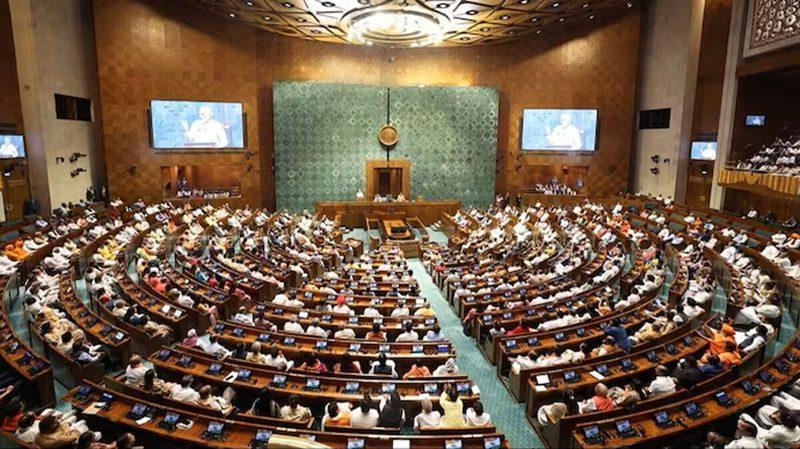
Lok Sabha Approves Finance Bill 2026, Paving Way for Key Tax Reforms
The Lok Sabha has passed the Finance Bill, 2026, which is set to introduce significant changes to the country’s tax landscape. Once the bill comes into effect, it will bring about revisions to income tax rates, as well as adjustments to customs and excise duties. This development is a major milestone in the government’s efforts to reform the tax system and is expected to have far-reaching implications for individuals and businesses alike.
The passage of the Finance Bill, 2026, is a crucial step towards implementing the government’s budget proposals for the current fiscal year. The bill has been thoroughly debated and discussed in the Lok Sabha, with various parties presenting their views and suggestions. The government has taken into account the feedback and concerns raised by the opposition and other stakeholders, and has made necessary adjustments to the bill.
An all-party meeting is scheduled to take place at 5 pm to discuss other pressing issues and legislative business. This meeting will provide a platform for leaders from different parties to come together and engage in constructive dialogue. The meeting is expected to focus on finding common ground and building consensus on key issues, including pending legislation and policy matters.
The Finance Bill, 2026, has been a major focus of attention in recent weeks, with various sections of society watching its progress closely. The bill’s provisions are expected to have a significant impact on the economy, and its passage is seen as a key test of the government’s ability to push through major reforms. As the bill moves forward, it will be closely watched by economists, business leaders, and ordinary citizens.
The government has stated that the reforms introduced by the Finance Bill, 2026, are aimed at simplifying the tax system and promoting economic growth. The changes to income tax rates and customs and excise duties are designed to make the system more efficient and equitable. The government believes that these reforms will help to boost investment, create jobs, and increase economic activity.
The passage of the Finance Bill, 2026, is a significant achievement for the government, and it is expected to have a positive impact on the country’s economic outlook. As the bill becomes law, it will be important to monitor its implementation and assess its effects on the economy and society. The government will need to work closely with various stakeholders to ensure that the reforms are effective and beneficial to all sections of society.
The all-party meeting scheduled for 5 pm will provide an opportunity for leaders to discuss the implications of the Finance Bill, 2026, and other key issues. The meeting is expected to be a constructive and meaningful dialogue, and it will be important to watch for any developments or announcements that may emerge from it. As the parliamentary session progresses, it is likely that there will be further updates and developments on the Finance Bill, 2026, and other important legislative business.
This article may be prepared with the assistance of artificial intelligence (AI) and is reviewed before publication. While we aim for accuracy and timeliness, readers should verify important facts from official or primary sources. If you believe any information is inaccurate or that any content infringes your rights, please contact ainewsbreaking.com for review and appropriate action.