Lok Sabha Rejects Opposition Motion Against Om Birla by Voice Vote, Government Secures Majority Support
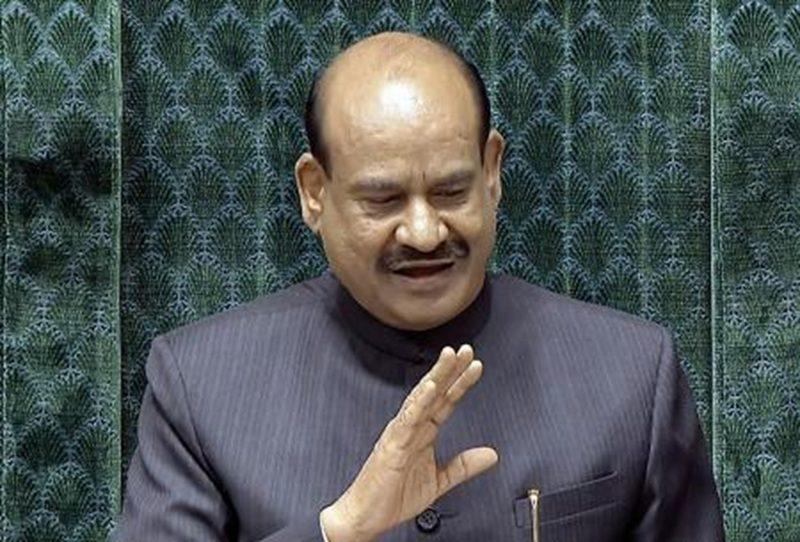
In a significant development in the Indian Parliament, the Lok Sabha on Wednesday rejected a motion brought by the opposition against Speaker Om Birla. The motion, which sought to challenge the functioning and authority of the Speaker, was dismissed through a voice vote, delivering a clear setback to opposition parties. The ruling coalition led by the Bharatiya Janata Party (BJP) rallied behind the Speaker, ensuring the proposal did not gain the required support to move forward.
The decision came after a heated debate inside the Lok Sabha, the lower house of the Parliament of India, where opposition members accused the Speaker of partial conduct in handling parliamentary proceedings. However, the government and its allies dismissed the allegations as politically motivated and argued that the Speaker had conducted his duties within the framework of parliamentary rules.
The rejection of the motion has once again highlighted the deepening political divide between the ruling alliance and the opposition bloc, particularly ahead of key legislative sessions and upcoming electoral contests in several states.
What Triggered the Motion Against the Speaker
The opposition parties had submitted a motion against Speaker Om Birla, alleging that he had not allowed adequate discussion on several sensitive issues raised by opposition MPs. They claimed that repeated adjournments, limited debate time, and selective permission for speaking in the House had weakened democratic deliberation.
Members from the opposition bloc, including representatives from the Indian National Congress and other regional parties, argued that the Speaker must remain strictly neutral while presiding over the House. According to them, certain recent decisions had raised concerns regarding fairness in parliamentary conduct.
The motion was introduced with the intention of forcing a discussion on the Speaker’s conduct and potentially pushing for corrective steps. However, the ruling coalition strongly opposed the move from the outset.
Government leaders stated that the opposition was attempting to politicize the role of the Speaker and disrupt parliamentary functioning.
Heated Debate Inside the Lok Sabha
The debate over the motion led to intense exchanges between members of the ruling alliance and the opposition benches. Opposition leaders argued that parliamentary democracy depends on impartial moderation of debates and equal opportunities for all elected representatives to raise public concerns.
They cited instances where they believed debates on crucial issues such as economic policy, inflation, and national security had been curtailed or delayed.
However, treasury bench members countered these claims by saying that the Speaker had repeatedly urged all parties to maintain decorum and allow the House to function smoothly. They accused opposition MPs of frequently disrupting proceedings with protests and slogans, which often forced adjournments.
Several government MPs also pointed out that parliamentary rules grant the Speaker the authority to regulate debates, allocate time for discussions, and maintain order in the House.
Voice Vote Decides the Outcome
After the debate concluded, the motion against Om Birla was put to a vote in the Lok Sabha. Instead of a formal division of votes, the decision was taken through a voice vote, a common parliamentary practice where members verbally express their support or opposition.
The Speaker announced that the majority of members had opposed the motion, and therefore it stood rejected.
The ruling alliance benches welcomed the outcome with desk-thumping, while opposition members expressed disappointment and accused the government of using its numerical strength to block the motion.
Despite their objections, the Speaker confirmed that the motion had failed and that the House would proceed with the scheduled legislative agenda.
Government’s Reaction
Leaders from the ruling BJP and allied parties described the rejection of the motion as a victory for parliamentary stability. They argued that the opposition had attempted to create unnecessary controversy around the Speaker’s role.
Government spokespersons said that the Speaker had consistently encouraged constructive debate and had only intervened when House proceedings were disrupted.
According to them, the opposition’s move was part of a broader strategy to gain political mileage and portray the government as suppressing dissent.
They also emphasized that the Speaker’s decisions are guided by the established rules of procedure of the Lok Sabha and are intended to ensure smooth functioning of the House.
Opposition Expresses Disappointment
Opposition leaders, however, expressed strong disappointment after the motion was rejected. They claimed that the government’s majority had prevented a meaningful discussion on their concerns.
Some opposition MPs stated that the voice vote did not accurately reflect the level of dissatisfaction among opposition parties.
They argued that parliamentary democracy requires transparency and fairness in decision-making, particularly when it comes to the conduct of the presiding officer.
Despite the setback, opposition leaders indicated that they would continue to raise issues related to parliamentary procedures and demand greater accountability in the functioning of the House.
Role and Powers of the Lok Sabha Speaker
The Speaker of the Lok Sabha holds a crucial position in India’s parliamentary democracy. The office is responsible for maintaining order in the House, ensuring debates follow established rules, and protecting the rights of all members.
Once elected, the Speaker is expected to rise above party politics and act in a neutral and impartial manner.
The Speaker also decides which motions and questions can be admitted, allocates speaking time during debates, and has the authority to suspend members for disorderly conduct.
Because of these wide-ranging powers, disputes over the Speaker’s decisions occasionally become politically sensitive, particularly when tensions between the government and opposition are high.
Political Context Behind the Clash
The motion against Om Birla comes at a time when relations between the government and opposition have been strained over several policy issues and legislative proposals.
Recent parliamentary sessions have witnessed frequent disruptions, protests, and walkouts by opposition MPs demanding debates on various national and international issues.
The government, on the other hand, has accused the opposition of deliberately stalling parliamentary work to create political confrontation.
These clashes reflect the broader polarization in Indian politics, where parliamentary debates often mirror the intense competition between political parties outside the House as well.
Implications for Future Parliamentary Sessions
Although the motion has been rejected, the controversy surrounding it is likely to influence the tone of future parliamentary sessions.
Opposition parties may continue to raise procedural concerns and push for more extensive debates on government policies.
Meanwhile, the ruling alliance is expected to maintain its stance that disruptions and protests are the main obstacles to smooth functioning of Parliament.
Political observers say that such confrontations are not uncommon in parliamentary democracies, but the key challenge lies in ensuring that legislative work continues while allowing space for meaningful debate.
This article may be prepared with the assistance of artificial intelligence (AI) and is reviewed before publication. While we aim for accuracy and timeliness, readers should verify important facts from official or primary sources. If you believe any information is inaccurate or that any content infringes your rights, please contact ainewsbreaking.com for review and appropriate action.