
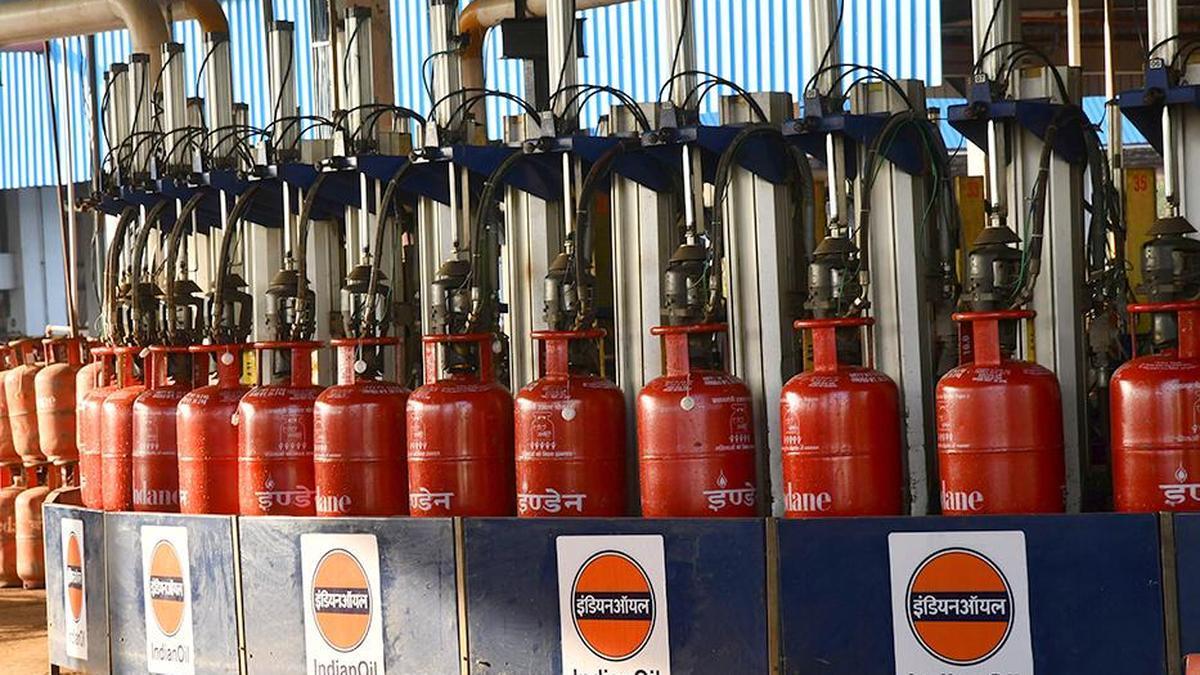
LPG Crisis : Government Activates Alternate Fuel Options as Hardeep Singh Puri Assures Steps to Stabilise Gas Supply
India Faces LPG Supply Pressure Amid Global Energy Turmoil
India is grappling with growing concerns over the availability of cooking gas as disruptions in global energy supply chains and rising geopolitical tensions continue to affect the Liquefied Petroleum Gas (LPG) market. In response to mounting pressure on domestic supplies, Union Petroleum and Natural Gas Minister Hardeep Singh Puri said the government has started activating alternate fuel options to ensure that households and industries do not face major shortages.
The minister assured that multiple contingency plans are being deployed to stabilise supplies and prevent panic in the market. His remarks came as the country monitors the impact of the ongoing Iran–Israel conflict 2026, which has disrupted shipping routes and pushed energy prices higher across the world.
According to the government, India remains well prepared to manage the crisis, but authorities are keeping emergency measures ready to ensure uninterrupted energy supply.
Government Activates Alternate Fuel Sources
Addressing concerns during the ongoing energy crisis, Hardeep Singh Puri stated that the government has begun diversifying fuel usage in sectors that traditionally rely heavily on LPG.
Industries that consume large quantities of LPG are being encouraged to temporarily shift to alternative fuels such as naphtha, fuel oil, and other available energy sources. This strategy is aimed at reducing pressure on LPG stocks so that priority supply can be maintained for domestic households.
The minister emphasised that ensuring cooking gas availability for ordinary citizens remains the government’s top priority.
Officials said the shift toward alternative fuels will be temporary and will continue only until global supply chains stabilise.
Impact of Global Conflict on LPG Supply
The current LPG pressure is largely linked to escalating geopolitical tensions in the Middle East, especially near the Strait of Hormuz.
This narrow waterway is one of the most critical energy routes in the world. Nearly one-fifth of global oil and gas shipments pass through the strait every day.
Recent military tensions and attacks on commercial vessels have created fears of shipping disruptions, leading to rising costs and delays in global fuel supply.
For a country like India, which imports a large share of its LPG requirements, such disruptions can have a direct impact on domestic availability and prices.
India’s Dependence on LPG Imports
India is one of the largest consumers of LPG in the world, with millions of households depending on cooking gas cylinders every day.
Government schemes like Pradhan Mantri Ujjwala Yojana have significantly expanded LPG access across rural and urban areas.
While the program has been widely praised for improving clean cooking access, it has also increased the country’s reliance on LPG imports to meet growing demand.
Officials say the government has already taken steps to diversify supply sources and strengthen strategic reserves to handle global market shocks.
Strategic Measures Being Considered
Apart from activating alternate fuels, the government is also monitoring several other measures to ensure energy security.
These include:
- Increasing LPG imports from diversified suppliers
- Optimising distribution through public sector oil companies
- Adjusting supply priorities to protect domestic consumers
- Using strategic energy reserves if necessary
Officials from state-owned companies such as Indian Oil Corporation, Bharat Petroleum, and Hindustan Petroleum are closely coordinating with the government to ensure smooth distribution across the country.
The oil ministry has also intensified monitoring of supply chains and shipping routes.
Assurance to Consumers
Hardeep Singh Puri sought to reassure citizens that the government has sufficient LPG stocks to meet immediate demand.
He said that authorities are working proactively to prevent any situation that could lead to panic buying or shortages.
The government is also monitoring price movements to ensure that consumers are protected from extreme volatility in global energy markets.
Officials emphasised that LPG distribution networks across India remain operational and that there is no immediate shortage in retail supply.
Industry Adjustments to Manage Demand
Industries that use LPG for manufacturing, petrochemicals, and heating purposes are expected to play a key role in managing the crisis.
The government has urged companies to cooperate with temporary adjustments in fuel usage so that domestic demand can be prioritised.
Energy experts say such measures are common during periods of global supply disruption and can help stabilise markets until normal shipping routes and trade flows resume.
Global Energy Markets Under Pressure
The LPG situation is part of a wider global energy crisis triggered by the ongoing geopolitical tensions in the Middle East.
Oil and gas prices have surged amid fears of disruptions in major shipping lanes and energy infrastructure.
Several countries are considering emergency measures, including releasing strategic reserves and diversifying fuel supplies.
International energy agencies have warned that the conflict could lead to one of the most significant energy shocks in recent decades if tensions continue to escalate.
What Experts Say
Energy analysts say India’s de
This article may be prepared with the assistance of artificial intelligence (AI) and is reviewed before publication. While we aim for accuracy and timeliness, readers should verify important facts from official or primary sources. If you believe any information is inaccurate or that any content infringes your rights, please contact ainewsbreaking.com for review and appropriate action.