Massive Explosion Hits Tehran During Quds Day Rally as Israel Warns of Strikes
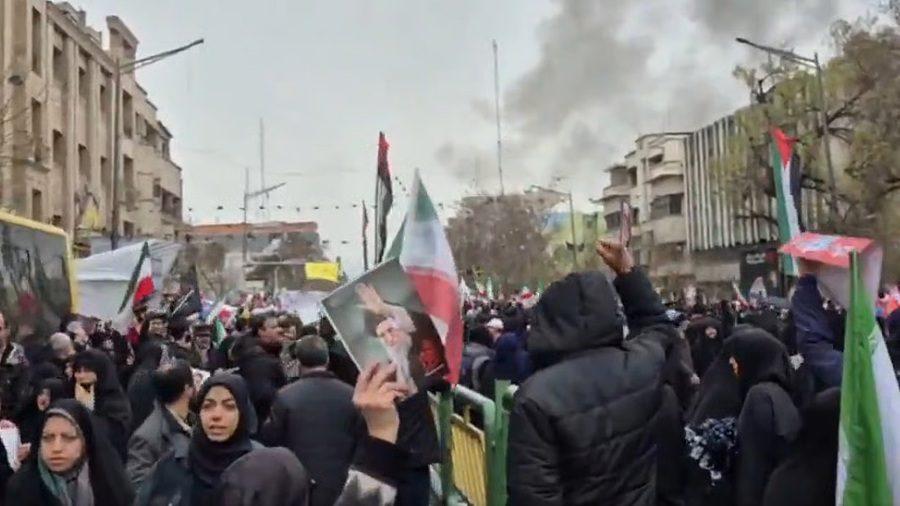
Large explosions rocked Iran’s capital Tehran on Friday during massive Quds Day demonstrations, dramatically escalating tensions in the ongoing Iran–Israel conflict. The blasts occurred as thousands of pro-government protesters gathered in the city to mark the annual event supporting the Palestinian cause.
The explosions came shortly after Israel issued warnings of potential strikes, fueling fears that the already intense conflict between Iran, Israel, and allied forces could expand further across the Middle East.
Massive Blast Reported Near Protest Site
According to Iranian state media, one of the explosions occurred in Ferdowsi Square, a central location in Tehran where large crowds had gathered for Quds Day rallies. The powerful blast shook nearby buildings and caused panic among demonstrators.
Witnesses reported hearing loud detonations across multiple parts of the capital. Some residents said windows rattled and car alarms were triggered by the shockwaves.
Initial reports indicated that the explosion struck close to areas where demonstrators had assembled, although authorities did not immediately confirm the number of casualties or the exact cause.
What Is Quds Day?
Quds Day is an annual event observed on the last Friday of Ramadan. It was first introduced after the 1979 Iranian Revolution and is marked by mass rallies in Iran and other countries supporting Palestinians and opposing Israel.
The demonstrations in Tehran typically attract large crowds carrying pro-Palestinian banners and chanting anti-Israel slogans. The day often becomes a focal point for regional political tensions, especially during periods of conflict in the Middle East.
This year’s Quds Day protests took place amid one of the most dangerous escalations in the region in years.
Israel Warning Before the Explosions
The blasts followed warnings from Israel about possible military operations targeting Iranian military infrastructure.
Officials in Israel had previously indicated that they were prepared to strike key Iranian facilities as part of ongoing military operations against Tehran. The warnings raised concerns that Tehran could become a direct battlefield in the widening conflict.
Reports suggest the explosions may be linked to Israeli strikes, although neither side immediately confirmed responsibility.
War Between Iran, Israel, and the United States Intensifies
The explosions occurred during the third week of a major regional conflict involving Iran, Israel, and the United States.
The war began after a series of coordinated strikes on Iranian military and nuclear facilities. Iran responded with missile and drone attacks targeting Israel and U.S.-allied states across the region.
Recent developments in the conflict include:
- Missile attacks on Israel’s northern regions
- Drone strikes targeting Gulf states
- Attacks on oil shipping routes in the Persian Gulf
- Military strikes on Iranian infrastructure
The expanding hostilities have raised fears of a broader regional war involving multiple countries.
Heavy Casualties Reported Across the Region
The conflict has already caused significant humanitarian and military losses.
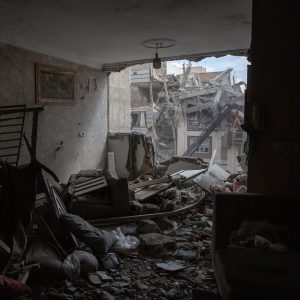
Reports indicate that more than 1,300 people have been killed in Iran, while hundreds have died in Lebanon and dozens in Israel since the fighting escalated. Millions have been displaced as cities and infrastructure face repeated attacks.
Hospitals, power stations, and transportation infrastructure have also been damaged in multiple strikes across the region.
Tehran Under Increasing Military Pressure
Tehran has become an increasingly frequent target in the conflict.
Military strikes in recent weeks have reportedly targeted:
- Command centers of the Islamic Revolutionary Guard Corps
- Missile launch facilities
- Military headquarters
- Strategic infrastructure sites
The attacks mark a significant shift, as previous confrontations between Israel and Iran largely occurred through proxy forces in countries such as Syria and Lebanon.
Now, the conflict is increasingly taking place directly inside Iran.
Global Concerns About Wider War
The explosions during Quds Day demonstrations have heightened international concern that the conflict could spiral into a wider regional war.
Several countries have already taken precautionary steps:
- Evacuating citizens from conflict zones
- Increasing military deployments in the region
- Warning commercial ships traveling through the Persian Gulf
Meanwhile, global energy markets remain on edge due to threats against oil shipping routes and infrastructure.
Oil Markets React to Escalating Conflict
The conflict has already caused sharp fluctuations in global energy markets.
Oil prices have surged above $120 per barrel amid fears that Iran could disrupt shipping through the Strait of Hormuz, one of the world’s most important oil transit routes.
Any prolonged disruption in the region could trigger a major global energy crisis.
Uncertainty Over What Caused the Blast
Despite widespread speculation, officials have not yet confirmed the exact cause of the explosions in Tehran.
Possible explanations include:
- Israeli airstrikes targeting strategic sites
- Missile or drone attacks
- Internal explosions at military facilities
- Sabotage or covert operations
Authorities in Iran have launched investigations while security forces increased their presence across the capital.
Rising Tensions on a Symbolic Day
The timing of the explosions—during Quds Day demonstrations—has added significant symbolic weight to the incident.
The event is traditionally used by Iran to demonstrate support for Palestinians and opposition to Israel. An attack during such a rally is likely to further inflame public anger and intensify the conflict.
Crowds in Tehran reportedly continued demonstrations despite the explosions, chanting slogans against Israel and the United States.
This article may be prepared with the assistance of artificial intelligence (AI) and is reviewed before publication. While we aim for accuracy and timeliness, readers should verify important facts from official or primary sources. If you believe any information is inaccurate or that any content infringes your rights, please contact ainewsbreaking.com for review and appropriate action.