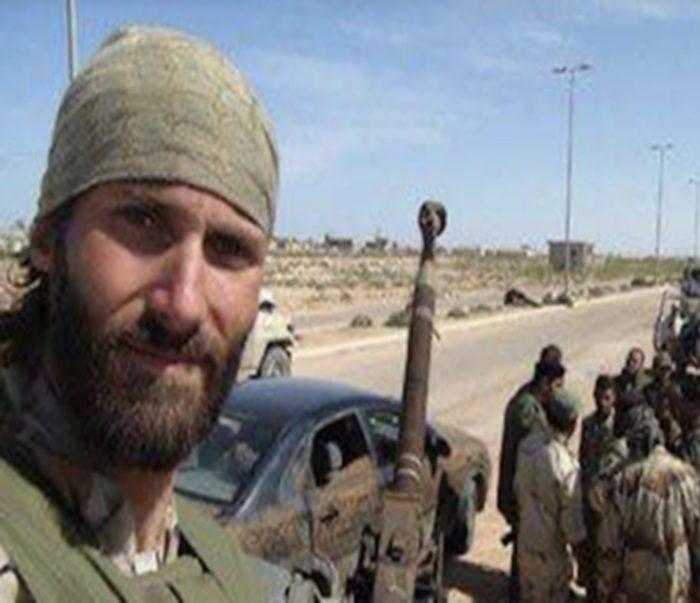
Matthew VanDyke Arrested in India: What Investigators Have Revealed About the US Mercenary Case
The arrest of American national Matthew VanDyke in India has triggered a major security and geopolitical story, with fresh details suggesting investigators are looking far beyond a routine detention. Indian agencies say the case involves alleged cross-border militant links, drone warfare training, illegal travel routes, and possible connections to armed groups operating near India’s sensitive northeast frontier.
According to recent reports, VanDyke was arrested along with six Ukrainian nationals as part of a National Investigation Agency probe. The allegations center on suspected training activity in Myanmar, especially involving drone operations and contact with armed ethnic groups that investigators believe may have links to insurgent organizations affecting India’s northeast. Authorities have invoked anti-terror provisions, and the accused were sent to custody as the probe widened.
What has made the case especially explosive is VanDyke’s public profile. He has long been described in media reports as a war-zone figure, documentary filmmaker, activist, and security-linked operator whose name surfaced previously in conflicts including Libya and other international theatres. That background has made his arrest in India far more than an ordinary criminal case, with investigators and commentators now examining whether he was acting as an ideologue, trainer, contractor, or something more complex.
One of the biggest details to emerge is the alleged drone warfare angle. Reports say Indian investigators suspect the foreign nationals were involved in training individuals connected to Myanmar-based armed formations, with drone handling and possible weapons-related instruction forming a key part of the case. This has elevated the matter from a border-security concern to a potentially serious national-security investigation, especially because drone capability can alter the operational reach of militant or insurgent networks.
The geography of the case is also crucial. Multiple reports say the accused entered or moved through India, including Mizoram and other northeastern locations, before allegedly crossing into Myanmar without proper authorization. This border belt is strategically sensitive due to longstanding insurgent activity, porous terrain, refugee movement, and the instability generated by Myanmar’s prolonged internal conflict. Investigators appear to be examining whether India was used as a logistical corridor, transit base, or support platform.
NDTV reported that authorities are exploring broader theories around destabilization, including whether the activity formed part of a deeper conspiracy against India. That report says VanDyke was among seven foreigners arrested in connection with an alleged anti-India plot, and that investigators are studying possible international dimensions, including logistics and training linkages. Those claims are still allegations at this stage, but they show the seriousness with which Indian agencies are treating the matter.
Another important development is the diplomatic angle. Reports indicate that both the United States and Ukraine have responded after the arrests became public. The fact that one accused is American and six are Ukrainian immediately gives the story international implications, especially because the charges are tied to India’s anti-terror framework rather than simple immigration or visa violations. That means the case may not remain confined to domestic headlines for long.
Media coverage has also highlighted the unusual mix of identities involved in the case. Some reports describe the group as mercenaries, others as foreign veterans, drone trainers, or security operatives. The exact legal characterization will matter greatly as the case proceeds. For now, the core point is that Indian investigators are alleging organized activity involving foreign nationals, technical training, border movement, and armed-group contact.
The VanDyke case has attracted outsized attention because his biography does not fit the profile of an anonymous traveler caught in a border violation. He has been publicly associated with conflict reporting and combat-linked narratives before, which is why his arrest has revived scrutiny of his past activities and affiliations. Several reports note that his name became internationally known during the Libyan civil war, and that he later remained visible in discussions around conflict zones and private security-style activity.
At this point, many of the most dramatic claims remain allegations from investigators or reporting based on the early stages of the case. What is confirmed from current coverage is that Matthew VanDyke has been arrested in India, that he is part of an NIA-linked investigation involving six Ukrainians, and that the probe concerns alleged terror-related training and cross-border activity connected to Myanmar. The larger claims about motive, espionage, destabilization, or broader geopolitical plots will need to be tested as the legal process moves forward.
This article may be prepared with the assistance of artificial intelligence (AI) and is reviewed before publication. While we aim for accuracy and timeliness, readers should verify important facts from official or primary sources. If you believe any information is inaccurate or that any content infringes your rights, please contact ainewsbreaking.com for review and appropriate action.