
Medical Disputes Escalate: BMA Announces Ballot of Senior Doctors in England Over Strikes
The British Medical Association (BMA) has announced plans to ballot senior doctors in England over the possibility of strikes, marking the latest development in the ongoing pay dispute between the medical sector and the government. The ballot, set to run from 11 May to 6 July, will encompass consultants and specialist, associate specialist, and speciality (SAS) doctors working in England.
The decision follows a statement from the BMA, citing ‘far too little progress’ in discussions with the government regarding pay and career development. This assertion underscores the depth of discontent among senior medical professionals, who feel their concerns have been inadequately addressed. The union’s leadership has made it clear that further action is being considered to bring attention to these persistent issues.
The escalating dispute stems from a complex interplay of factors, including pay, working conditions, and the prospects of career advancement. The BMA has long advocated for greater recognition of the medical profession’s dedication and hard work, with many arguing that their efforts warrant fairer compensation and better working conditions.
Government negotiations with the BMA have yielded minimal results to date, fuelling the growing sense of frustration within the medical community. Consultants and specialist doctors, in particular, have cited a lack of progress in discussions concerning their pay and career development, prompting the BMA to take a firmer stance in its dealings with the government.
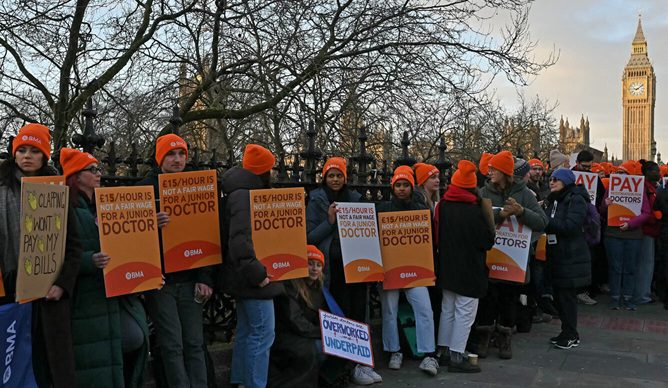
As the dispute enters a critical phase, the potential for industrial action has intensified. The BMA’s announcement follows a series of previous strikes and work stoppages by junior doctors, demonstrating the determination of medical professionals to address the unresolved issues affecting their working lives.
Meanwhile, the timing of the ballot highlights the increasing tension between the medical sector and the government. The ballot period, spanning several weeks, will undoubtedly put additional pressure on negotiations. While both parties will be keen to avoid further disruption, the underlying issues remain unaddressed, leaving open the possibility of prolonged industrial action.
The outcome of the ballot is expected to have far-reaching implications for the medical profession, patient care, and the broader healthcare system in England.
This article may be prepared with the assistance of artificial intelligence (AI) and is reviewed before publication. While we aim for accuracy and timeliness, readers should verify important facts from official or primary sources. If you believe any information is inaccurate or that any content infringes your rights, please contact ainewsbreaking.com for review and appropriate action.