
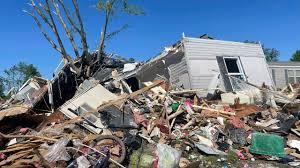
Michigan Storms Knock Out Power for Over 100,000 Customers, Restoration Efforts Underway
Severe storms sweeping across the U.S. Midwest have left around 2.5% of Michigan’s electricity customers without power, highlighting the widespread impact of strong winds, heavy snow, and ice across the region. Authorities and utility companies are working to restore electricity as thousands of residents remain affected.
According to outage tracking data, roughly 125,000 homes and businesses in Michigan lost power, out of the state’s approximately 5.1 million electricity customers. The outages represent one of the largest storm-related disruptions in the region during the latest weather event.
✅ Summary:
- Severe storms left around 2.5% of Michigan electricity customers without power.
- Approximately 125,000 homes and businesses were affected statewide.
- Consumers Energy and other utilities deployed hundreds of repair crews.
- Northern Michigan experienced some of the worst outages due to ice and wind damage.
- Restoration efforts are ongoing as authorities warn of continued hazardous weather conditions.
Storm System Leaves Thousands Without Electricity
The outages were triggered by a powerful storm system that moved through parts of the Midwest and the Mid-Atlantic, bringing high winds, snow, and ice accumulation that damaged power lines and infrastructure. Across the broader region, more than 500,000 homes and businesses lost power as the weather system intensified.
Michigan was among the hardest-hit states, where downed trees and broken power lines caused extensive outages in several counties. Northern Michigan experienced particularly severe conditions, including freezing rain and gusty winds that complicated restoration work.
Meteorologists described the system as part of an unusual March weather pattern, with strong winds and rapid temperature shifts affecting large areas of the United States.
Northern Michigan Among the Worst Affected
Many of the largest outages were reported in northern counties, where ice accumulation weighed down power lines and trees.
- Roscommon County experienced some of the highest outage levels, with a large portion of residents without electricity.
- Alpena County reported thousands of customers affected as heavy ice and wind damaged infrastructure.
- Areas above the US-10 corridor saw some of the worst storm damage.
In certain communities, the outages affected a significant percentage of the population, forcing residents to rely on generators or seek shelter as temperatures remained cold.
Major Utility Companies Hit by Outages
Several major utility providers in Michigan reported large numbers of outages during the storm.
- Consumers Energy reported nearly 90,000 customers without power at the peak of the disruption.
- Alpena Power Company and other smaller utilities also experienced thousands of outages.
Consumers Energy deployed hundreds of repair crews across the state to inspect damaged lines and restore electricity. Workers were assigned 16-hour shifts in many areas to speed up the recovery process.
Utility officials said crews had been pre-positioned before the storm in anticipation of severe weather, allowing faster response times once outages began.
Restoration Efforts Underway
Repair teams are currently working in challenging conditions to restore electricity to affected areas. The restoration process involves several steps:
- Assessing damage to transmission lines and substations
- Removing fallen trees and debris from power lines
- Repairing or replacing damaged poles and wires
- Gradually restoring electricity to local grids
Officials emphasized that safety remains the top priority, particularly when dealing with downed power lines and icy roads.
Residents have been advised to stay at least 20 feet away from fallen power lines and report outages through utility company apps or emergency numbers.
Dangerous Weather Conditions Continue
Even as restoration efforts continue, forecasters warn that dangerous weather conditions could persist in some areas.
Strong wind gusts—sometimes reaching 45 mph or more—combined with heavy snow have created hazardous travel conditions. Schools, businesses, and local services in several counties have temporarily closed due to the storm’s impact.
Emergency management officials are encouraging residents to:
- Avoid unnecessary travel
- Monitor weather alerts and local announcements
- Prepare emergency supplies such as flashlights, food, and water
Wider Impact Across the United States
The Michigan outages are part of a broader weather event affecting multiple U.S. regions.
The same storm system has caused:
- Major power outages across several states
- Wind damage to buildings and infrastructure
- Wildfires in some areas due to strong winds
- Travel disruptions and flight delays
Overall, hundreds of thousands of customers across the Midwest, Mid-Atlantic, and southern regions experienced electricity disruptions during the storm.
Communities Respond to the Crisis
Local governments and emergency services across Michigan have mobilized to assist residents affected by the outages. Some communities have opened warming centers and emergency shelters for residents who lost heating during the storm.
Local officials are also coordinating with utility companies to ensure critical infrastructure—such as hospitals, emergency services, and water treatment plants—maintains power or receives priority restoration.
Community organizations and volunteers have also stepped in to provide support to residents dealing with prolonged outages.
Infrastructure Challenges Highlighted
The storm has once again raised concerns about the resilience of the power grid in Michigan.
Experts say aging infrastructure, dense tree cover near power lines, and severe weather events can increase the risk of widespread outages.
State regulators have previously studied power reliability and encouraged utilities to invest in:
- Tree trimming programs
- Stronger power poles and transmission lines
- Smart grid technology
- Underground power lines in vulnerable areas
Utilities say ongoing investments aim to reduce outage frequency and shorten restoration times in the future.
What Residents Should Do During Power Outages
Officials recommend several safety measures for residents experiencing power outages:
- Use generators safely outdoors and away from homes
- Avoid using gas stoves or grills indoors for heat
- Keep refrigerator and freezer doors closed to preserve food
- Check on elderly neighbors and vulnerable residents
People should also charge mobile devices and keep flashlights or battery-powered lights available until electricity is restored.
Outlook: When Power May Be Restored
Utility companies have not given a universal restoration timeline because damage levels vary by region. However, many outages are expected to be restored within hours to several days, depending on the severity of infrastructure damage.
Restoration efforts typically prioritize:
- Hospitals and emergency services
- Major transmission lines affecting large populations
- Neighborhood distribution lines
As repair work continues, officials expect the number of outages to gradually decline.
This article may be prepared with the assistance of artificial intelligence (AI) and is reviewed before publication. While we aim for accuracy and timeliness, readers should verify important facts from official or primary sources. If you believe any information is inaccurate or that any content infringes your rights, please contact ainewsbreaking.com for review and appropriate action.