Middle East Conflict Sparks Tourism Shift to Europe, Bringing Opportunities and Overtourism Concerns
The worsening crisis in the Middle East is emerging as a major shock to global travel, with Europe now expected to absorb a significant share of displaced tourism demand. According to a new Euronews report published on March 20, 2026, the conflict is cutting deep into tourism flows across the Gulf and wider Middle East, prompting many travellers to look toward Europe as a safer alternative.
The scale of the disruption is substantial. The World Travel & Tourism Council estimates that every day of war with Iran prevents international tourists from spending around €550 million in the Middle East. Because the region accounts for about 5% of global international arrivals and 14% of international transit traffic, the fallout is not limited to local tourism economies alone. It is also reshaping global travel patterns, with Europe seen as one of the most likely beneficiaries.
This shift is taking place against a backdrop of severe aviation disruption. Reuters reported that the ongoing conflict has already driven jet fuel prices sharply higher, forced rerouting of flights, and raised the prospect of fare increases across Europe. Airline executives have warned that with Gulf airspace closures and longer flight paths, ticket prices are likely to rise, even as passenger demand remains strong.
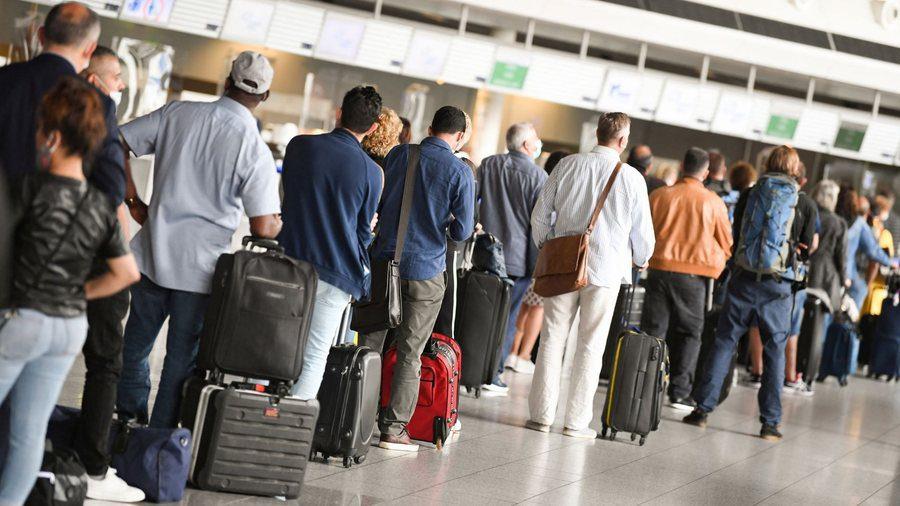
The crisis has also exposed how dependent international travel is on major Middle Eastern hubs such as Dubai. Recent attacks and airspace restrictions have interrupted airport operations, delayed thousands of passengers, and triggered widespread cancellations. Travel Weekly reported earlier this month that at least 11,000 flights into, out of, and within the Middle East had been cancelled, affecting more than 1 million passengers.
For Europe, the trend creates both opportunity and pressure. A diversion of travellers from the Middle East could support airlines, hotels, restaurants, and tourism-dependent economies across southern and western Europe during a critical holiday period. Popular destinations such as Spain, Italy, Greece, France, and Portugal may see stronger-than-expected bookings as tourists opt for perceived safety and easier connectivity. This is especially relevant at a time when European carriers are already adjusting capacity and looking to capture redirected leisure demand.
But the upside comes with clear risks. Several European destinations are already struggling with overtourism, local housing pressures, and strain on public infrastructure. Greece, for example, has already debated cruise restrictions for heavily visited islands like Santorini and Mykonos because of overcrowding concerns. A sudden wave of additional visitors could intensify those pressures, especially in coastal and island destinations that are already operating near capacity in peak season.
The broader tourism industry is now balancing two competing realities. On one hand, Europe could gain millions of visitors who might otherwise have travelled through or into the Middle East. On the other, those gains may come with higher costs, pricier airfares, and increased pressure on destinations already wrestling with sustainability challenges. That makes this crisis not just a geopolitical event, but a major test for how flexibly Europe can manage redirected global tourism.
In effect, the Middle East crisis is redrawing the global tourism map in real time. As travellers reassess safety, flight reliability, and value for money, Europe stands to benefit commercially. Yet whether that becomes a long-term boost or a short-term strain will depend on how airlines, governments, and destinations respond in the weeks ahead.
This article may be prepared with the assistance of artificial intelligence (AI) and is reviewed before publication. While we aim for accuracy and timeliness, readers should verify important facts from official or primary sources. If you believe any information is inaccurate or that any content infringes your rights, please contact ainewsbreaking.com for review and appropriate action.